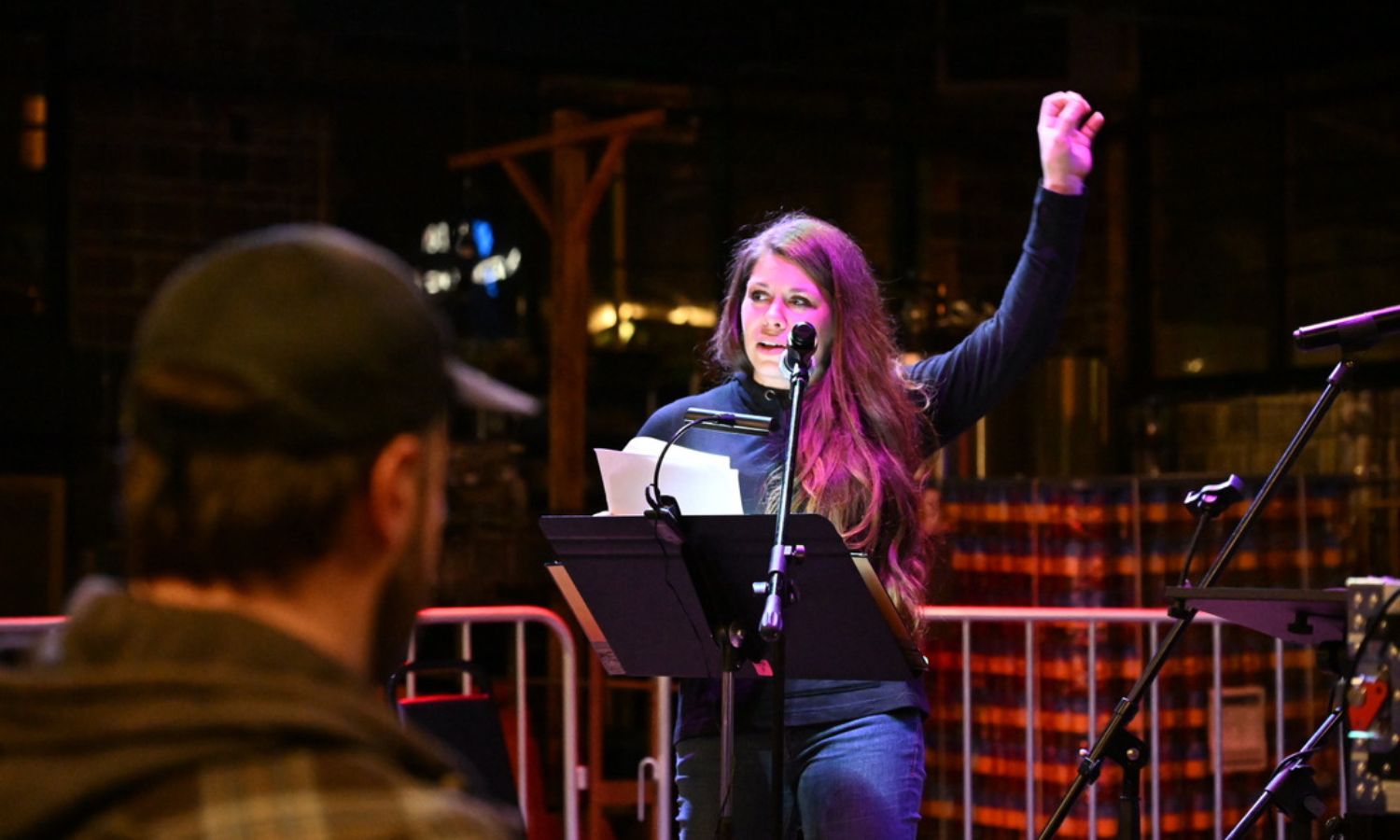
In the fishing town of Astoria, Oregon, the 29th annual FisherPoets Gathering will bring together commercial fishers to share poetry, essays, and songs about life in a changing seafood industry.
Every year, on the last weekend of February, fishers, tourists, and artists gather in the breweries, bars, and playhouses to hear stories about making a living on the water.
Jon Broderick, commercial salmon fisherman and schoolteacher, founded the FisherPoets Gathering nearly 30 years ago. “We never met with the goal of maintaining or continuing culture, but just to continue to enjoy our own,” Broderick tells Food Tank.
The first gathering grew out of Broderick’s desire to reconnect with his fishing friends and celebrate their shared love of the work through poetry. In 1998, 39 poets and their guests squeezed into an Astoria bar called the Wet Dog. Today, the festival fills venues across town and features poetry, workshops, and presentations from environmental advocates, artists, and heritage craftspeople.
Over the years, the workshops have featured speakers from Global Ocean Health, along with habitat restoration leaders and advocates working on issues such as Pebble Mine—a proposed large-scale copper and gold mine in Alaska’s Bristol Bay watershed that has raised concerns about risks to one of the world’s most productive salmon fisheries.
The 2026 lineup continues that tradition, bringing policy, science, and community voices into the heart of the gathering. Participants represent organizations including the North American Marine Alliance, Wild Salmon Center, Oregon Sea Grant, FishHer Columbia Pacific CommUNITY Alliance, and the Columbia River Maritime Museum.
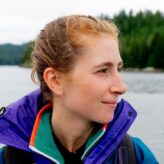
Amanda J. Gladics, Associate Professor of Practice with Oregon Sea Grant’s Fisheries Extension, works closely with the FisherPoets Gathering to help organize its events and create accessible pathways to sustainable fishing programs. For her, poetry and community-driven narratives serve as a gateway to broader conversations, with many poets weaving these issues directly into their work.
“These topics, along with family legacy and transitions, risk and uncertainty, and the impacts of environmental change on fisheries management, become relatable in a different way,” Gladics tells Food Tank. “They’re filtered through individual artistic expression rather than the analytical arguments we might hear in the news or in policy forums.”
That relatability is one of the gathering’s defining strengths, Broderick emphasizes. He makes it clear that participants do not need to be professional poets or writers. “You just have to have lived a life and tell your truth about it,” he says. “It’s got to be authentic.”
The Gathering also aims to challenge common stereotypes about fishing, including the idea that it is a dying industry.
The Alaska Department of Labor reports that seafood harvesting jobs fell for the fifth consecutive year in 2024, bringing the workforce to its lowest level since data collection began in 2001 in one of the West Coast’s major fishing grounds. The National Oceanic and Atmospheric Administration finds US$1.8 billion in wholesale revenue losses from 2022 to 2023 and more than 38,000 fishing and related jobs lost nationwide, with effects reaching Washington, Oregon, California, and beyond.
But Gladics sees a demographic shift emerging in the seafood sector. “We have a younger generation in their 20s, 30s, and 40s who are redefining what it means to be part of this self-selected community,” she says.
The gathering tries to challenge the misconception that modern fishing on North America’s West Coast is dominated by industrial fleets. Many of the poets who share their work at the festival are commercial fishers, but most are owner-operators or work for them. “They’re not answering to a corporate structure,” says Broderick.
Both Broderick and Gladics believe the gathering is a testament to the people and communities navigating this changing landscape, with shifting regulations, environmental pressures, and evolving misconceptions.
“If we can each be open to really hearing another person’s experiences—sometimes vastly different from our own,” Gladics says, “it allows for empathy and connection, and hopefully a window into valuing the bounty of the ocean and the people who bring it to us in a new way.”
Articles like the one you just read are made possible through the generosity of Food Tank members. Can we please count on you to be part of our growing movement? Become a member today by clicking here.
Photo courtesy of Jeff Taylor