
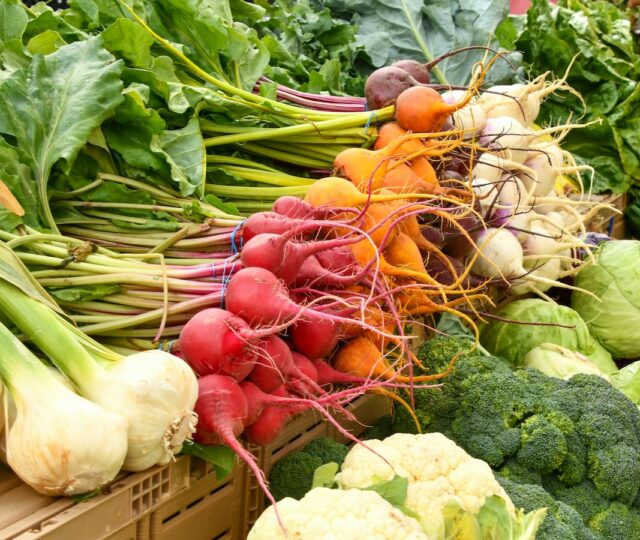

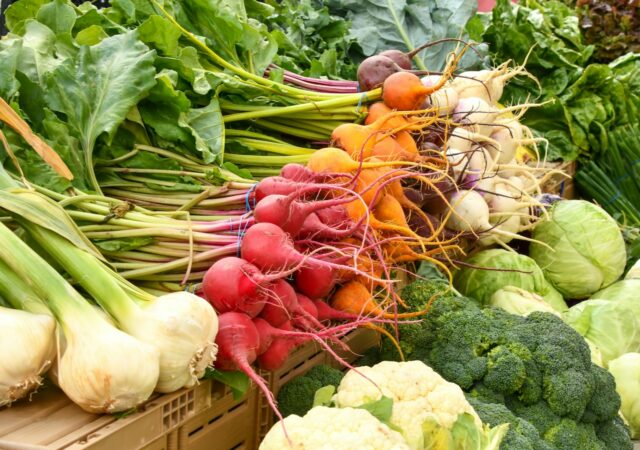
Farmers markets are more than places to buy fresh produce. They can also serve as economic engines and gathering places that strengthen communities.
Sustainable Agriculture
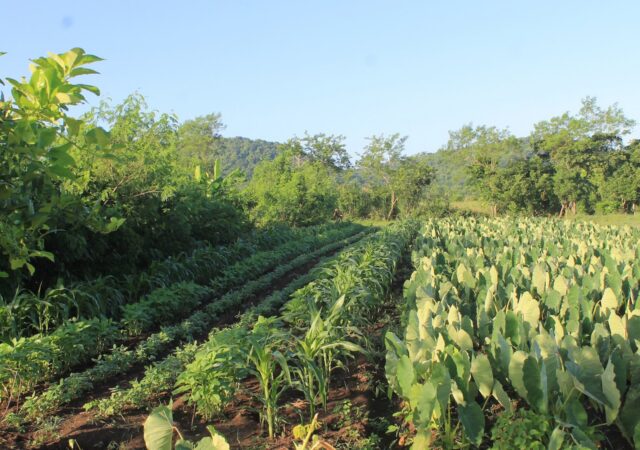
Op-Ed | Blockade Against Cuba Exposes the Fragility of the Global Food System
Cuba is confronting the limits of fossil-fuel-dependent agriculture. But agroecology offers a path to resilience.
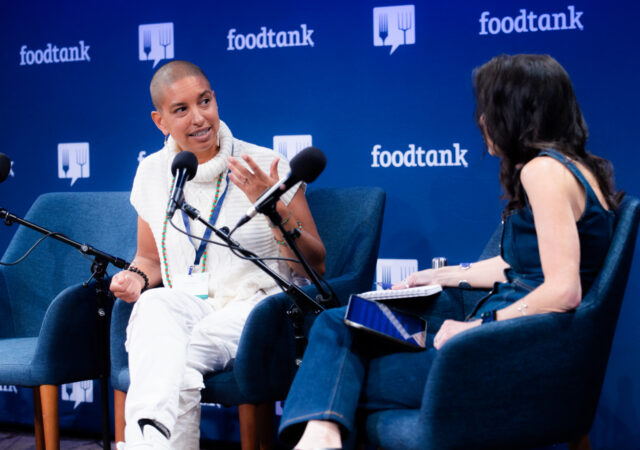
The Roots Of Organic Agriculture—And The Future Of Climate-Smart Food—Are Farmers
The organic movement can chart its collective path forward by continuing to place innovation and inspiration at the center, panelists said at Climate Week NYC.
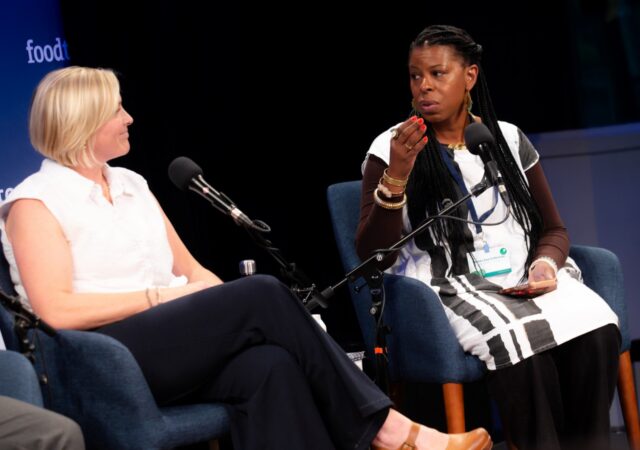
“It’s Just One Long Chain”: How Regenerative Farming Equals Tastier Food, Healthier Eaters, And Nourished Communities
Everything in the food system is inter-related, from agriculture to nutrition to medicine to climate—and farms bind them together, panelists say at Climate Week.

Storytelling As A Catalyst For Change at Climate Week NYC Film Festival
Filmmakers and documentarians are highlighting inspiring people and unsung food systems innovations across the globe.
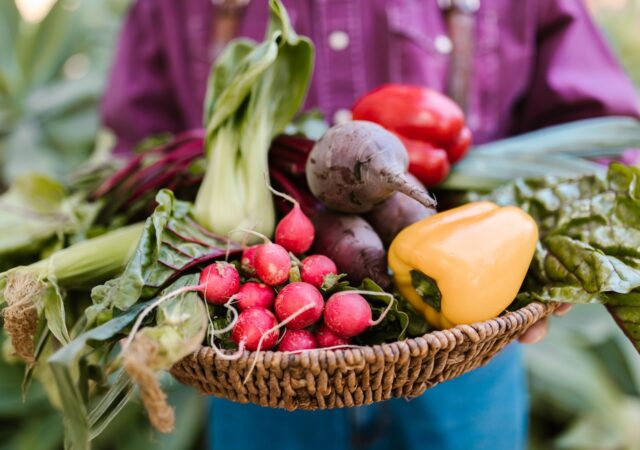
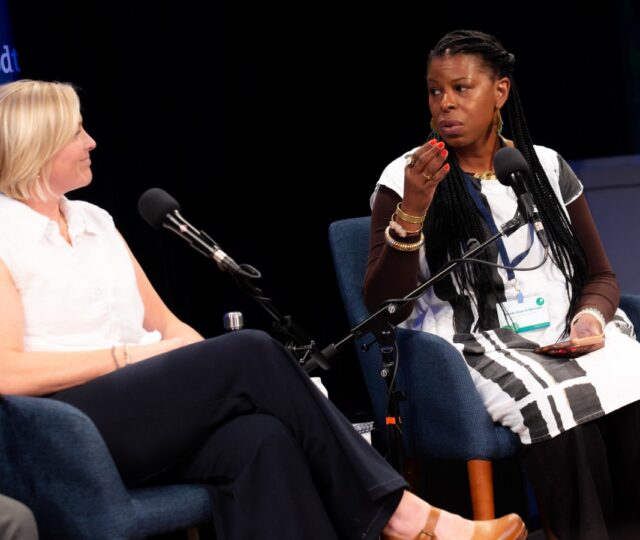
Organic Agriculture Charts Its Future at Climate Week NYC
At Climate Week NYC, farmers and food leaders will explore how organic agriculture can help build a more resilient food system.
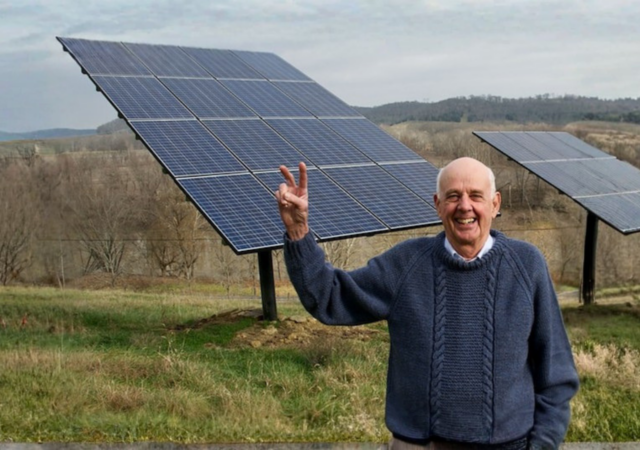
Honoring Wendell Berry
From his home in Kentucky, Berry analyzed the consequences of an agricultural system increasingly defined by consolidation, mechanization, chemicals, and soil degradation.
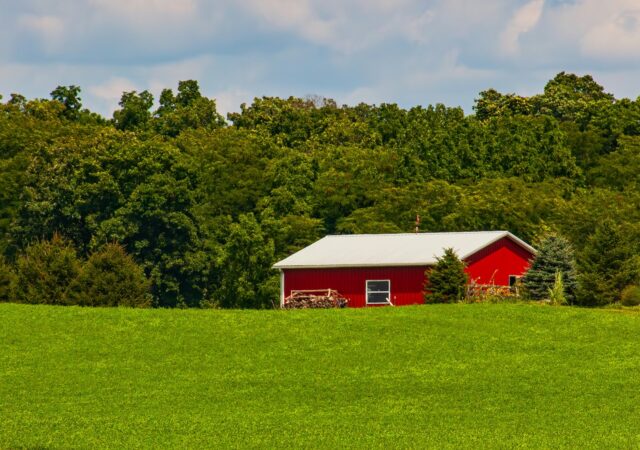
The Future of Health Starts on the Farm
Join us at Climate Week NYC to explore how better farming can lead to better food.
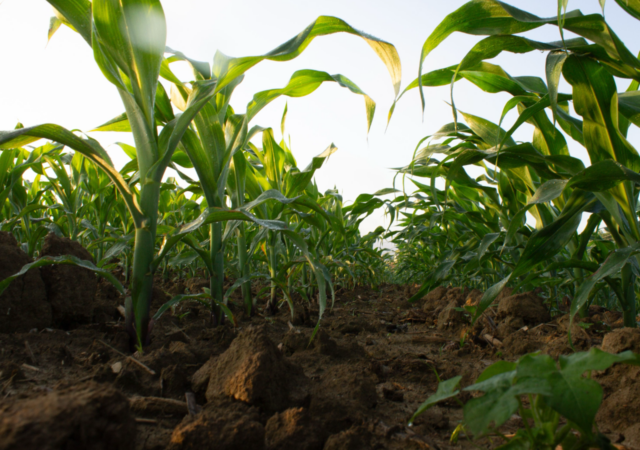
Legume Cover Crops Can Reduce U.S. Corn Fertilizer Use
Integrating legume cover crops can help farmers cut back on fertilizers and build healthy soils.
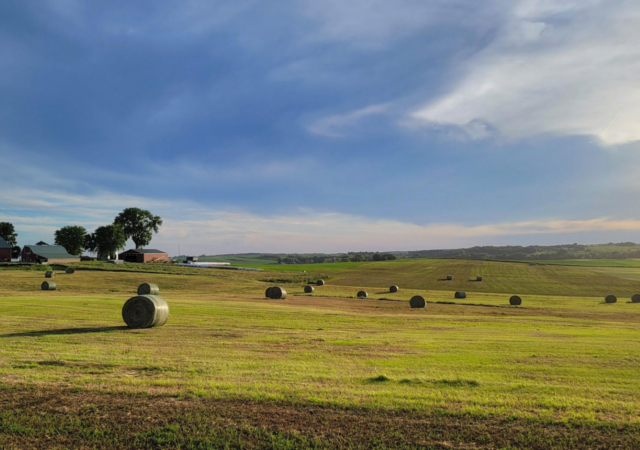
Carrying a Family Legacy Forward, One Calf at a Time
After leaving the family farm, Elle Gadient realized that the hard work and uncertainty of farming are part of what made it home.
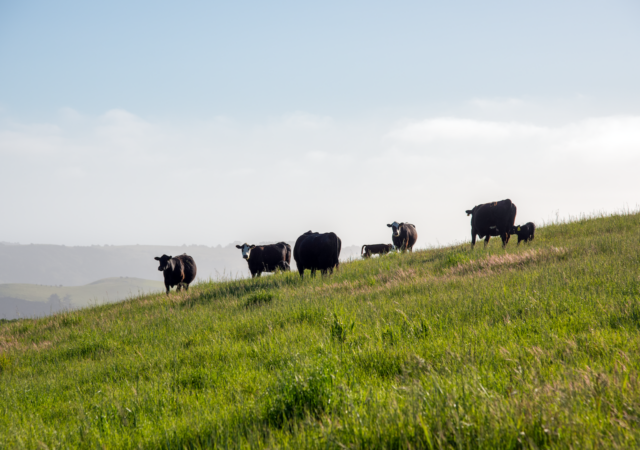
TomKat Ranch Educational Foundation Wants to Build a Food System Grounded in Resilience
This living lab wants to show that farmers can thrive when they transition to regenerative practices.
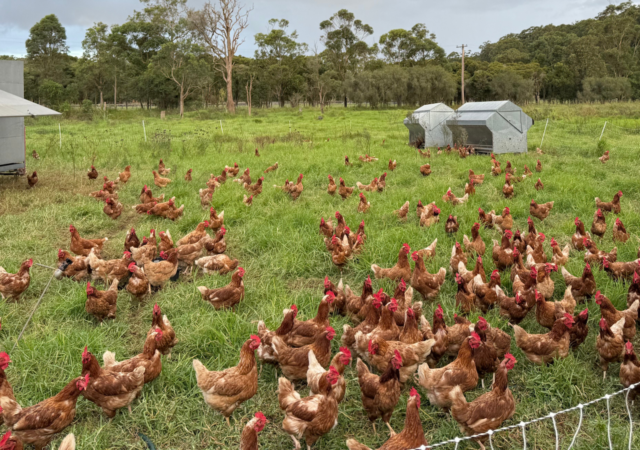
How an Opera Singer Found Connection Through Farming
After COVID-19 paused her career, an opera singer found a new calling in farming—and a way to help people reconnect with food, nature, and one another.
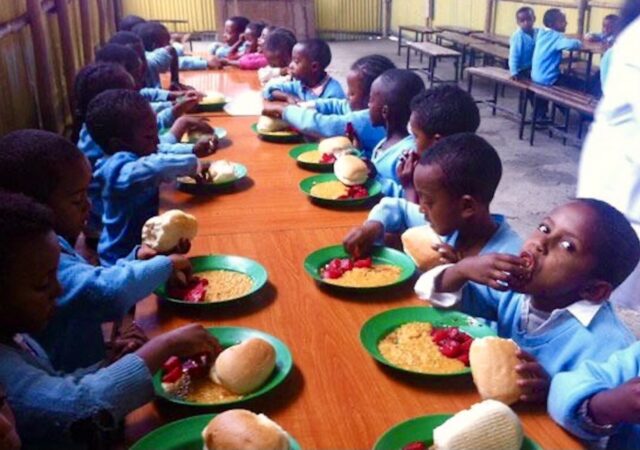
School Meals Nourish Communities Beyond the Classroom
School meal programs can do much more than address hunger—they can transform agriculture, strengthen local economies, and improve children’s futures.
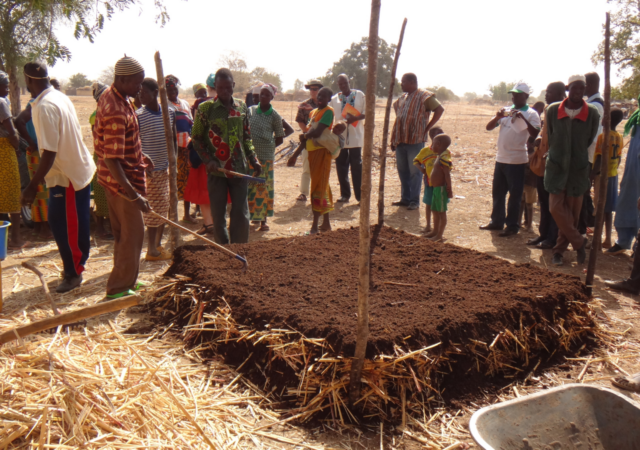
Agroecology Pays Off: Report Highlights Major Gains for Burkina Faso Farmers
In Burkina Faso, farmers using nature-friendly methods are seeing bigger harvests and higher incomes even in areas hit hard by drought, floods, and conflict
From Risk to Resilience in Nebraska’s Hog Industry
After years of financial risk, a Nebraska farm family finds stability and renewed purpose through a different way of raising hogs.
Food Tank Explains: Organic Agriculture
From healthier soils to stronger ecosystems, here’s how organic farming works and why interest in it continues to grow.
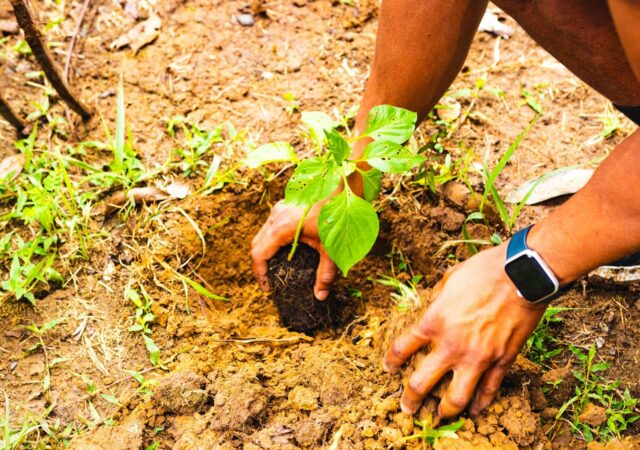
These 10 Bright Spots Are Beacons for a Stronger Global Food System
There’s plenty of good in the world if we open our eyes to it.
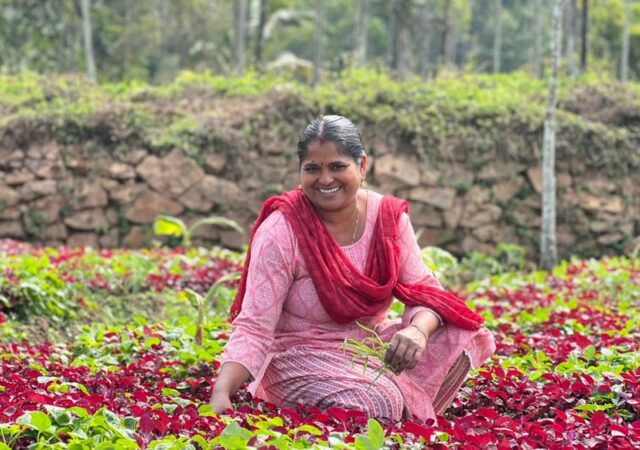
Op-Ed | How Soil Health Is Promoted Through Traditional Knowledge and Modern Science
Farmers are learning from researchers—just as researchers are also learning from farmers.
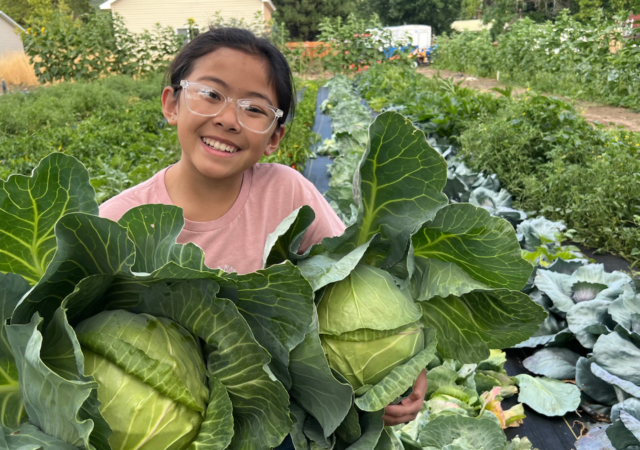
At This Utah Farm, Resilience Starts With Food
One farmer’s journey from survival to sustainability is reshaping how a community connects with food.
Food Tank’s Weekly News Roundup: Extreme Heat Hits Europe, Regenerative Agriculture Grows, and SNAP Enrollment Falls
This week, Europe struggles in extreme heat, new frameworks can scale regenerative agriculture, and a new analysis reveals that millions have lost access to SNAP since last year.