We’re a global community pushing for food system change.
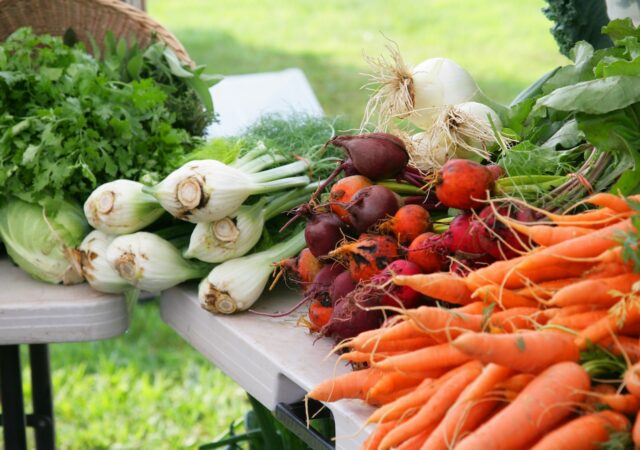
‘Food Is Medicine’ Shows Fixing the Food System Is a Public Health Priority
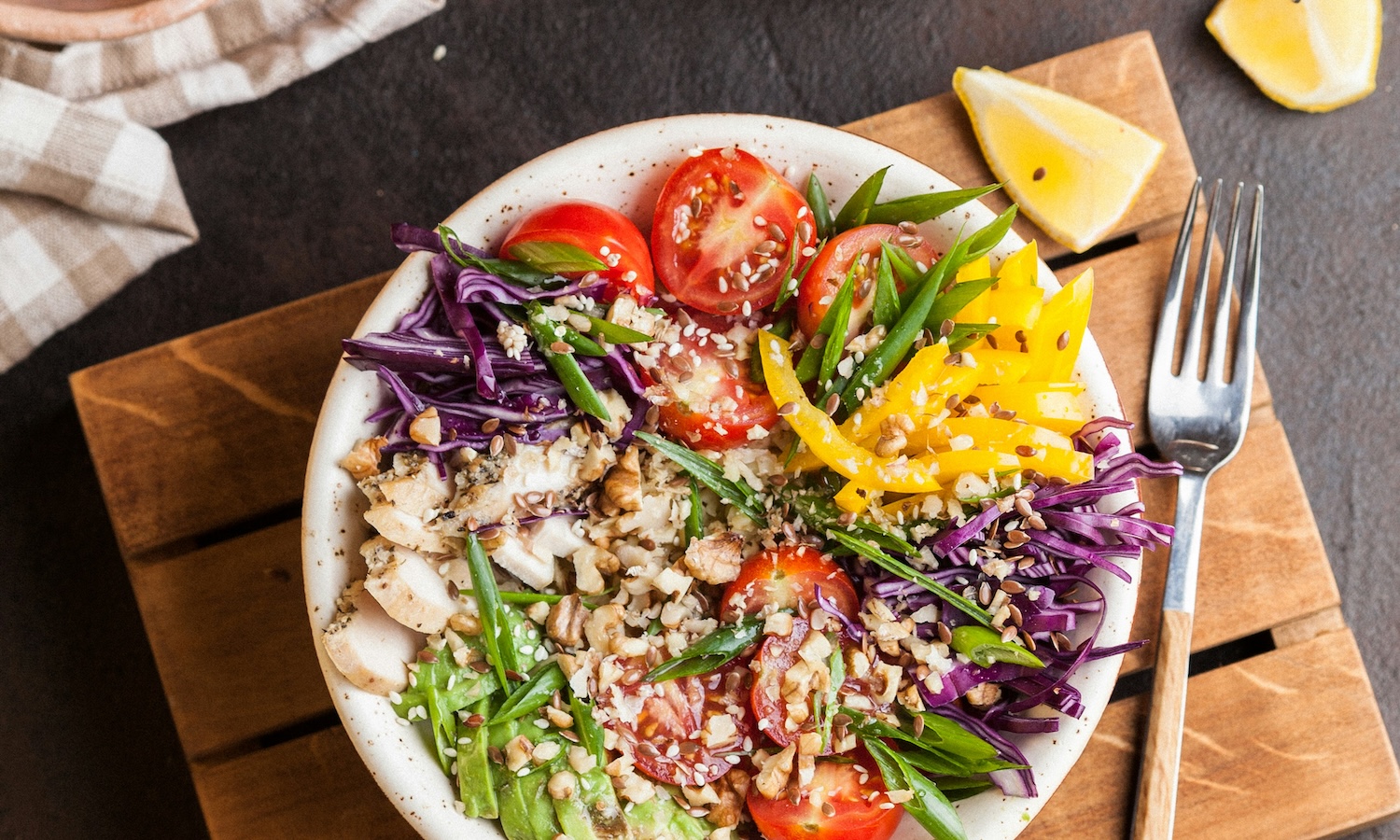
The food system is a major driver of preventable disease and environmental damage. In ‘Food Is Medicine,’ Dr. Dariush Mozaffarian lays out a path toward better health through food systems change.
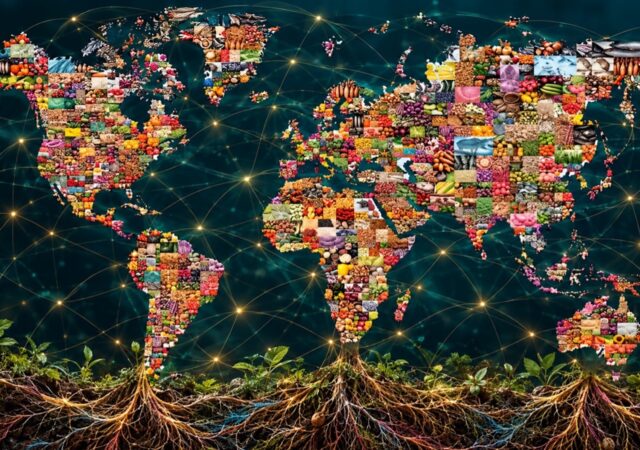
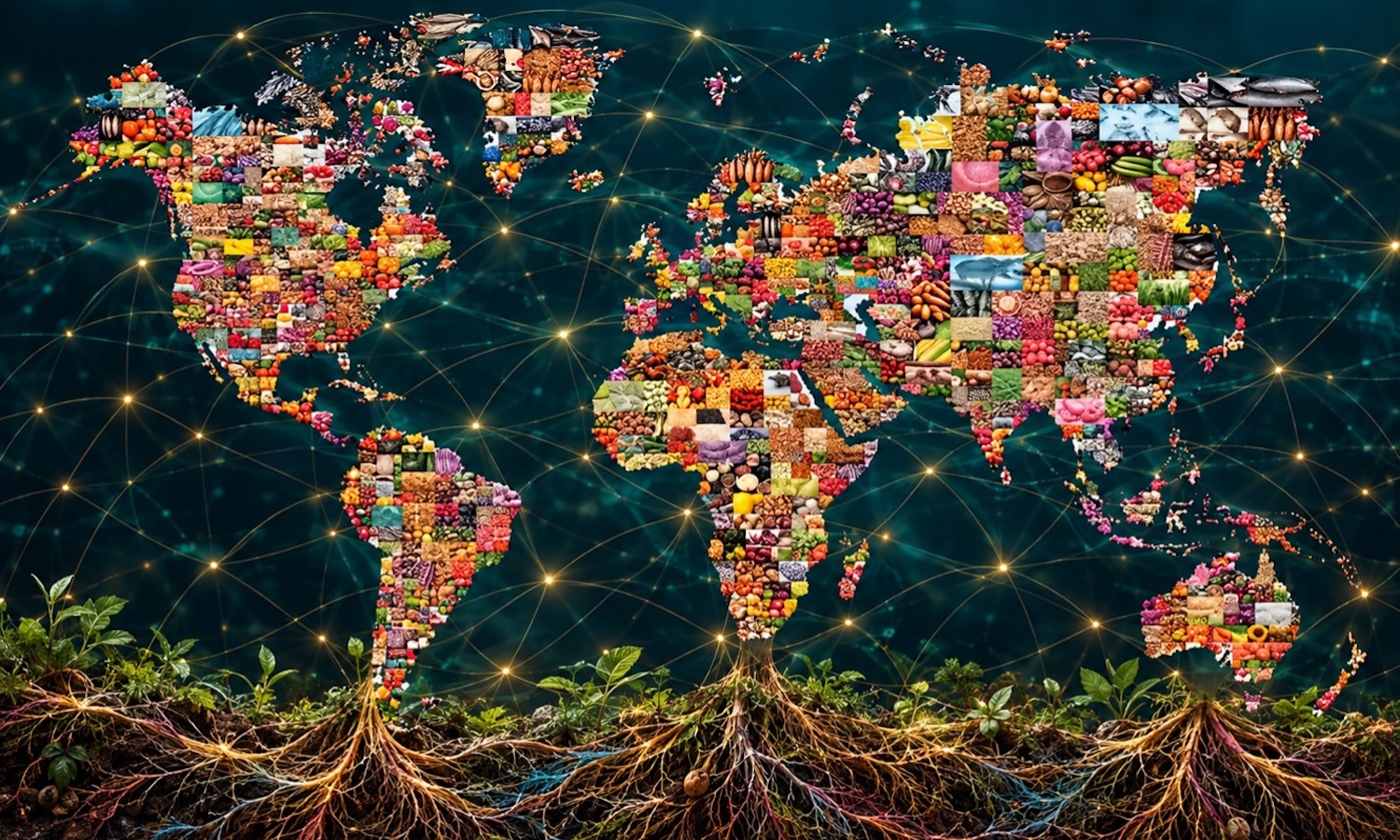
Op-Ed | Nourishing the World: Expanding Humanity’s Ambition for Food, Health, and the Planet
“Nourishment is a universal ambition, and its expression must reflect the diversity of people and places.”
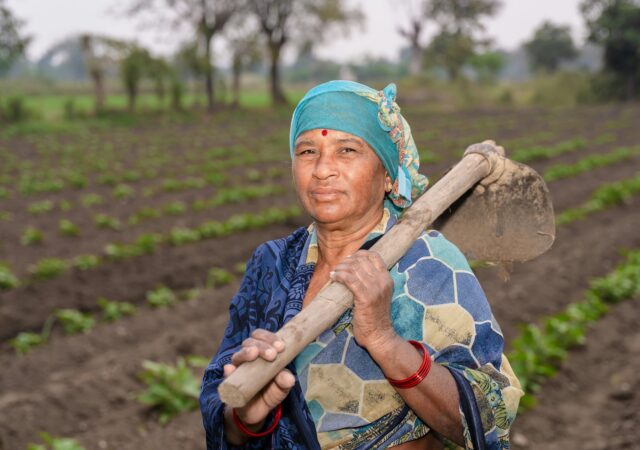
On the Ground with Dani Nierenberg: Rethinking Who Gets a Seat at the Table—and Who Wins the World Food Prize
We need to ask more difficult questions about what food and agricultural progress looks like, whose knowledge informs it, who benefits, who has power, and who doesn’t.
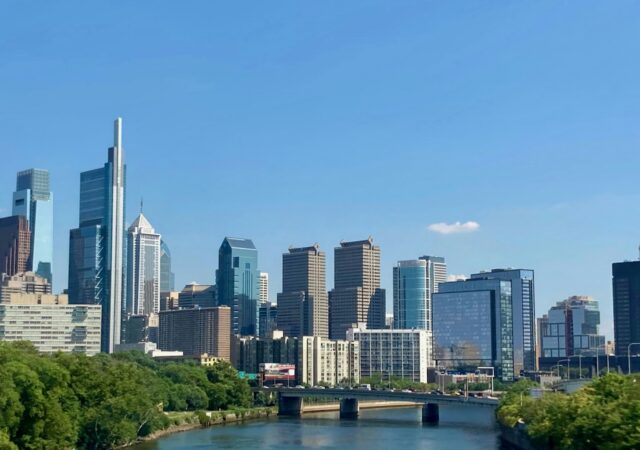
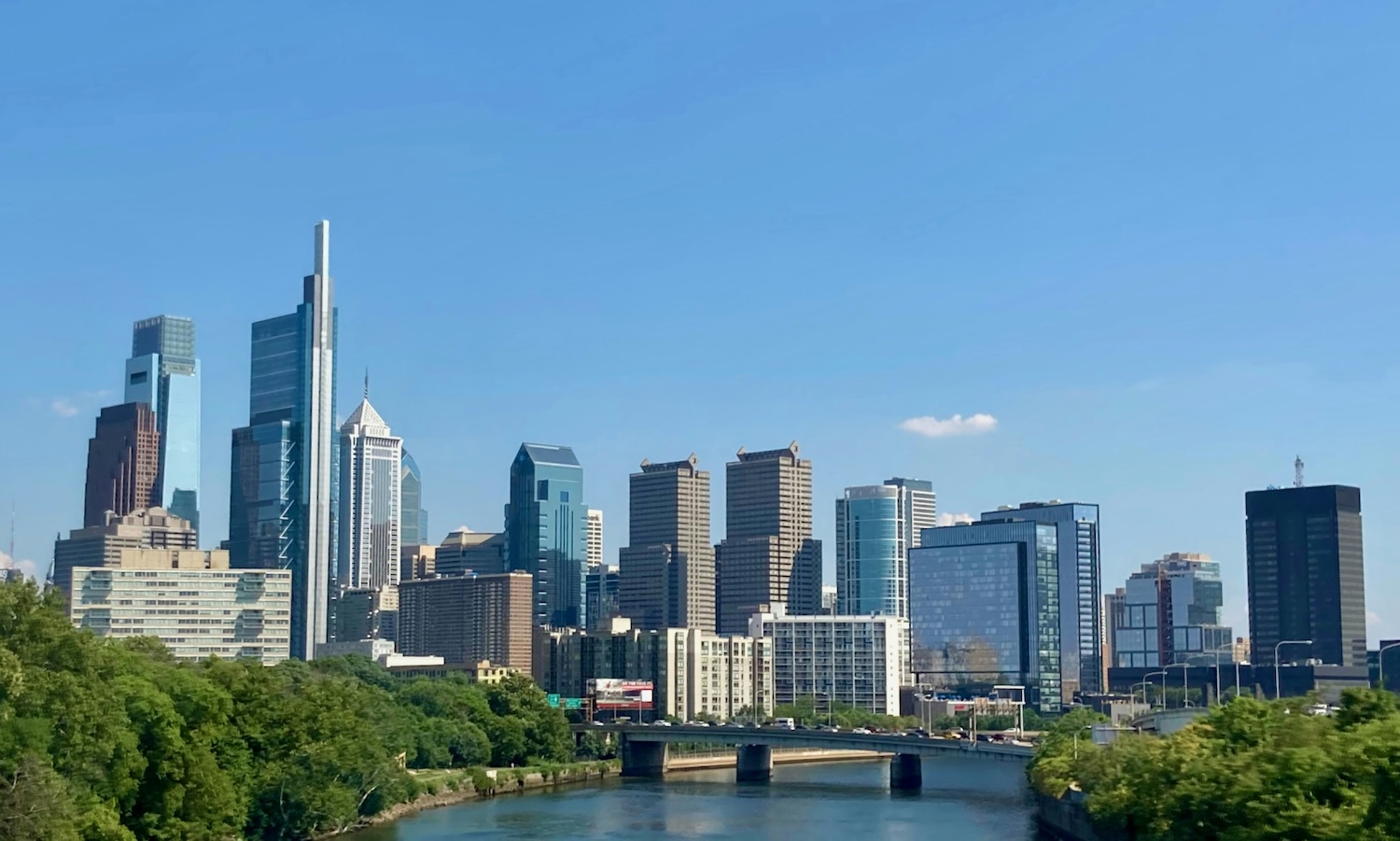
13 Organizations Building Health and Community in Philadelphia
These organizations want everyone to be able to access healthy, nutritious food.
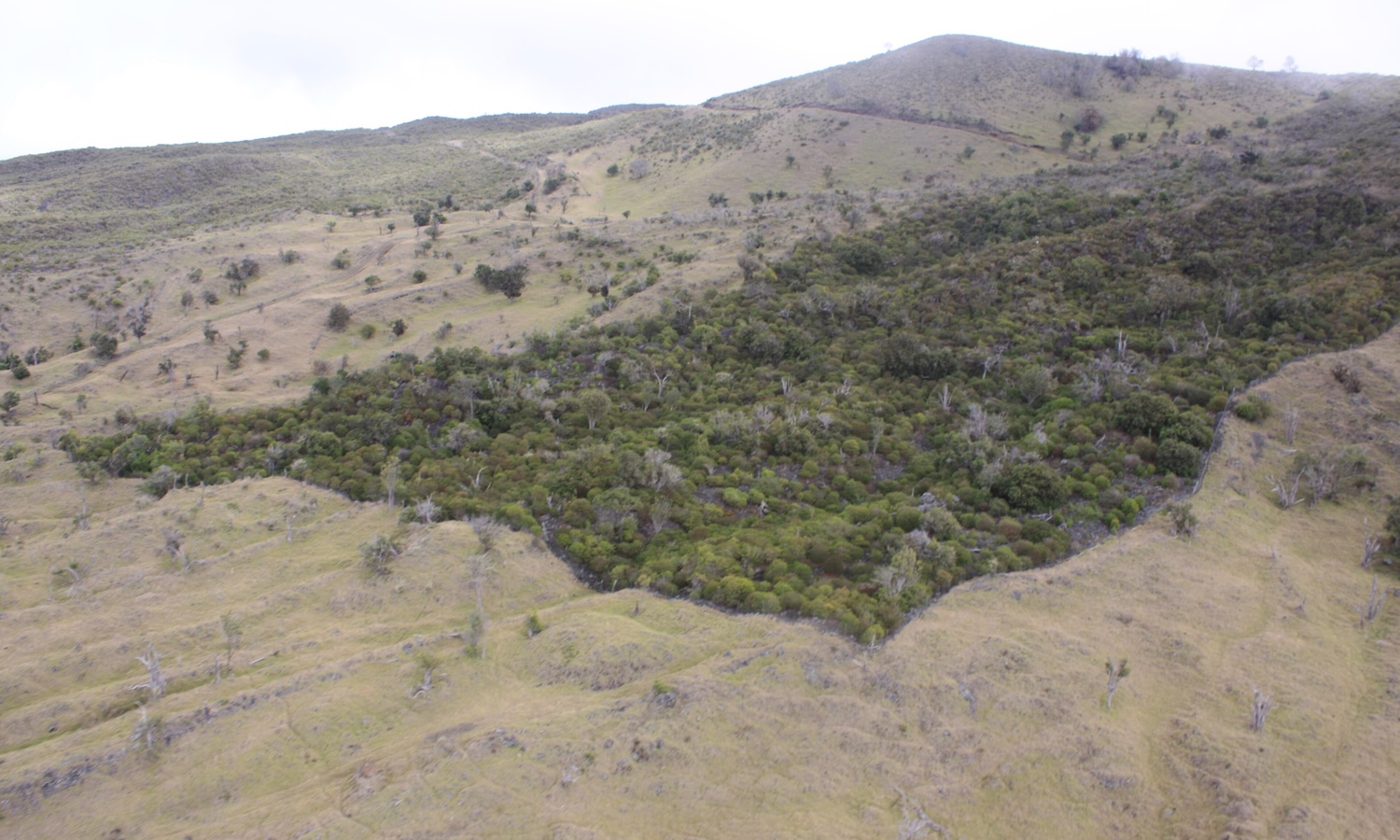
WWF Shows Turning the Tide on Biodiversity Loss Is Still Possible
A new report from WWF highlights how we still have time to protect global biodiversity. While the decline in biodiversity worldwide shows no sign of slowing, according to a new WWF report, the organization believes that nature recovery is still…
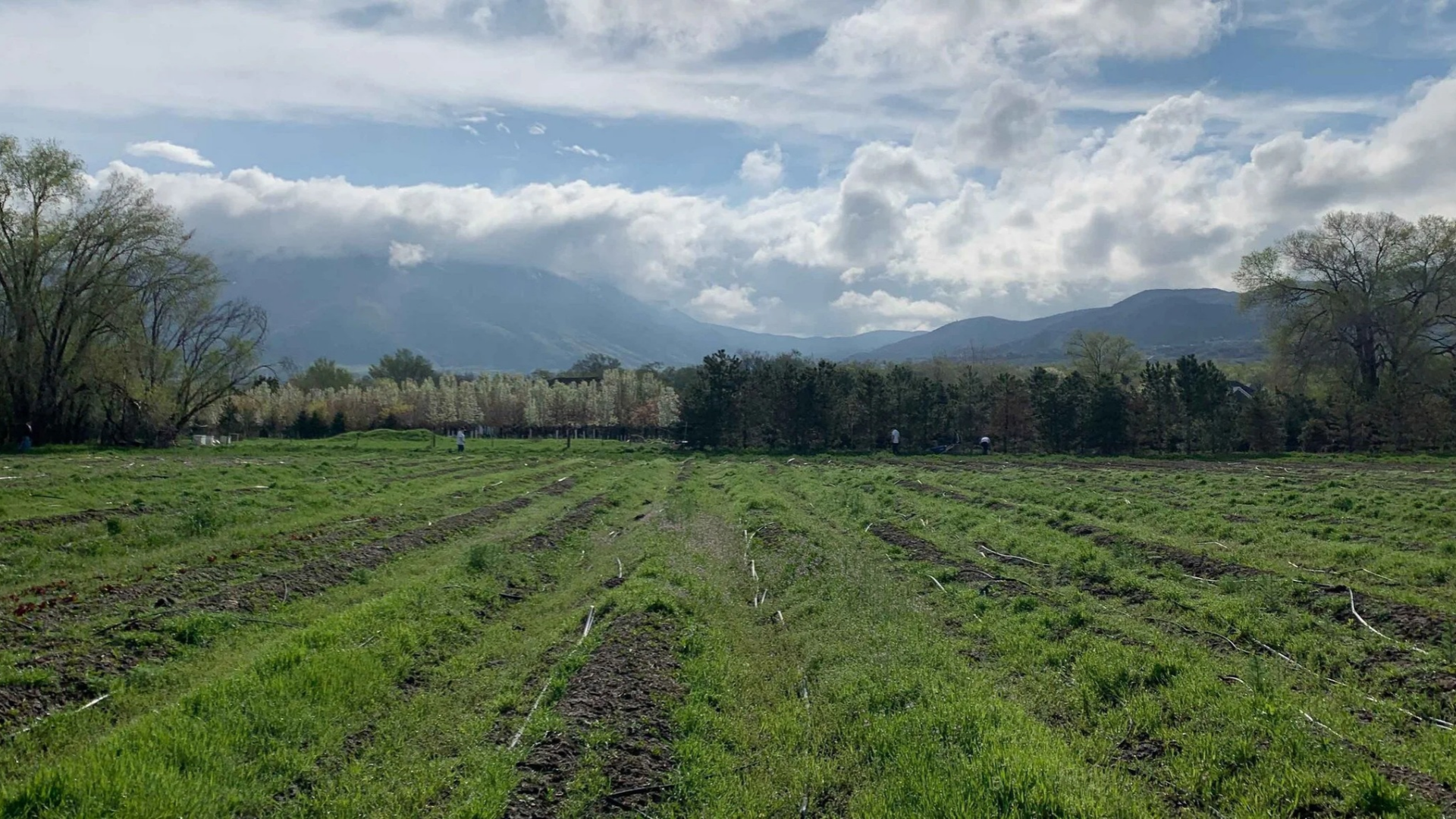
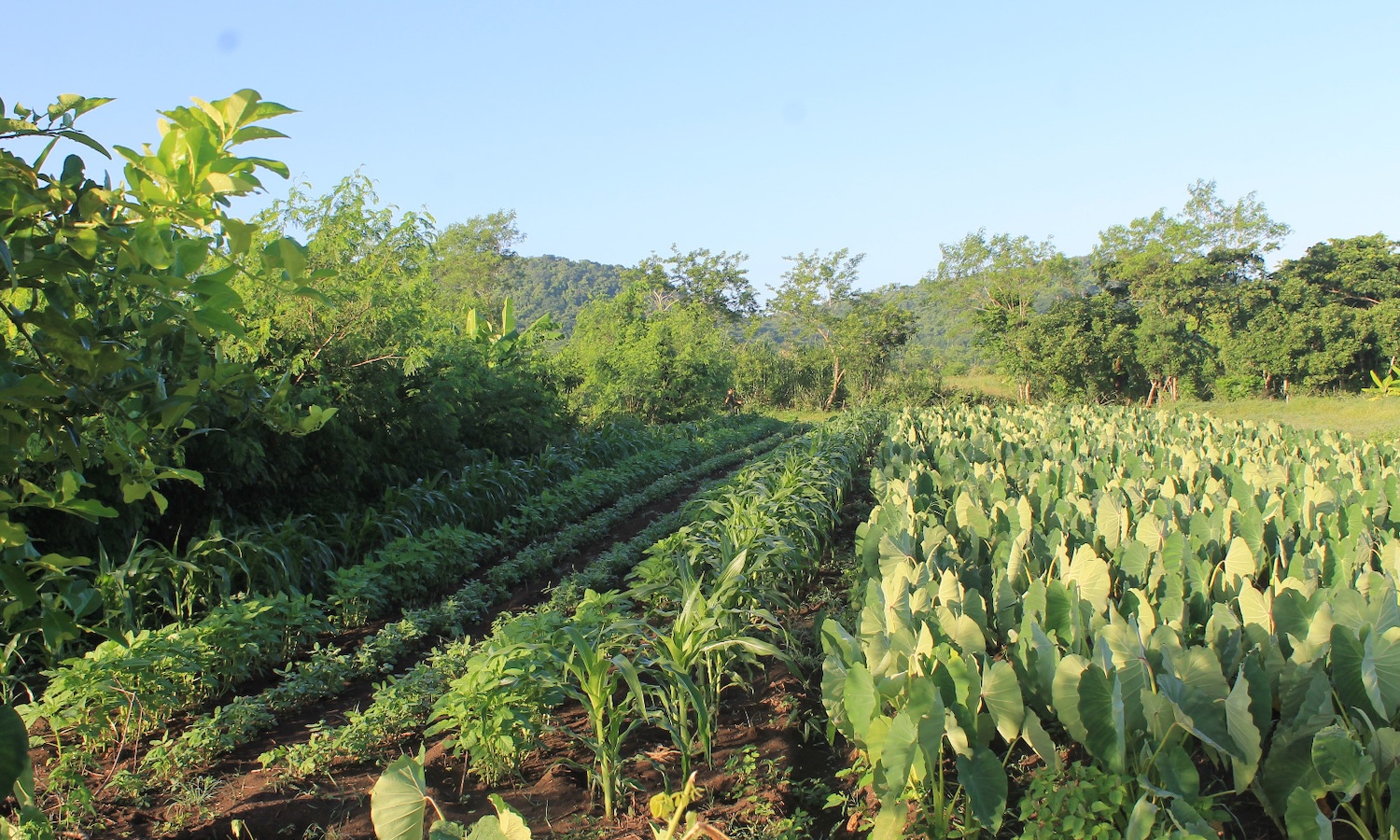
For Refugees in Utah, Farming Is a Connection to Home
After fleeing war in Chad, Albert Betoudji found a sense of home and community in Utah by returning to the farming traditions of his childhood.
You’re Invited: What Can We Achieve When We Put Food First For Health?
Food is medicine is a movement that can achieve so much more than many of us even realize.
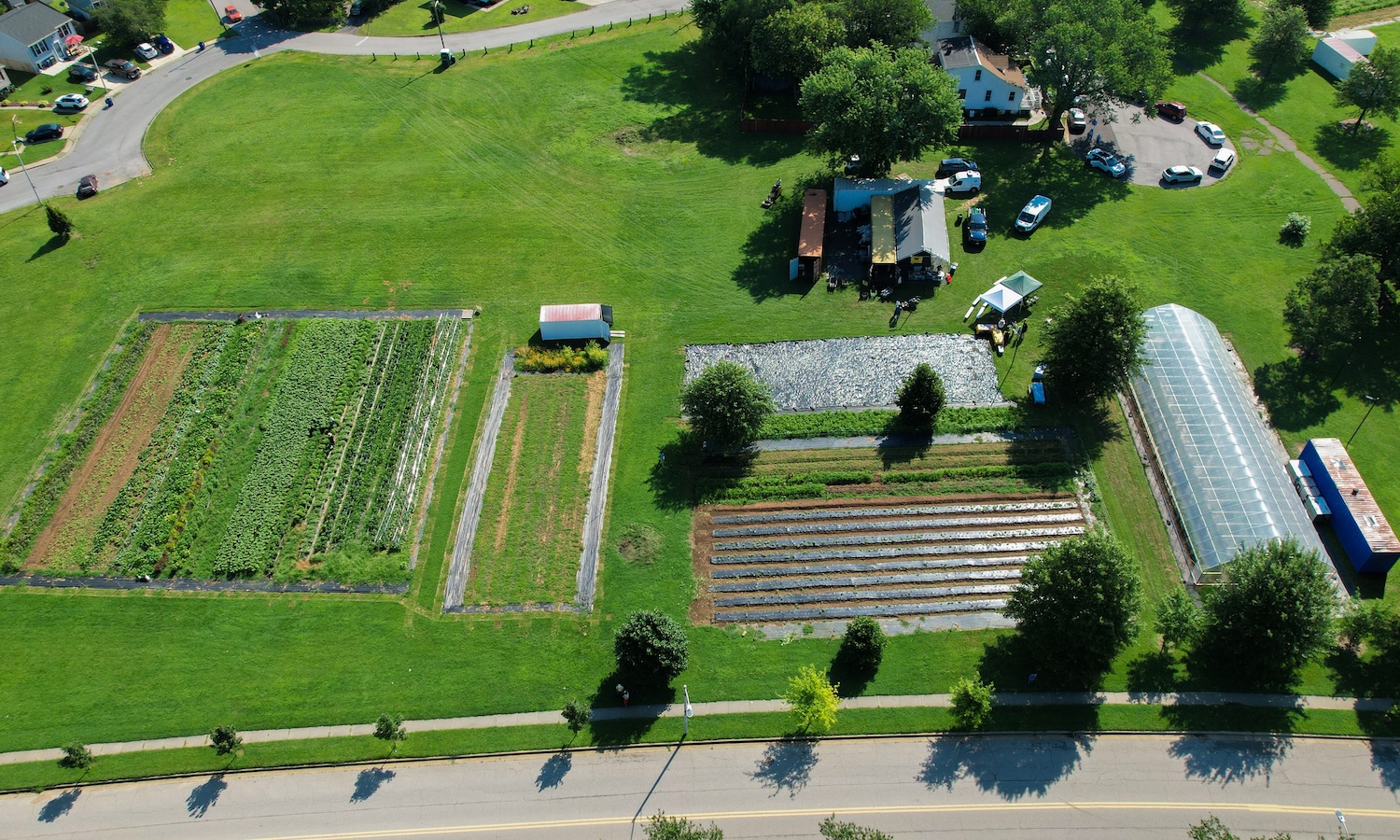
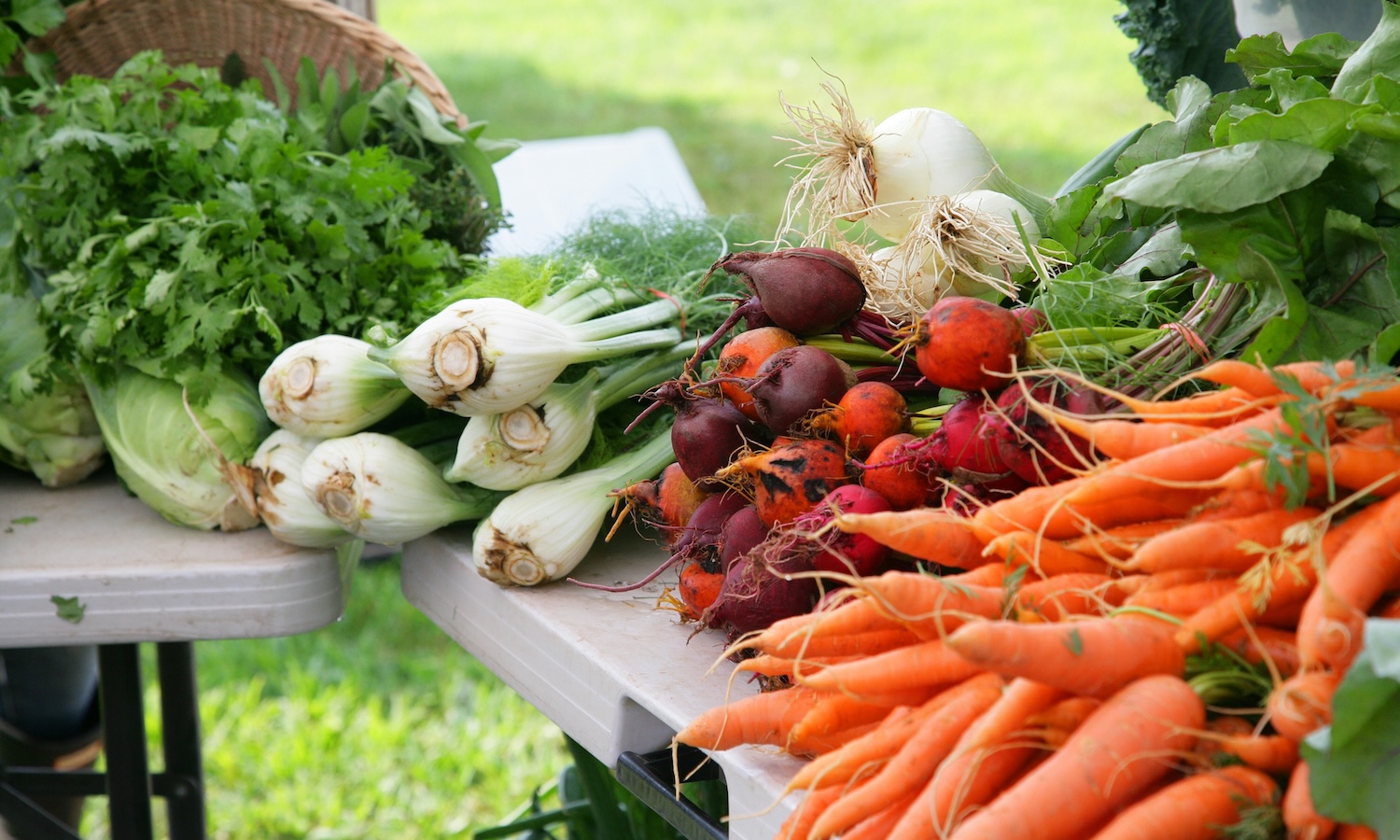
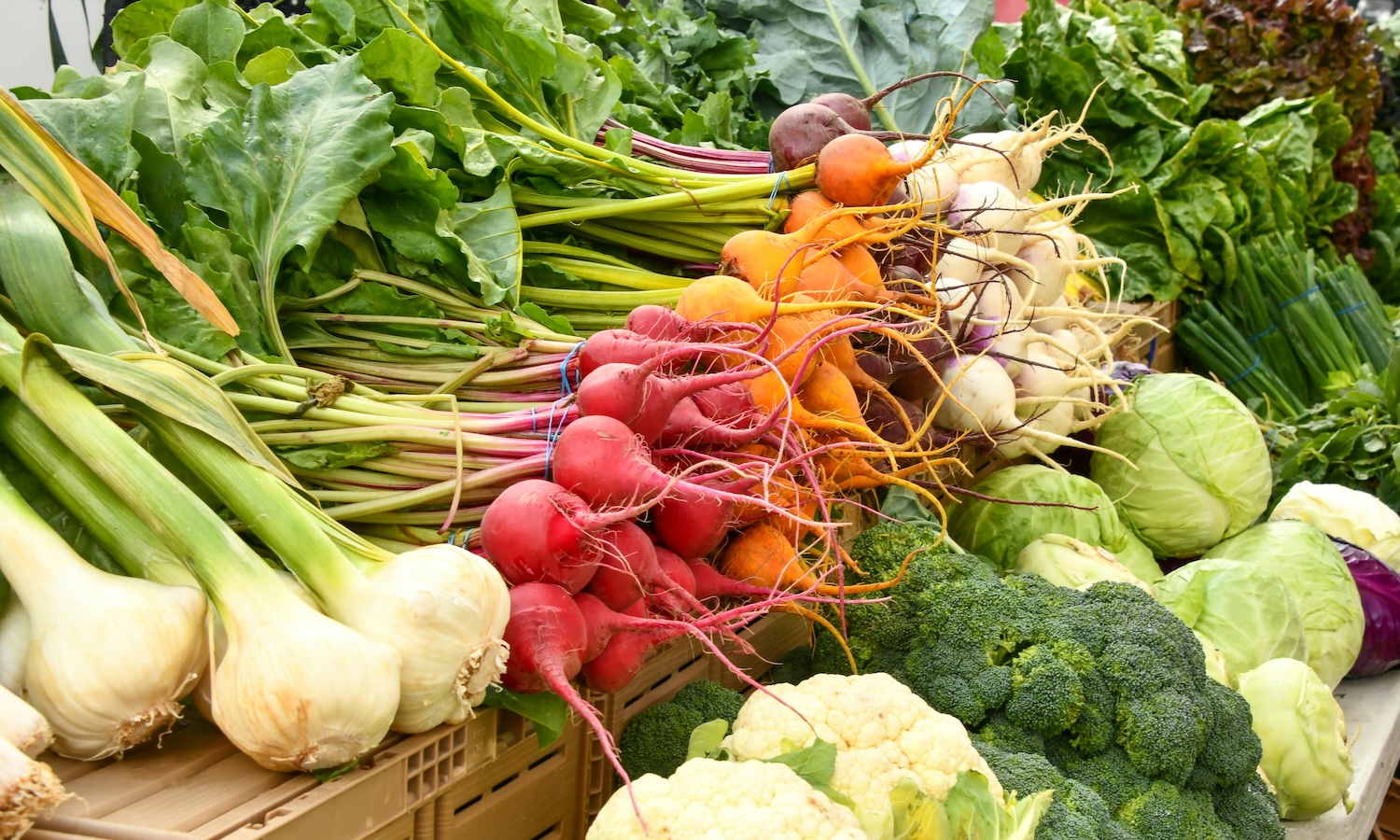
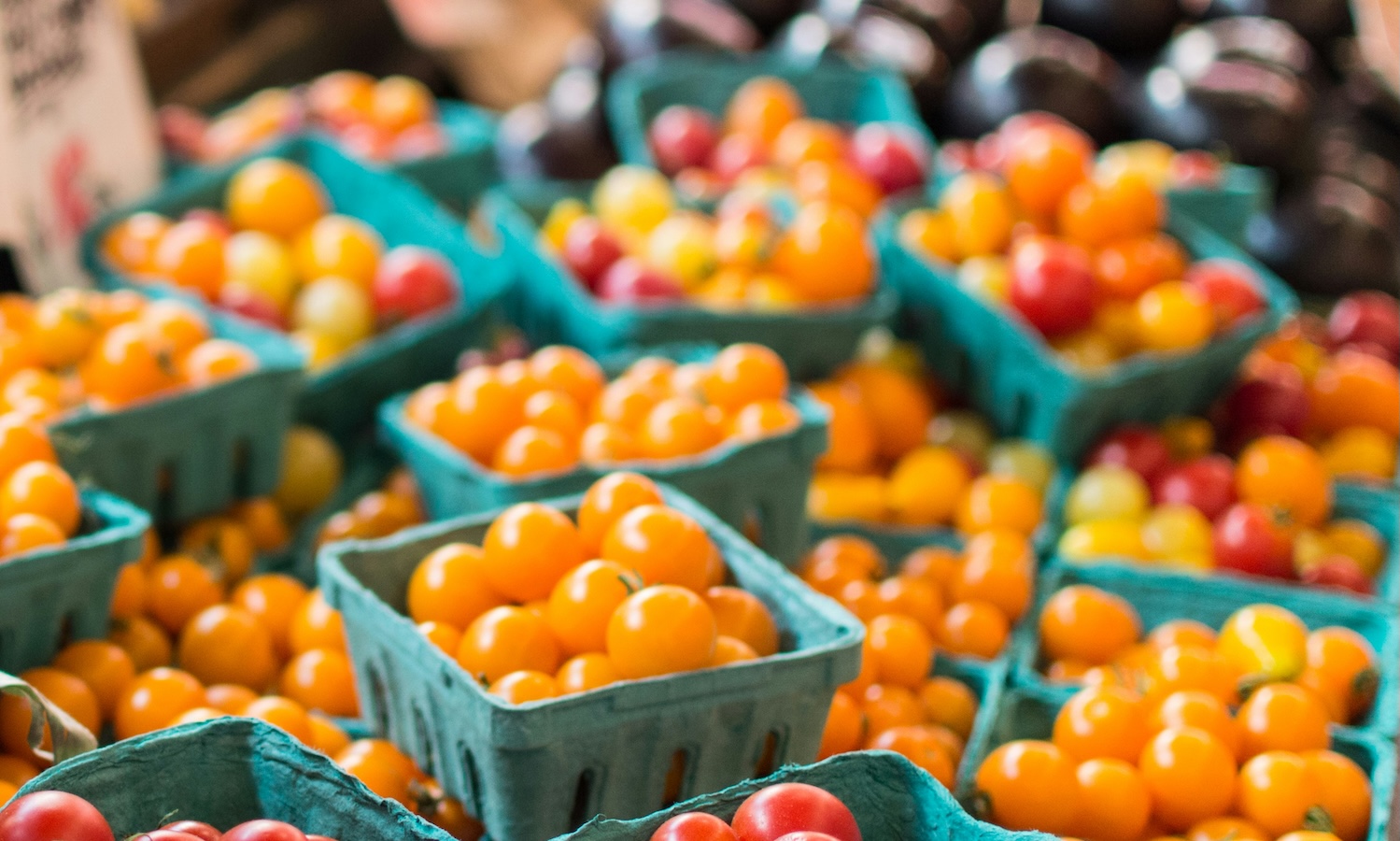
Building Stronger Communities Through Farmers Markets
Farmers markets are more than places to buy fresh produce. They can also serve as economic engines and gathering places that strengthen communities.
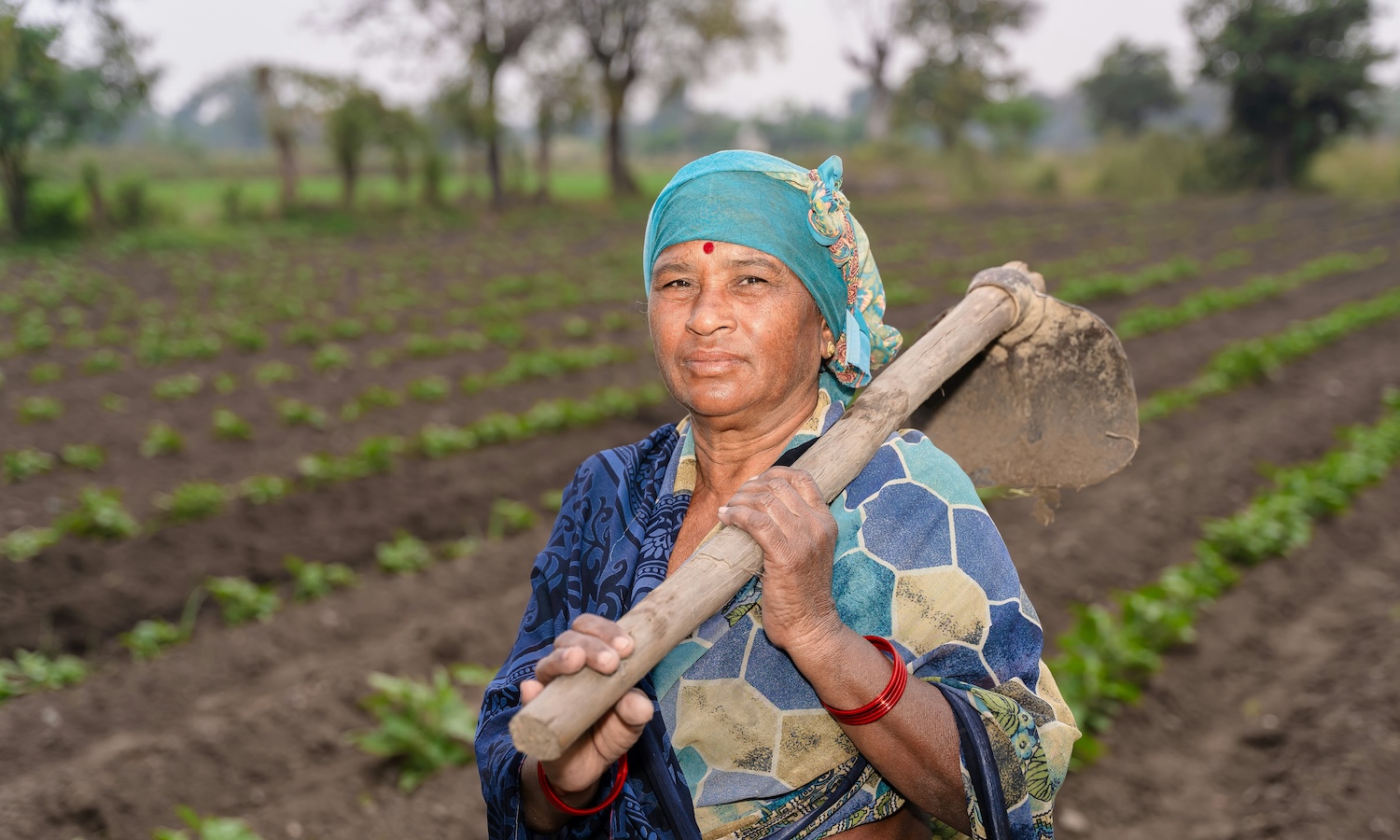
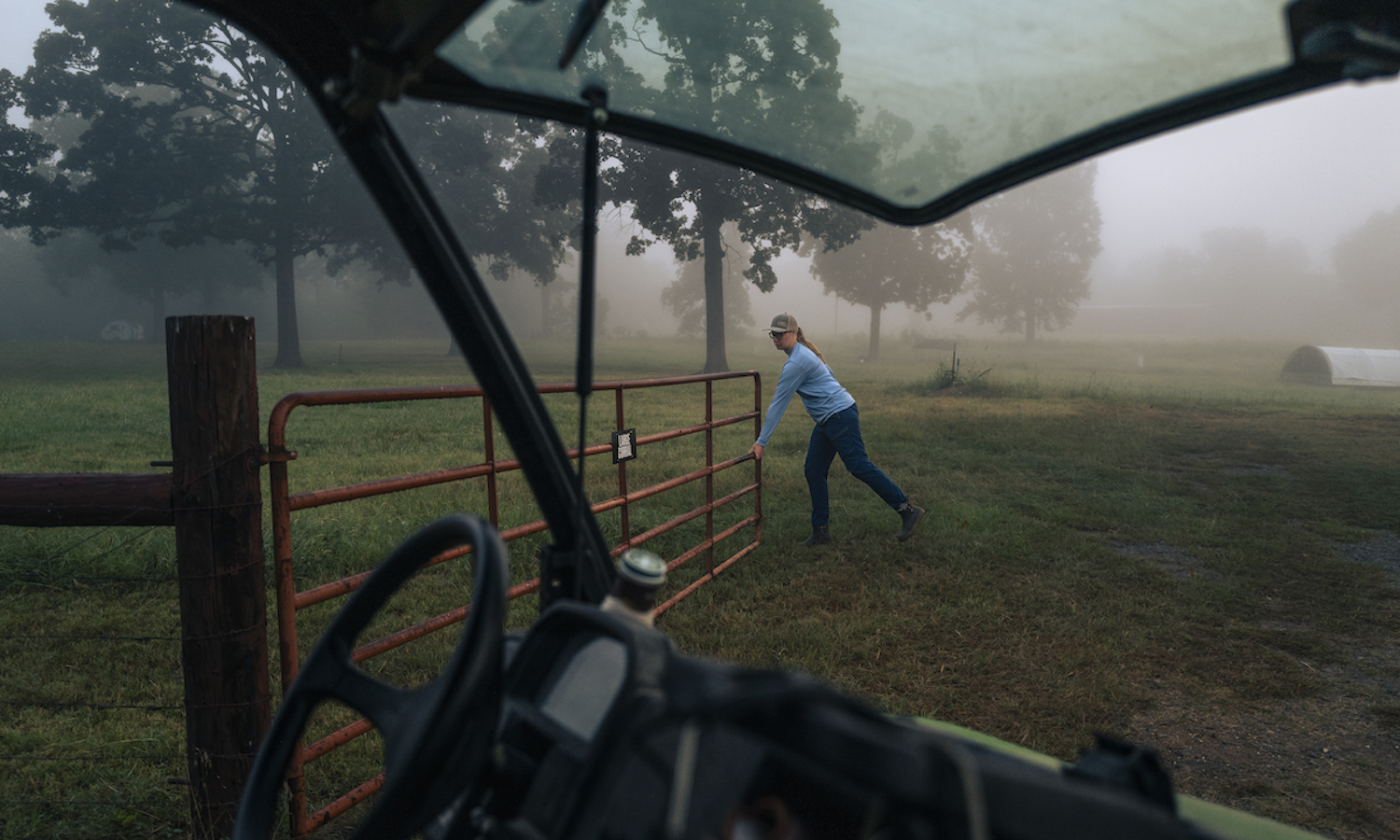
Op-Ed | Women Farmers Are Shaping the Future of Food and Agriculture Systems
Across the globe, women are food system champions, nurturing the land and building community. During the International Year of Women Farmers, these farmers and ranchers are getting the visibility that they deserve.
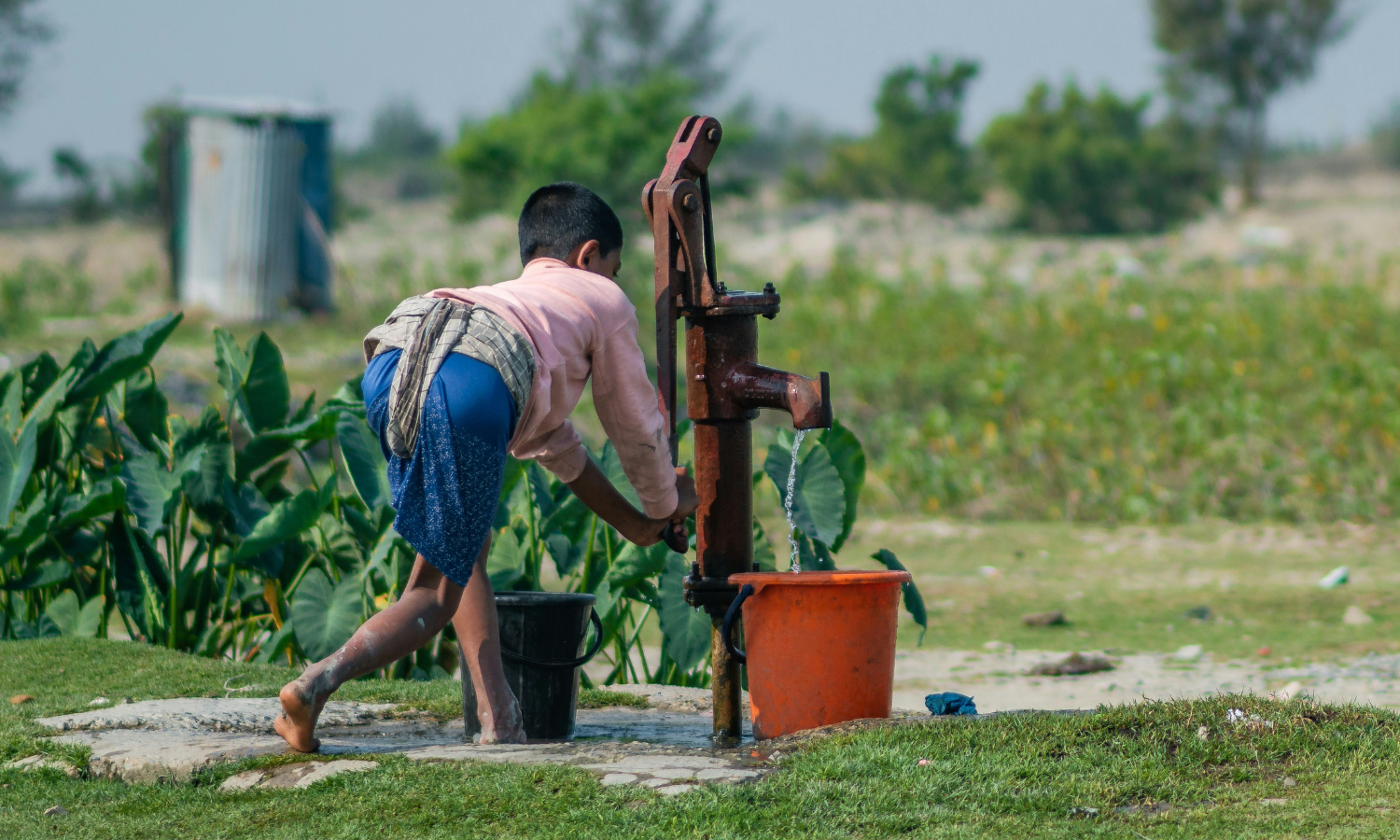
Food Tank Explains: Water Security
Water shortages, climate change, and growing demand threaten global water security, with consequences for agriculture, public health, and ecosystems.
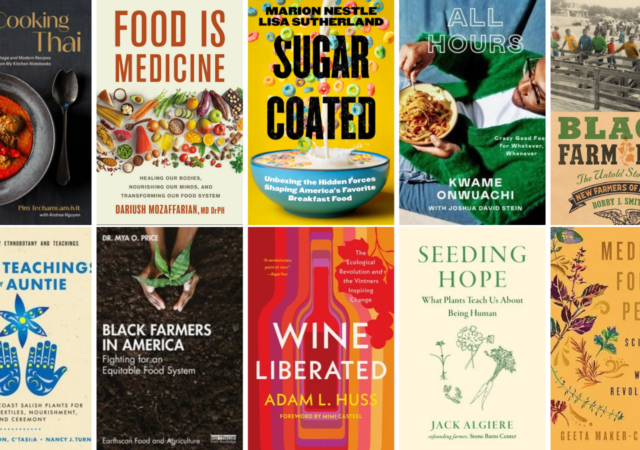
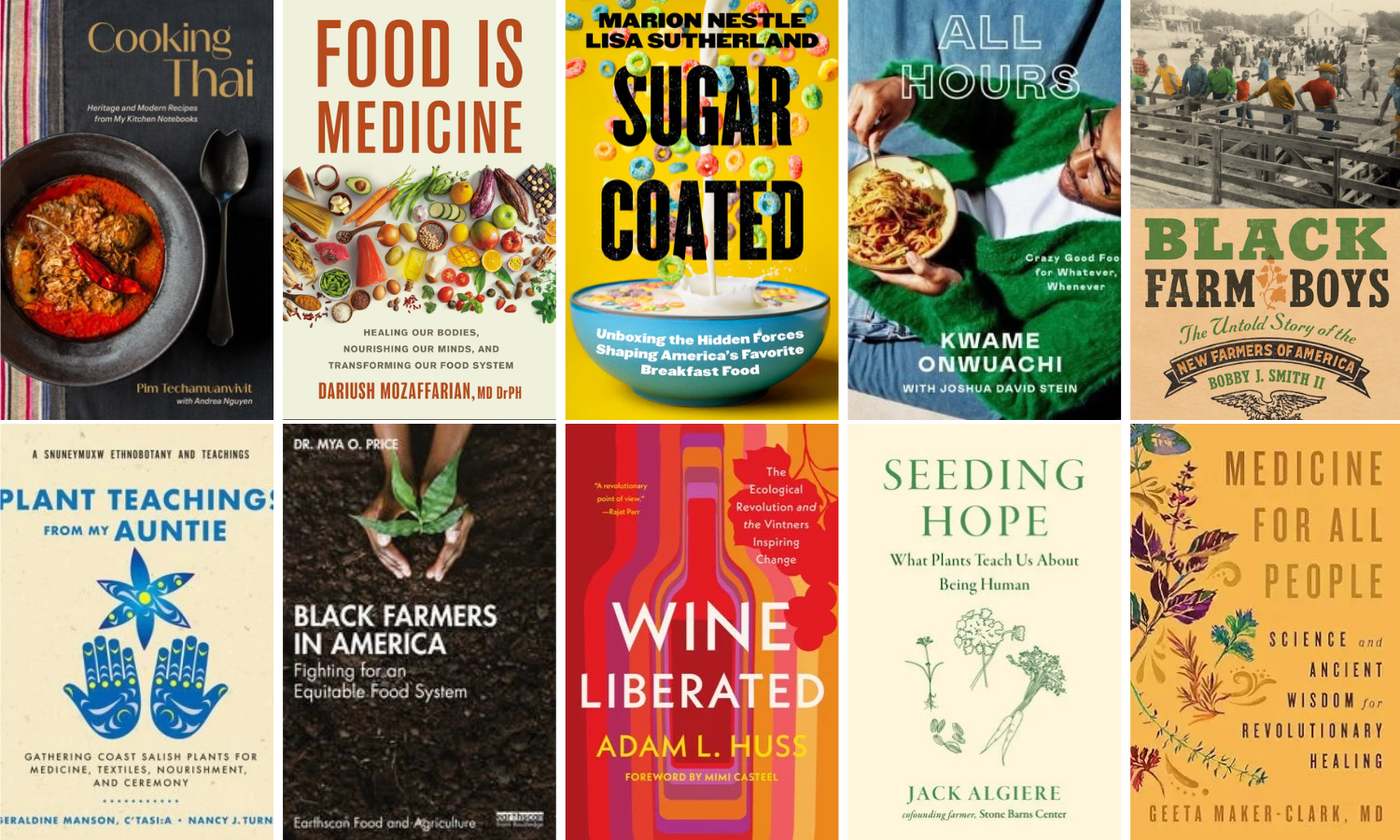
Food Tank’s Fall 2026 Reading List
Cozy up with these fall reads to dive into the latest ideas shaping the future of our food and agriculture systems.
Op-Ed | Blockade Against Cuba Exposes the Fragility of the Global Food System
Cuba is confronting the limits of fossil-fuel-dependent agriculture. But agroecology offers a path to resilience.
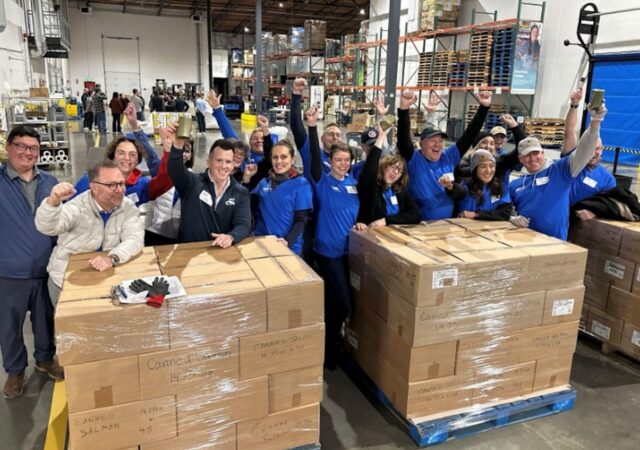
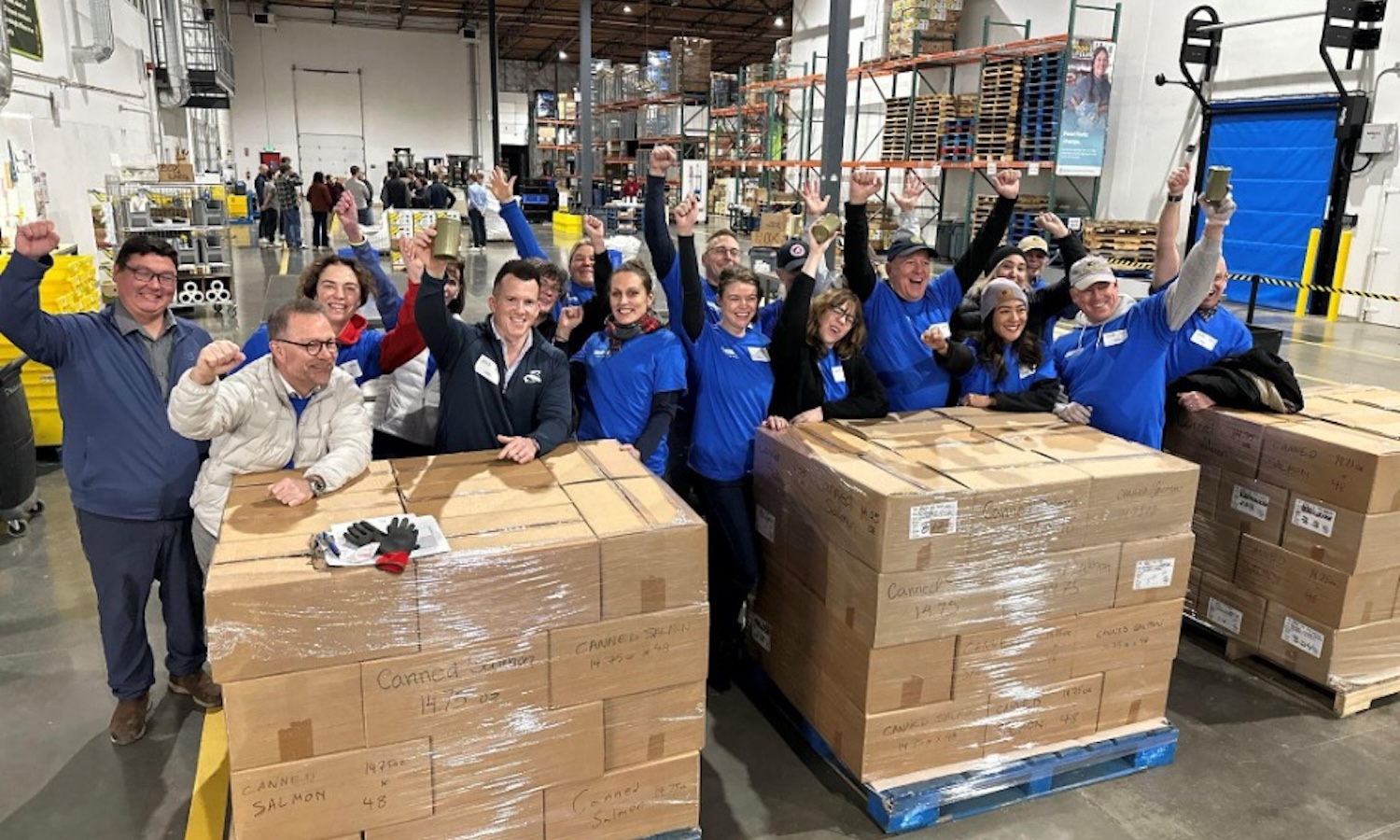
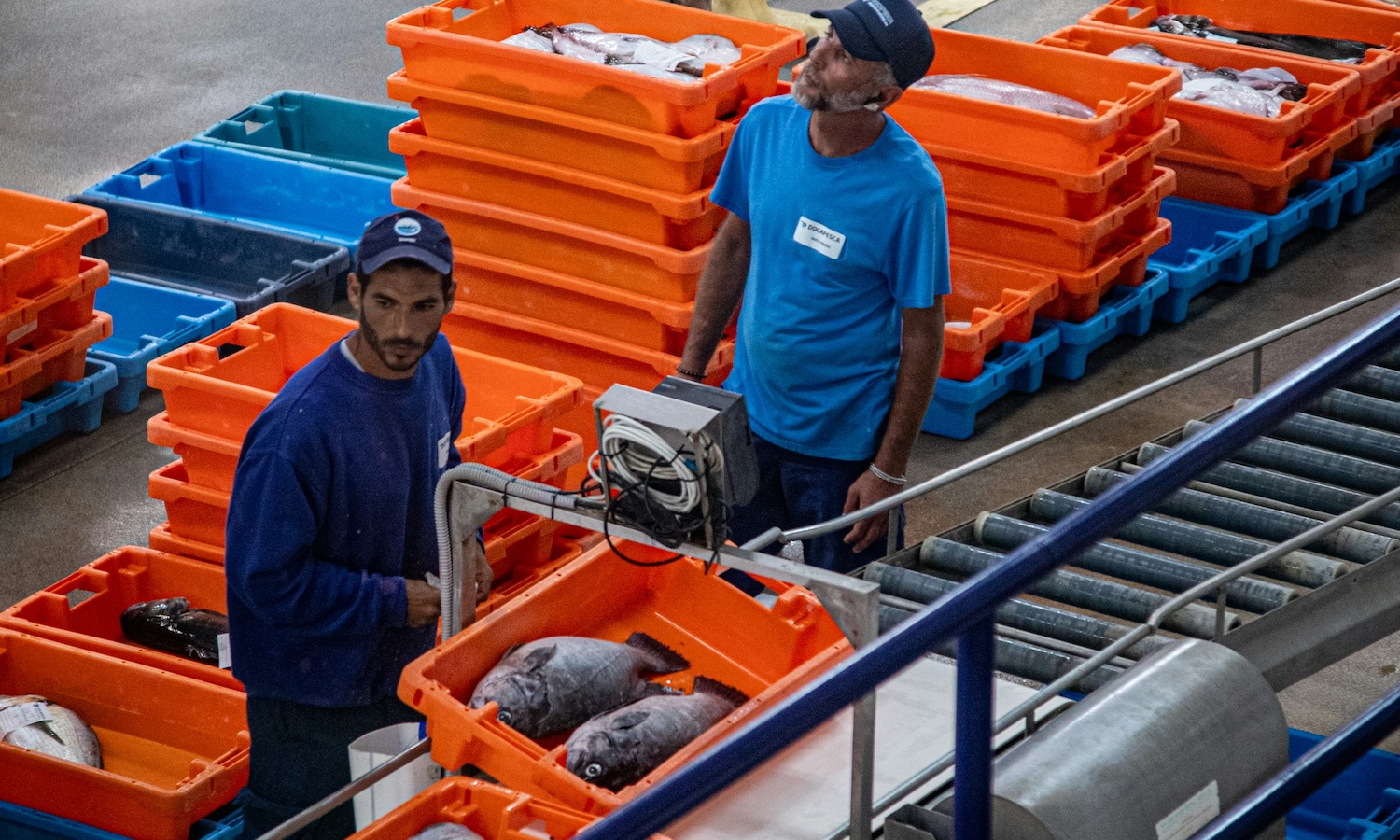
SeaShare Is Closing the Protein Gap in America’s Food Banks
Through a nationwide network of seafood industry partners, SeaShare’s food donation efforts help close the protein gap in food banks.
Food Tank’s Weekly News Roundup: Medically Tailored Groceries, Dryland Forests, Climate-Resilient Seeds
From the success of medically tailored grocery programs to calls for investment in dryland forests, here’s your weekly food news roundup.
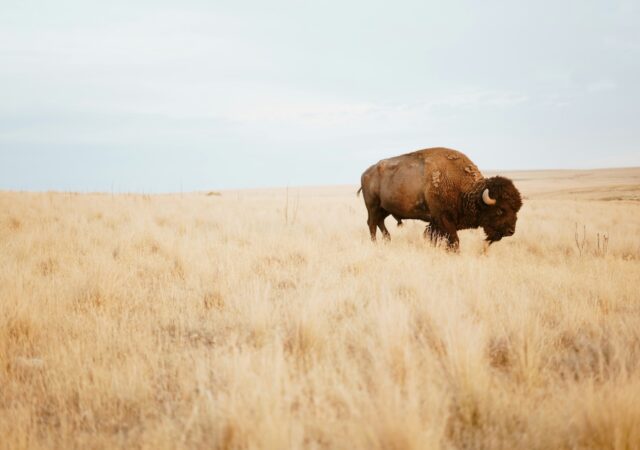
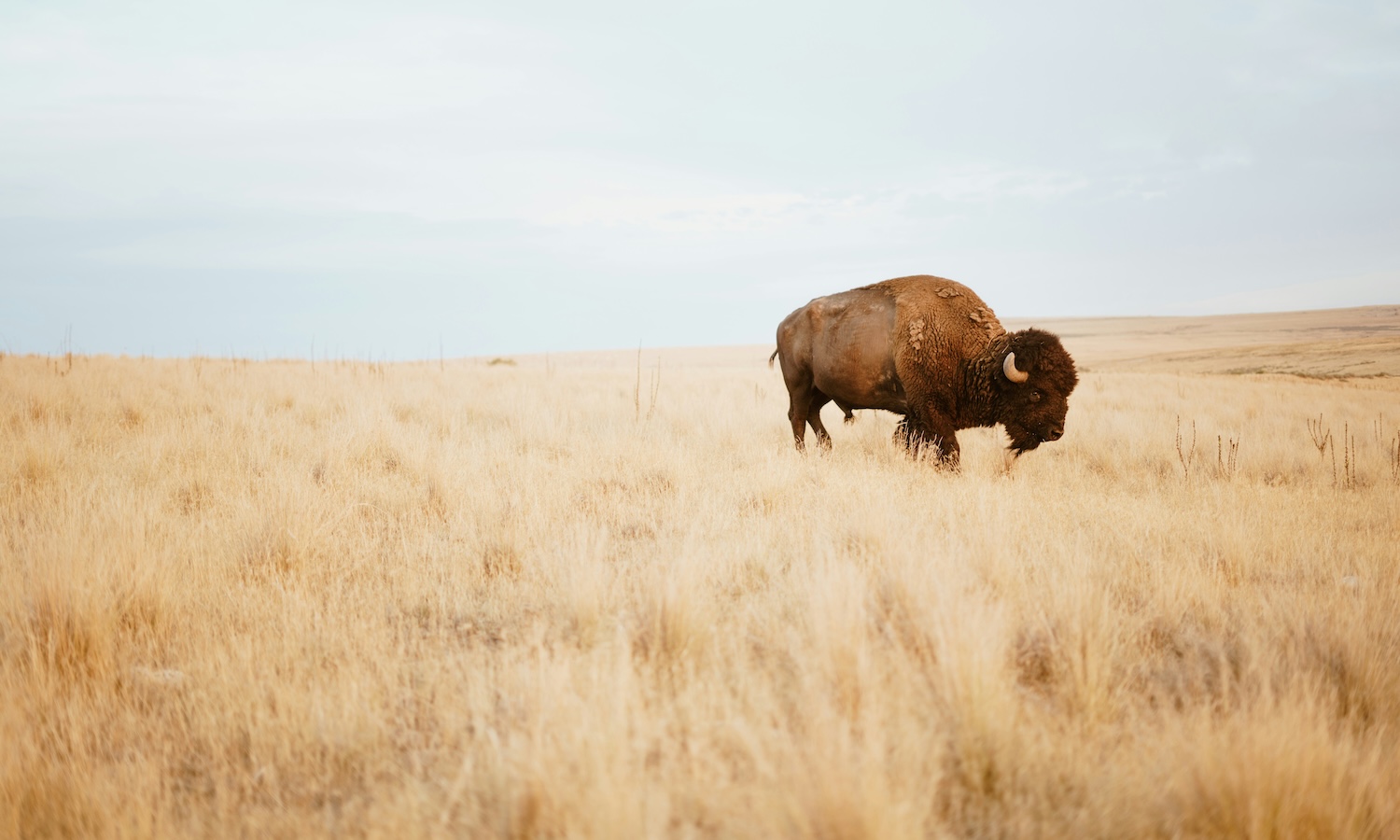
Celebrating Indigenous Food Sovereignty Efforts that Drive Wide-Ranging Change
Indigenous communities are setting the terms for their own food and agriculture systems, rematriating seeds, restoring buffalo herds, and uplifting the healing properties of traditional foods.
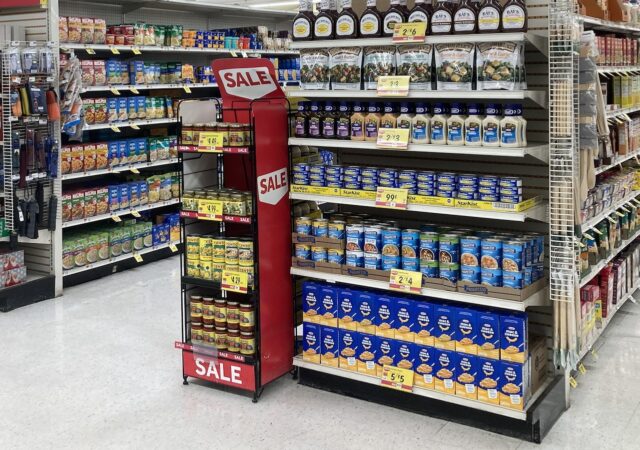
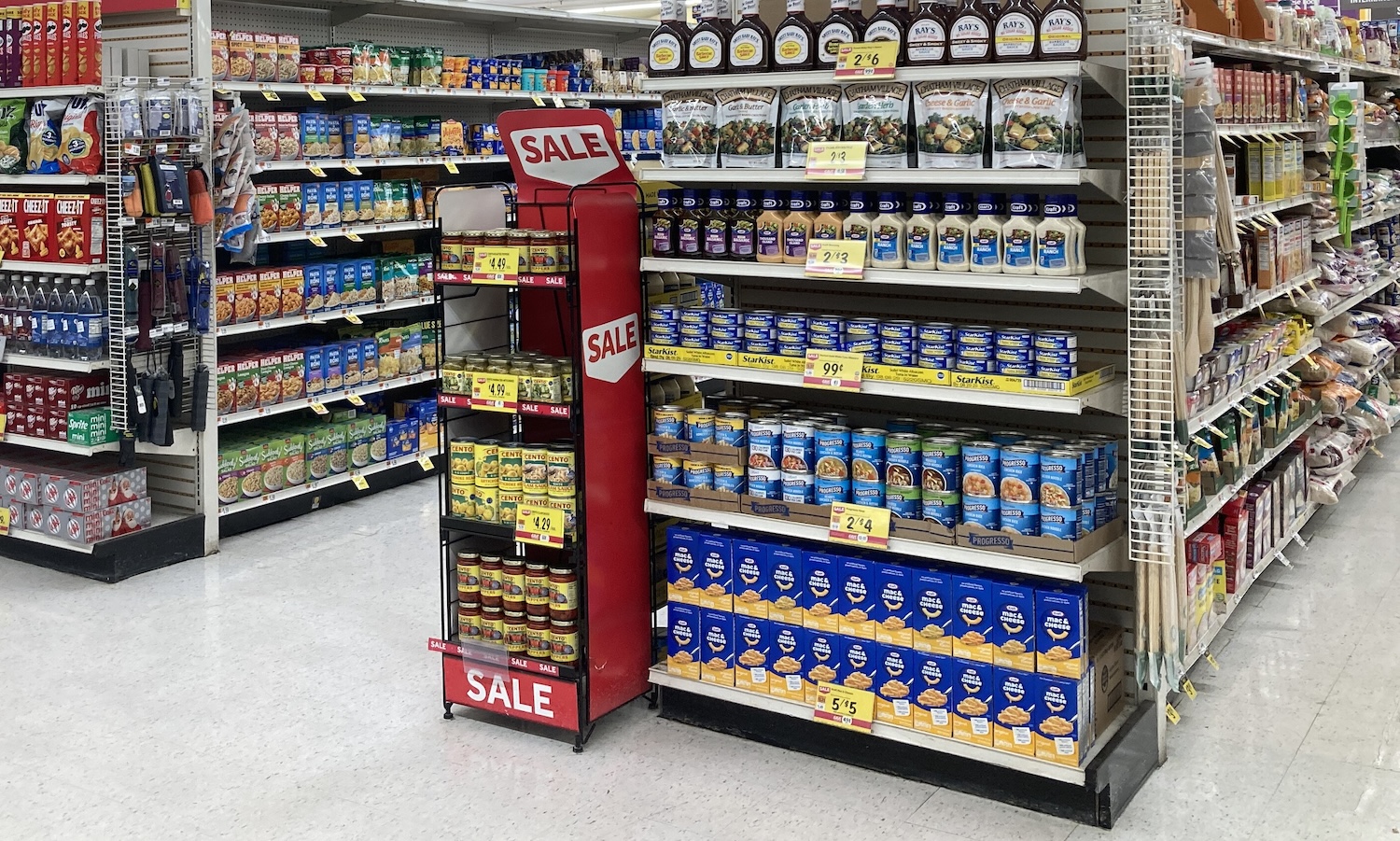
Opening a Grocery Store Is Only the Beginning: Making Food Retail Work for Communities
Can publicly-supported grocery stores solve the food affordability crisis?
Slow Food NYC Celebrates Good, Clean, and Fair Food
Slow Food NYC’s SnailFest 2026 will celebrate the people and businesses working every day to make good, clean, and fair food possible.
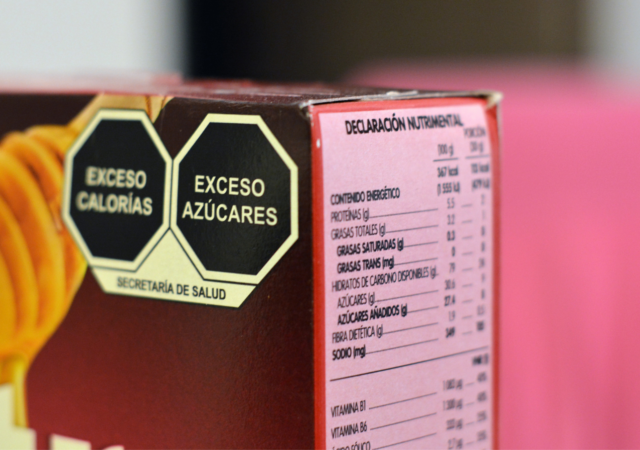
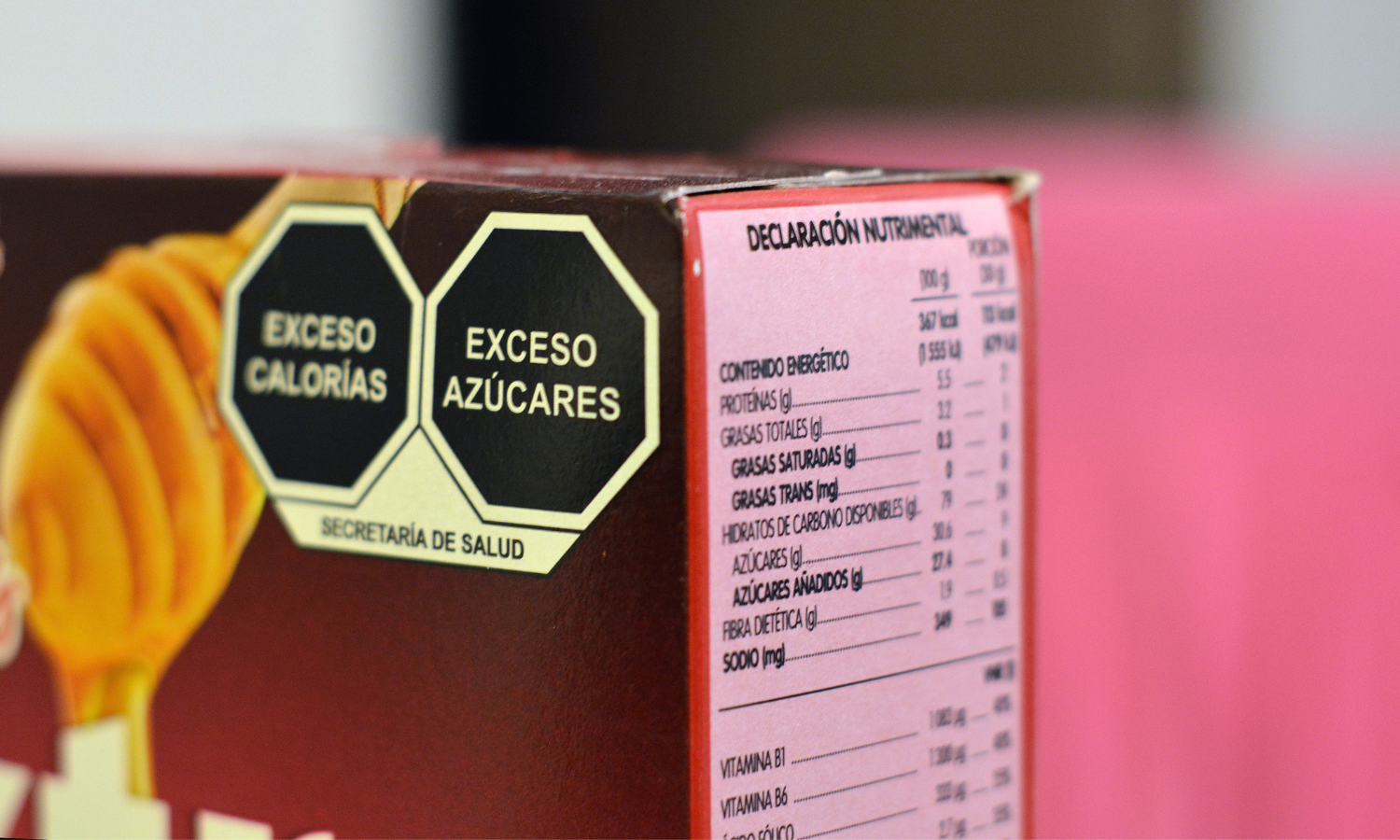
Food Tank Explains: Food Labeling
Food labels help consumers understand and compare products through information about nutrition, ingredients, allergens, safety, and other characteristics.
Ending Exploitation Across the Food System
The people who keep food systems running are often among the most vulnerable—but worker-led movements and stronger protections can help change that.
The Vegan Poultry Farmer: Rethinking Animal Agriculture
Vegan poultry farmer Ruud Zanders talks to experts around the globe to answer the question: is an animal-free food system possible?

October 2026
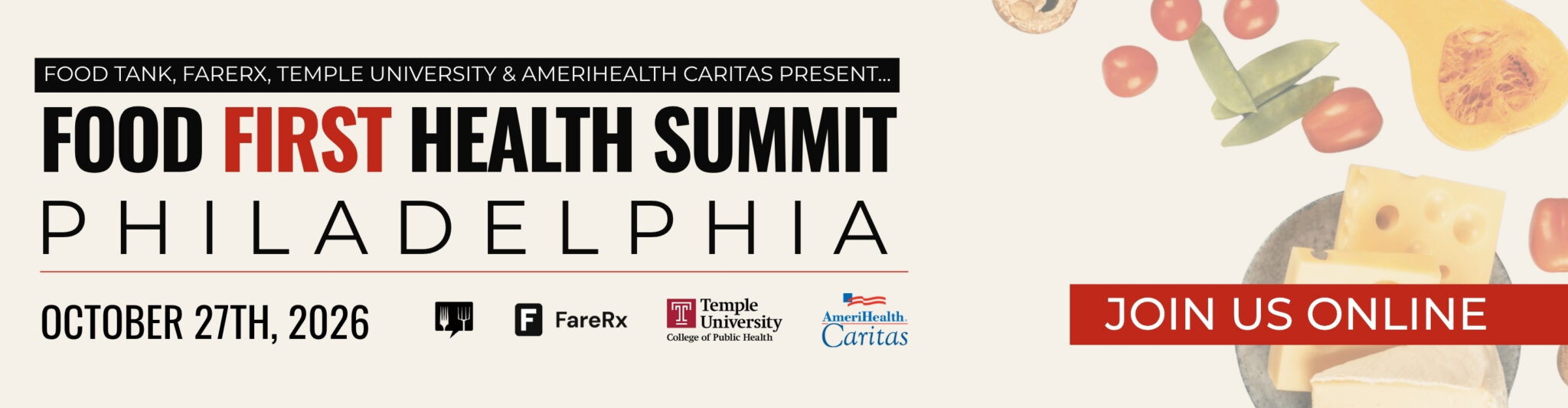
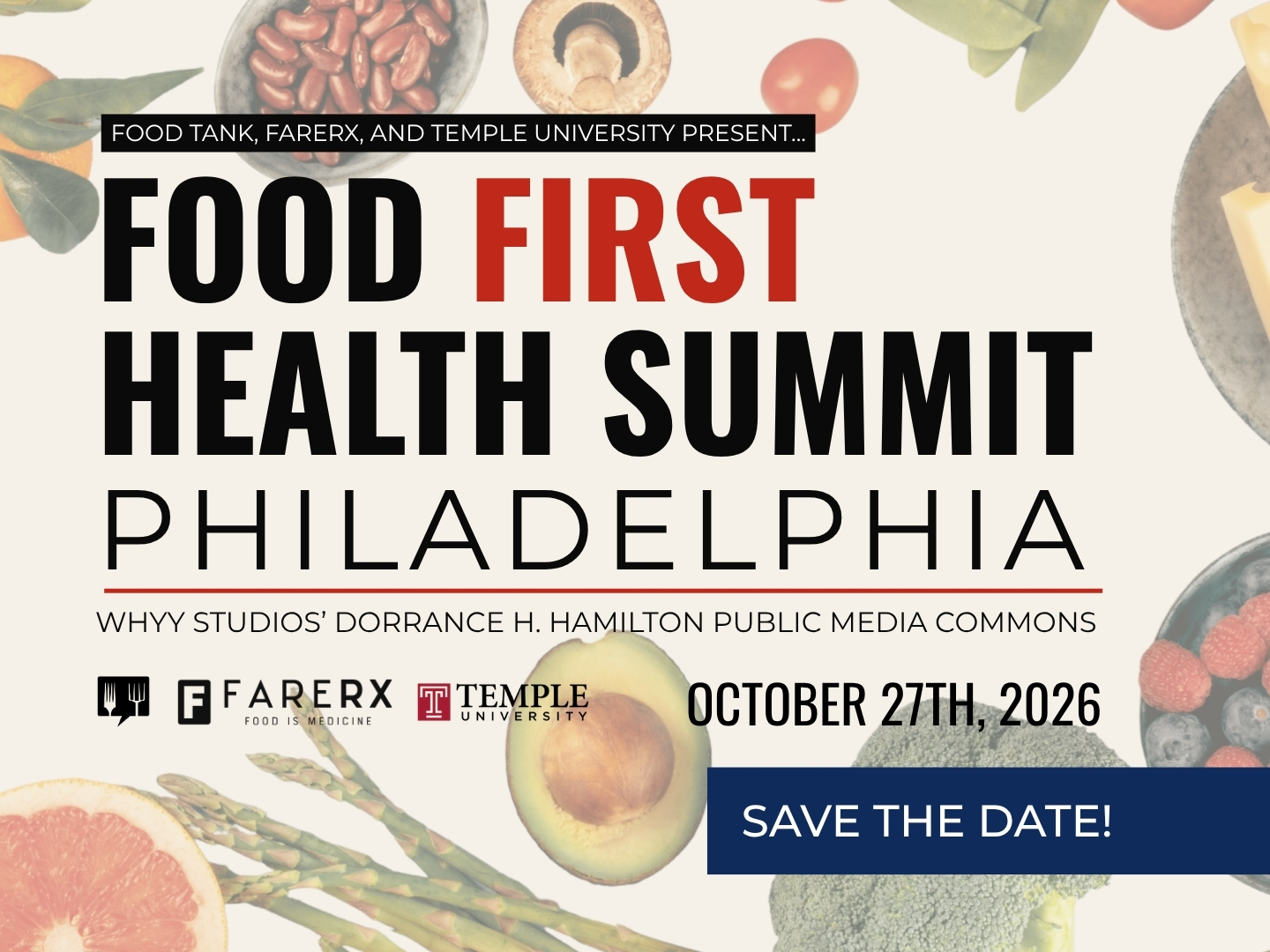
Food First Health Summit Philadelphia
Food Tank Virtual Working Group and Member Meeting
December 2026
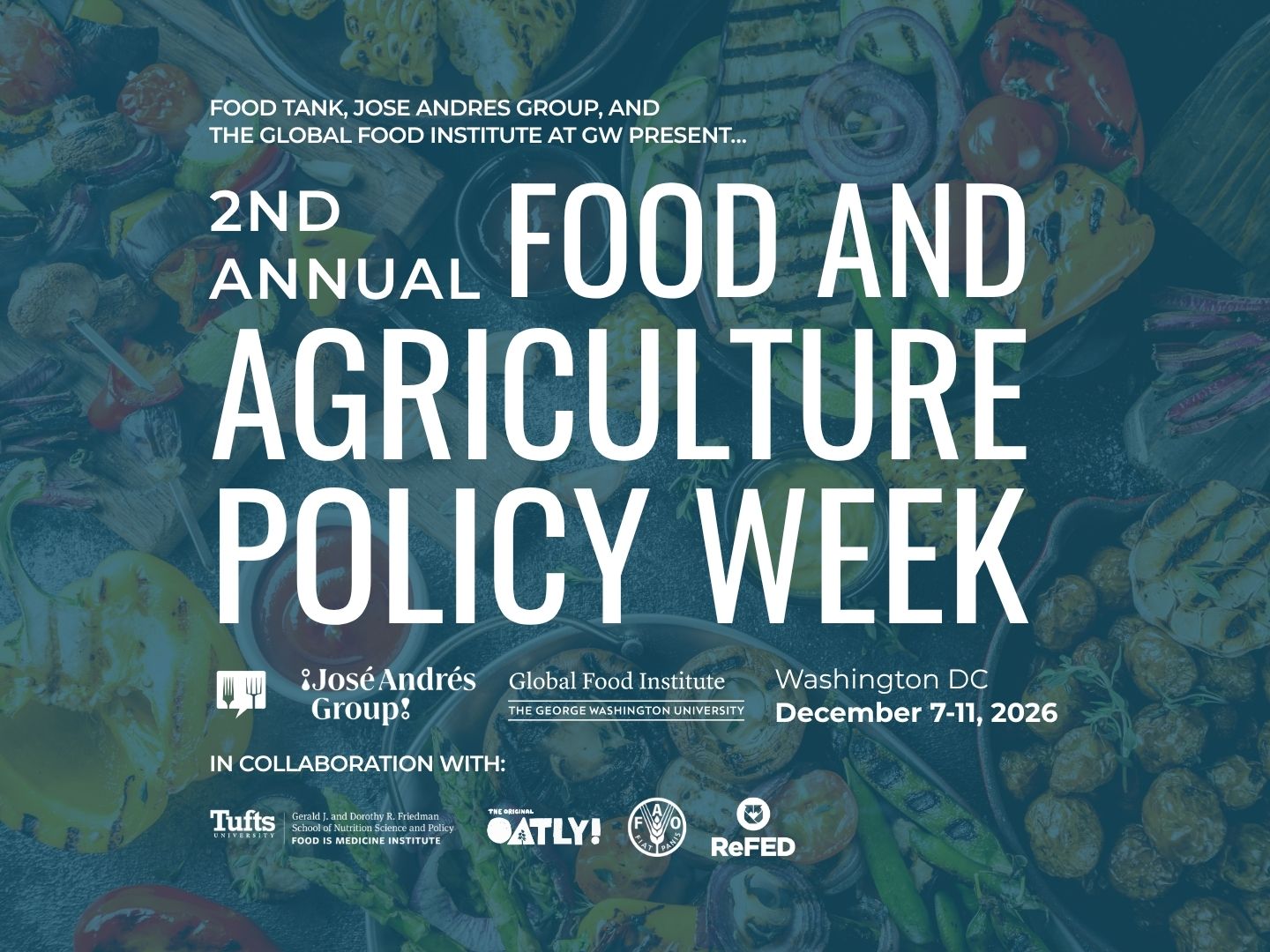
2nd Annual Food and Agriculture Policy Week