

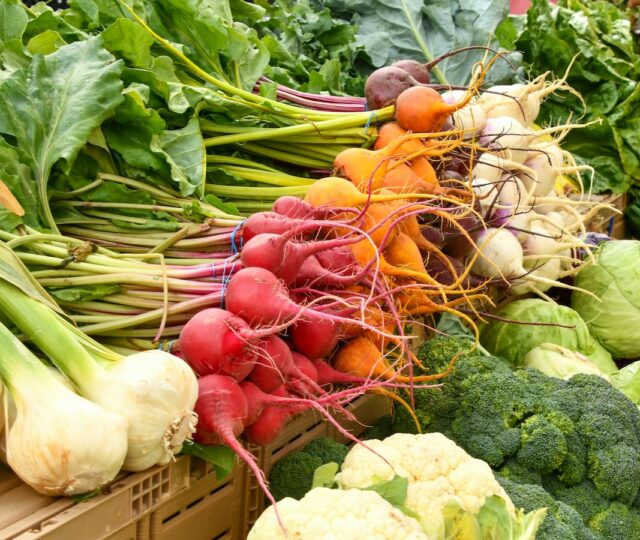


Farmers markets are more than places to buy fresh produce. They can also serve as economic engines and gathering places that strengthen communities.
Policy and Organizing

Raising A Toast To Food Politics Expert Marion Nestle On Her 90th Birthday
At Climate Week NYC, we threw a birthday celebration to honor the legendary food policy expert, writer, mentor, and friend—with cake included!
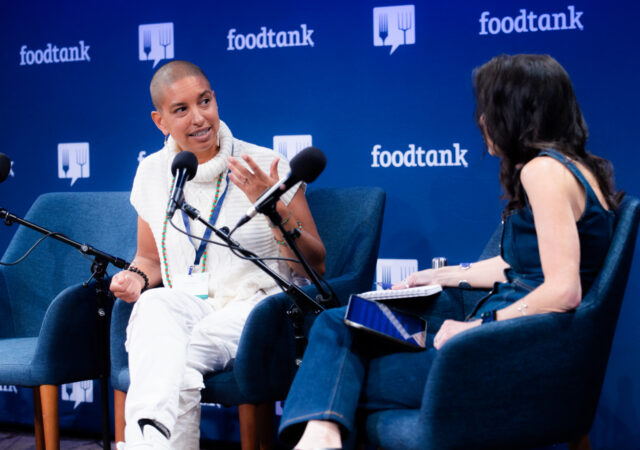
The Roots Of Organic Agriculture—And The Future Of Climate-Smart Food—Are Farmers
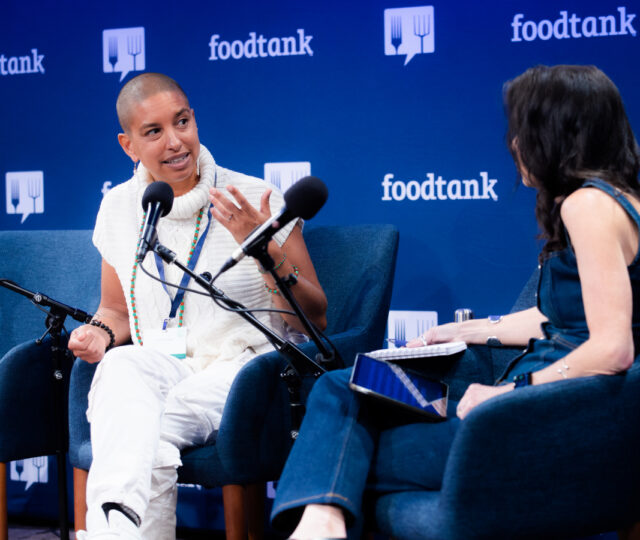
The organic movement can chart its collective path forward by continuing to place innovation and inspiration at the center, panelists said at Climate Week NYC.
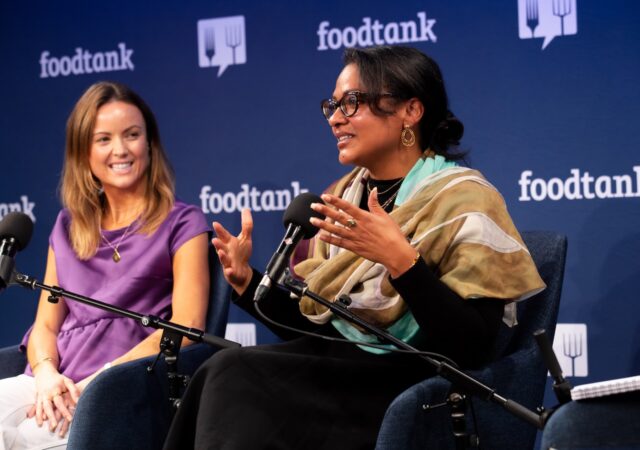
NYC Is Leading The Charge Toward People-Focused Urban Food Policy
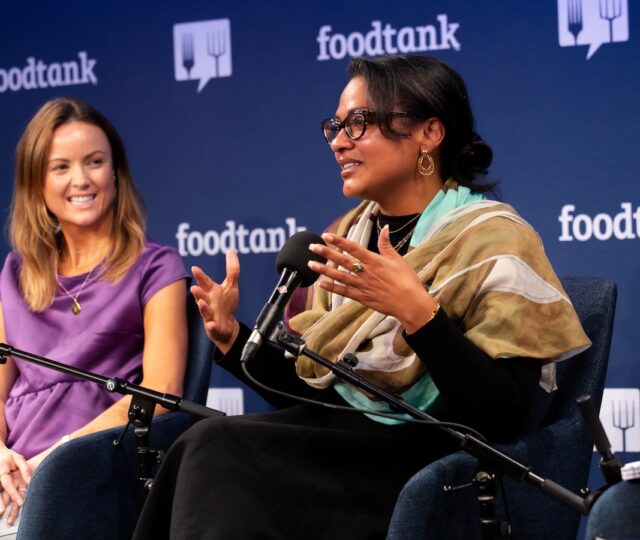
Public institutions can play a significant role in building a more inclusive food system and more flourishing, healthy, nourished neighborhoods, panelists said at Climate Week NYC.

Climate Week Puts New York City’s Food Future on the Menu
Food Tank will bring New York City food leaders together to explore a healthier and more equitable food future.
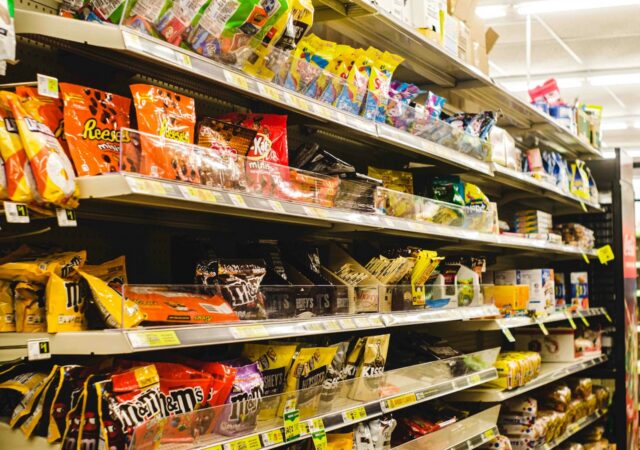
Defining Ultra-Processed Foods: From Evidence to Action
Policymakers can curb consumption of UPFs through labeling, taxation, and countermarketing campaigns.
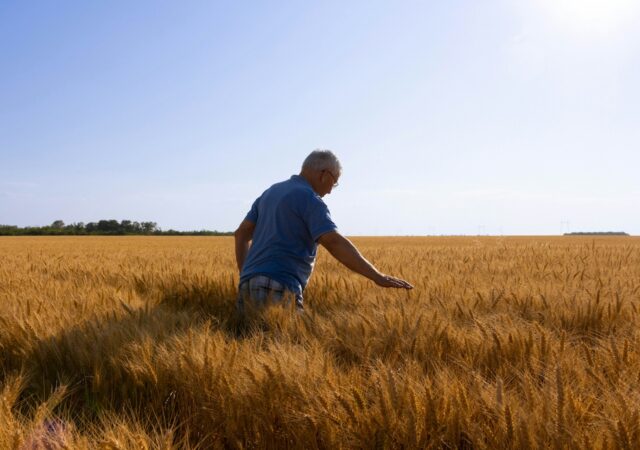
Food Tank’s Weekly News Roundup: Ecosystems Recovery, Aquifers Replenishing, and USDA’s Staffing Shortages
From a hopeful update on global land restoration to a troubling pause in reporting on three of the world’s hunger hotspots—here’s your weekly food news roundup.

Why Climate Resilience Is Worth the Investment
Ignoring climate solutions now comes at a far greater cost down the road.

O‘ahu Government Launches First Food Systems Plan
The Oʻahu Food Systems Plan, which has yet to receive City Council approval, proposes around 70 action items to guide local agencies for the next five years.
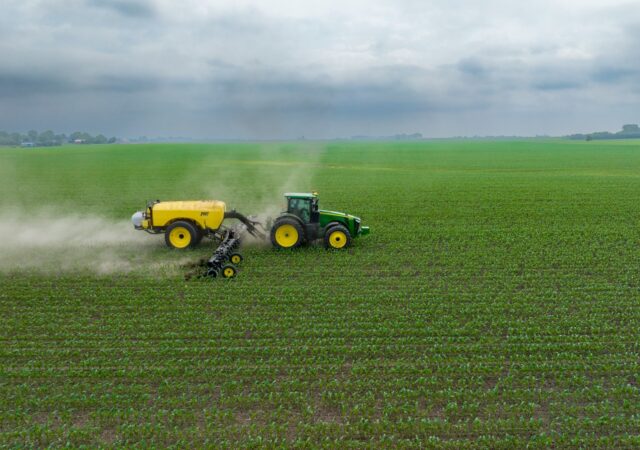
Food Tank’s Weekly News Roundup: Earthquake Recovery, Cutting Food Loss, Phasing Out Paraquat
NGOs support earthquake victims in Indonesia and Colombia, innovations help women fishers cut post-harvest losses, California phases out a toxic weedkiller.
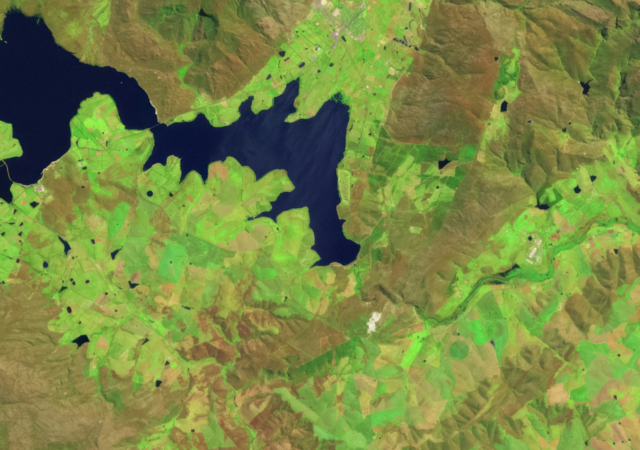
Big Data for Food and Climate Resilience in Africa: Digital Earth Africa Moves to icipe
icipe is using satellite data to improve regional food security and climate resilience.
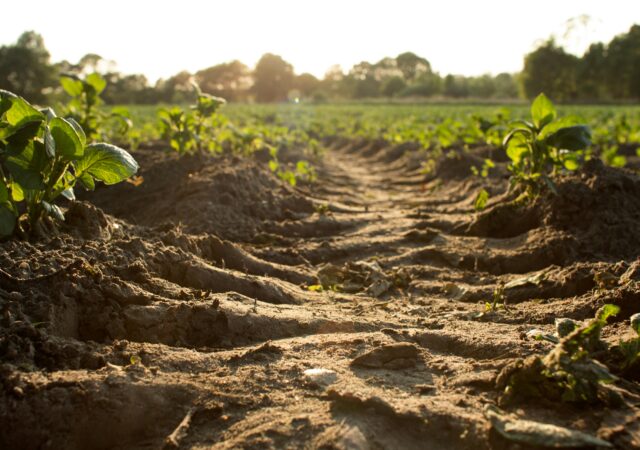
Food Tank’s Weekly News Roundup: Senate Farm Bill, Soil Microorganisms, and South-South Collaboration
The Senate Farm Bill fails to advance, newly discovered soil microorganisms show promise for sustainable agriculture, an extension model brings solutions for farming communities in Nigeria.

Data Centers Want Pennsylvania’s Farmland—This Bill Could Protect It
A GOP bill seeks to restrict data center construction on prime farmland as the rural state faces increasing pressure from developers.
Food Tank Explains: Food Justice
This primer on food justice explains how equitable food systems support food equity, worker rights, and self-determination.
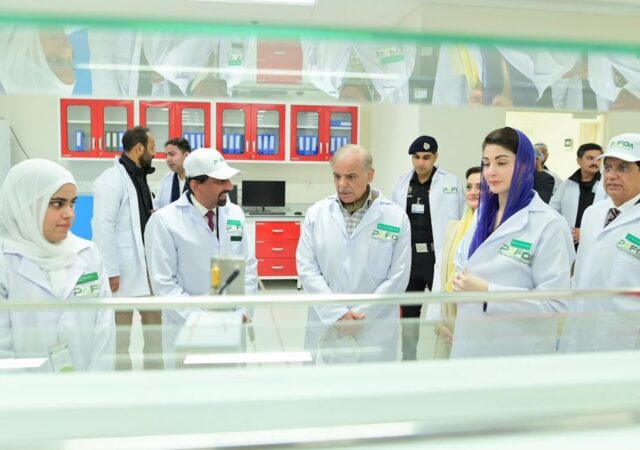
Pakistan’s Punjab Province Advances Food, Agriculture, and Drug Testing Under New Regulatory Authority
The new agency aims to strengthen food safety oversight and support agricultural exports through accredited testing.
After USAID, Who Will Fill the Agricultural Research Gap?
“I’m confident that we are seeing somewhat of a shift in the traditional donor support in the development arena that could have long-lasting positive impacts.”
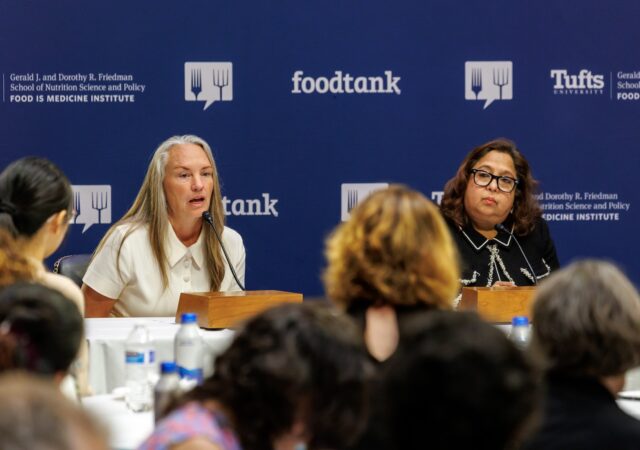
Experts Highlight the Power of Food to Improve Metabolic and Mental Health
“There’s a handful of policies that we could enact to both improve the science and improve the food right now for Americans.”
Food Tank’s Weekly News Roundup: Farmers Protest Toxic Pesticides, USDA Plans Threaten the Agency, Rodale Institute Invests in Agricultural Transformation
Farmers call to phase out harmful pesticides, new warnings emerge over USDA relocation plans, and Rodale Institute announces plans to transition 10 million acres of farmland.

Can Better Food Policy Improve Our Memories, Moods, and Metabolisms?
Join Food Tank on Capitol Hill as we talk about the science helping us understand the powerful connections between nutrition and nearly every component of human health.

Op-Ed | First We Subsidized Factory Farms. Now We’re Redesigning Animals for Them.
A new report warns that genetically engineered animals will deepen the harms of factory farming—just as the Senate debates the next Farm Bill.