
Massive loss of bee colonies, lower crop yields, and higher price tags at the grocery store are among the impacts industry experts anticipate following the closure of the United States’ largest bee research lab.
The U.S. Agricultural Research Service began shuttering Maryland’s Beltsville Agricultural Research Center (BARC) in late April and plans to relocate its programming elsewhere in the country, citing “outdated or underutilized” buildings. The center’s bee research lab is a global leader in bee health research and supports American beekeepers through free testing, disease management, and the development of pest control techniques.
The closure follows a few challenging years for American beekeepers, who lost around 60 percent of their colonies nationwide in 2024 and early 2025 to viruses spread by varroa mites, the nation’s dominant bee pest. At the time, researchers from the Beltsville Bee Lab traveled to several states to collect samples for analysis. In February 2025, the Trump administration fired thousands of U.S. Department of Agriculture (USDA) employees. Department officials also “prohibited” Beltsville researchers from sharing their findings with beekeepers, according to Dr. Jennie Durant, a food systems researcher at UC Davis and former USDA fellow.
“What was most frightening—and this is where we’re so scared about losing Beltsville—is that these mites were all resistant to the most commonly used pesticide that beekeepers use to control mites,” Durant tells Food Tank. “Beltsville Bee Lab is the number one lab that’s been helping beekeepers control mites.”
The lab, which has operated for over a century and has been in Beltsville since 1939, is best known for its Bee Disease Diagnosis Service, through which American beekeepers can submit samples of bees or brood comb and receive free disease analysis reports. As varroa mites continue to develop resistance to new pesticides and tropi mites—a newer pest in the U.S.—begin to decimate colonies, experts like Durant hope that the lab’s closure is reversed.
“Beekeepers are used to having the Beltsville Bee Lab on speed dial—and without having that lab with that particular specialization, they’re really concerned about who’s going to do that crisis intervention and support when they’re dealing with major pests and disease,” said Durant, who recently published a book on how industrial agriculture threatens bee health. “They don’t know who’s going to be their crisis support team anymore.”
For many beekeepers, pollination services make up half or more of their income. Bees, which Durant describes as the “gig workers” of American agriculture, are economic powerhouses that play an outsized role in the U.S. food system, pollinating crops worth around US$15 billion every year. Honey production also racked up US$353 million in 2025.
Each February, nearly all of the nation’s commercial bee colonies are transported to California for almond pollination. In 2024, Californian almond farmers alone spent over US$325 million on pollination services.
The lab’s closure may also create long-term impacts on food and agriculture systems, including small upticks in grocery costs. Though seemingly subtle, those increases can “have a real effect for disadvantaged communities,” she said, since bees pollinate a range of nutritious crops, such as almonds, blueberries and squash.
“One of the key dynamics that has happened already is that farmers are getting fewer bees, and there’s maybe a less robust crop or slightly lower yields,” Durant says. “Those lower yields and that scarcity that’s on the market is going to have a direct impact on consumers.”
In addition to mites, the survival of bee colonies is also threatened by several other challenges, including extreme weather caused by climate change, poor nutrition as a result of biodiversity loss, and exposure to certain agrochemicals.
Maryland lawmakers in April described the BARC’s closure—part of the USDA’s larger reorganization plans—as “illegal,” claiming that it violates provisions of the Agriculture Appropriations Act for fiscal year 2026. This also follows the Trump administration’s proposal to defund the U.S. Geological Survey’s Ecosystems Mission Area program, which supports a key research center for bees in North Dakota, according to Durant.
Durant encourages consumers to tell their legislators about the importance of the lab’s research efforts, and when possible, buy organic to support farms where bees face less exposure to agrochemicals. She also warns that following a recent survey of USDA employees slated for relocation—of which 76 percent said they would not continue with their jobs—the BARC’s relocation will strip beekeepers and farmers of critical expertise.
“Researchers are truth-tellers, and truth-tellers provide data that does not match the agenda of this administration,” Durant tells Food Tank. “Most people are not going to move. Even though they love their jobs and they want to serve the community, it’s just not an option for them, and the administration knows that.”
Articles like the one you just read are made possible through the generosity of Food Tank members. Can we please count on you to be part of our growing movement? Become a member today by clicking here.
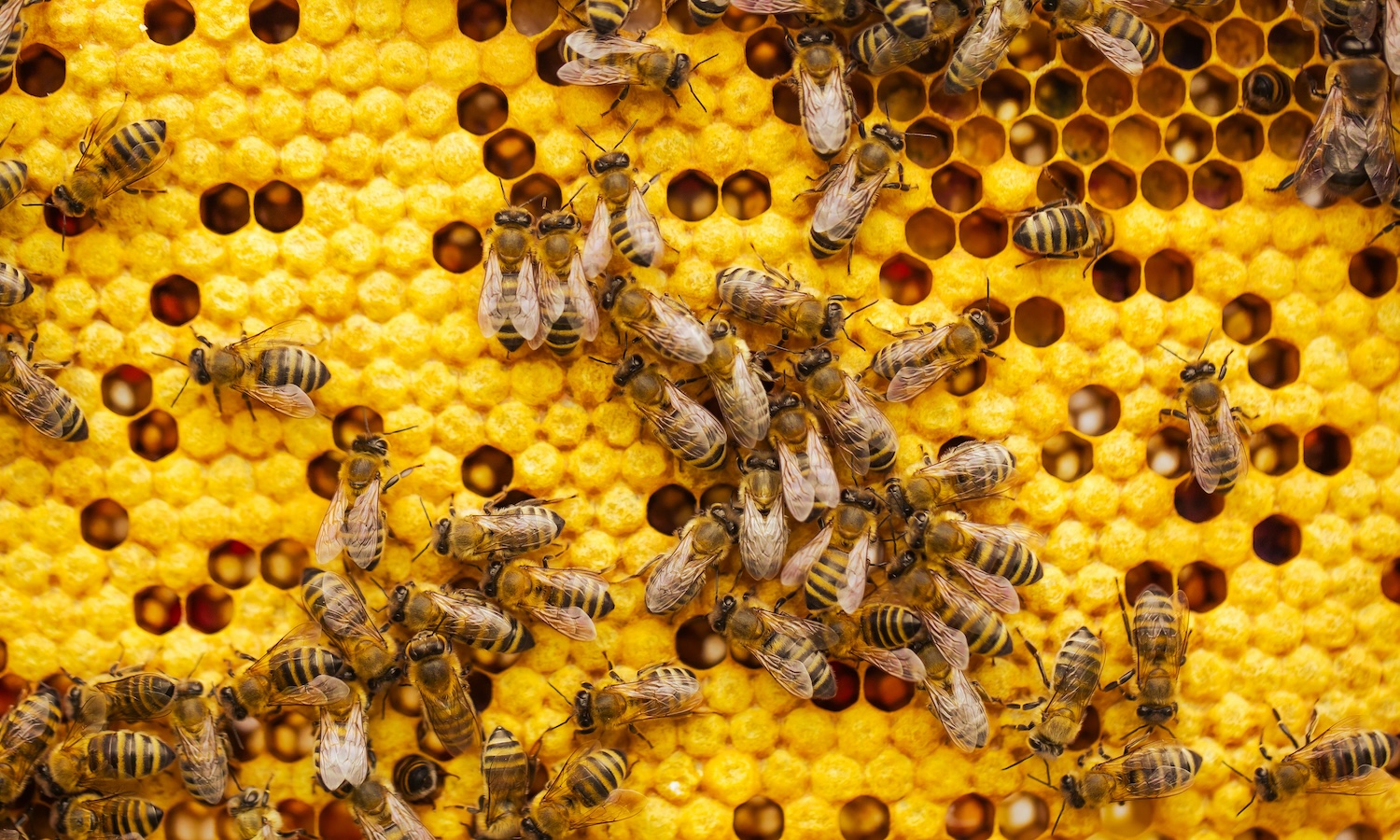
Photo courtesy of Simon Kadula, Unsplash