Food to Power is working to expand food access, food and education, and food production to create a more equitable food and agriculture system in the greater Colorado Springs region.
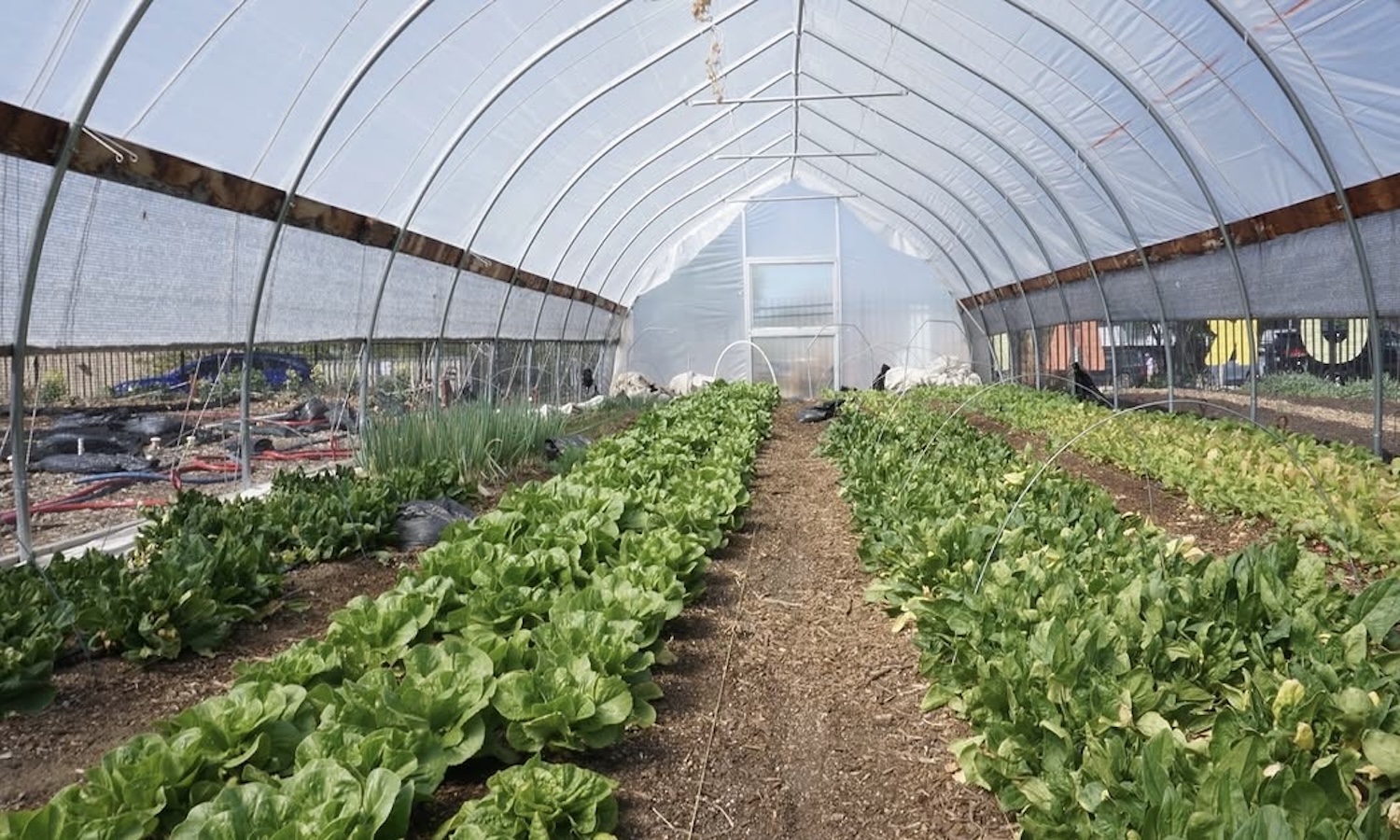
What started as a food recovery organization in 2013 has evolved into much more. The nonprofit operates a no-cost grocery program, runs a quarter-acre farm to grow produce that they sell at a local farmers market, and organizes a youth internship program. They also engage in policy advocacy to advance legislation that builds healthier and more equitable food and agriculture systems and they collect food scraps to turn into compost.
The goal is to create a healthier food ecosystem, Patience Kabwasa, the organization’s Executive Director explains. “We’re really taking food and transforming it, regenerating it into power through everything that we do.”
A key part of this work is reclaiming land stewardship practices. Their Hillside Hub sits in a historically Black neighborhood in the southeastern part of Colorado Springs, where residents may have become disconnected from agricultural roots.
“Being able to have a space where you’re able to learn and produce in a way that benefits yourself and your community is really important to us as an organization,” Kabwasa tells Food Tank.
Food to Power, like many nonprofits in the United States, have experienced challenges in the face of recent funding cuts and canceled grants. The U.S. Environmental Protection Agency had awarded them a US$350,000 regional environmental justice grant—but last year they learned the funds were no longer available.
“We had to absorb that, which was a huge blow,” Kabwasa says. “So we really had to think about what our core programs and how we get food to people.”
The news also pushed Food to Power to think differently about expansion strategies and diversifying their budget to become less grant-dependent. “We need to be able to navigate this time for the foreseeable future,” Kabwasa says.
New partnerships offer one way forward as they scale their composting work, a source of income for the organization. And even with limited resources, Food to Power’s program reached 44,000 households last year—a 34 percent increase from the year before.
“We’re moving through and we are being generative in this time of difficulty,” Kabwasa tells Food Tank, “and really taking it as an opportunity to just root down even deeper and build across the region.”
Listen to or watch the full conversation with Patience Kabwasa on Food Talk with Dani Nierenberg to hear more about how Food to Power is co-creating solutions with their neighbors, Kabwasa’s journey into food justice work, and the policy wins that the organization helped make happen.
Articles like the one you just read are made possible through the generosity of Food Tank members. Can we please count on you to be part of our growing movement? Become a member today by clicking here.
Photo courtesy of Food to Power