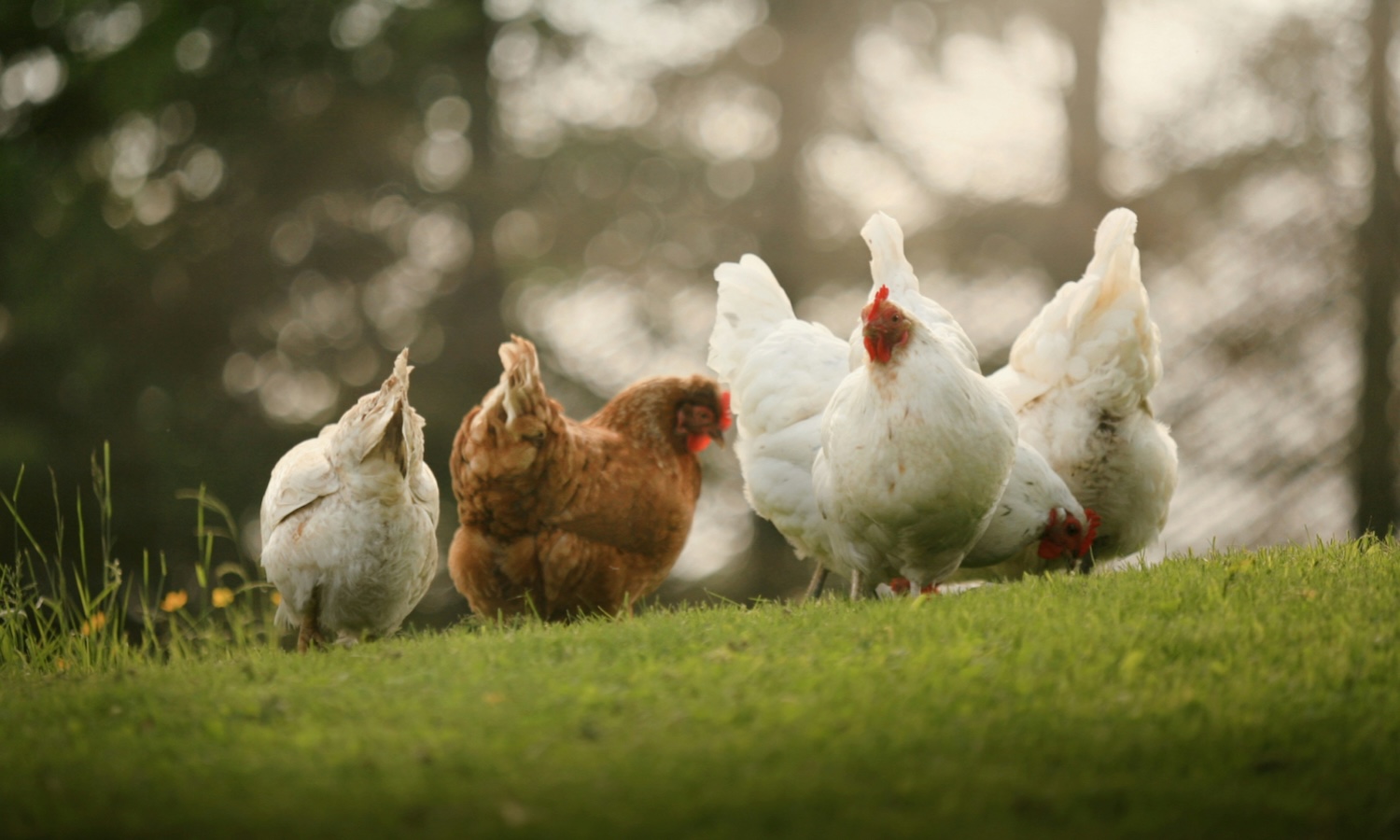
Mill Industries and Amazon are partnering to keep grocery store food waste out of landfills. Mill’s recycling systems will roll out in Whole Foods Market stores in 2027, turning discarded food scraps into chicken feed for the retailer’s private-label egg suppliers.
The Mill grounds will make up 5 to 10 percent of suppliers’ total feed, and Whole Foods hopes to offer it at a lower cost than traditional feed, says Caitlin Leibert, Vice President of Sustainability at Whole Foods Market. The pilot will begin in the produce department, but Leibert notes the opportunity for expansion to other food waste streams. Whole Foods is working closely with farmers and cross-functional teams to validate the model and prepare for launch.
According to ReFED, food retailers in the United States generated an estimated 4.63 million tons of surplus food, worth US$30.3 billion. Despite donation and composting pathways, nearly 30 percent of that food ended up in landfills or incinerators.
Mill Co-Founder & President Harry Tannenbaum sees both an economic and environmental opportunity in reducing retail-level food waste. He tells Food Tank, “When we waste food, we’re wasting the water, energy, labor, land, and time it took to grow it, along with the opportunity to put those resources to better use. Tackling this issue head-on is a massive opportunity for impact.”
ReFED estimates that only 11.4 percent of surplus food was repurposed for animal feed. Adoption has been constrained by food safety concerns, logistical complexity, and limited infrastructure. But with proper processing, food waste can be converted into safe, nutritious, and cost-effective animal feed.
In South Korea, government-supported operations help divert more than 90 percent of the country’s food waste and turn over 42 percent into animal feed. “That really shows that with the right infrastructure, regulatory frameworks, monitoring systems, and government investment, you can manage some of the risks,” Sharyn Murray, Director of Impact Capital Programs at ReFED, tells Food Tank.
There is a common misconception that waste-feeding reduces production or compromises quality, says Ryan Martens, Livestock Director at Stone Barns Center for Food and Agriculture in New York. But the Center has operated a waste-feeding program for over a decade, and Martens reports they have not seen any decline in lay-rate or hen health. “We do blind tastings with the chefs and farmers and consistently the waste-fed eggs score higher on flavor compared to premium supermarket options,” he tells Food Tank.
Martens says that many farmers in the U.S. practice waste-feeding, but they must individually source, process, and formulate the feed. “In order for the U.S. to implement waste-feeding projects on a larger scale, we need to start formalizing and creating efficient processes for collecting, processing, and balancing waste-feeds,” he says.
Processing waste directly in stores could ease some of the logistical constraints that have limited waste-to-feed programs. Tannenbaum notes frequent collection and downstream management at centralized processing facilities as challenges Mill could help address. “By embedding decentralized infrastructure within stores, we can enable new recycling pathways that would have otherwise been economically or logistically inconceivable,” he says.
While preventing waste and donating food remain the best options for reducing hunger, converting unavoidable scraps into feed may become an increasingly important option for retailers.
Mill’s recycling systems are designed to turn discarded scraps into feed while helping stores identify and prevent waste upstream. The technology uses AI and computer vision to track waste types and volumes in real-time, offering retailers insights into inventory losses and waste drivers. “It’s not about simply processing food waste—it’s to prevent it from happening in the first place,” says Tannenbaum.
Murray emphasizes that retailers like Whole Foods occupy a unique position in the food value chain. “They are an important intersection point,” she says. “They’re connected to their suppliers, consumers, and ultimately to the farmers.”
If waste-feeding expands, it could reshape feed supply chains and improve margins for farmers. And the environmental upside may be substantial. In the U.S., decomposing food waste in landfills contributes greenhouse gas emissions equivalent to the annual emissions of 15 coal-fired power plants. “Even something as small as a 5 percent substitution of conventional feeds with waste-feed would take the burden off of millions of acres of corn and soy production while removing millions of pounds of food waste from our landfills in returning that food waste back to the soil,” Martens tells Food Tank.
“The reality is, this really isn’t waste at all,” Leibert tells Food Tank. “It’s a super valuable, nutrient-rich commodity.”
The project’s results may serve as an example for the industry’s potential to make waste-to-feed systems viable at scale, and to reframe the narrative around food waste.
“It’s an exciting opportunity to put a circular model on display,” Leibert says. “Nature and climate don’t work in a silo, and neither should we.”
Articles like the one you just read are made possible through the generosity of Food Tank members. Can we please count on you to be part of our growing movement? Become a member today by clicking here.
Photo courtesy of Kristin O Karlsen, Unsplash