Recent data from SPINS reveal that Regenerative Organic Certified products are seeing significant growth, with the number of buyers increasing 22 percent year over year. Contributing to this momentum, Patagonia Provisions is developing food and beverages that support environmental sustainability.
Industrialized agriculture “is a fossil fuel based farmland system,” Paul Lightfoot, Patagonia Provisions’ General Manager. He prefers to call the products that come from this “fossil foods.”
The brand is on a mission to prove that these don’t have to be the norm by developing products that are sustainable, delicious, and support the company’s bottom line. Offerings include crackers made from Regenerative Organic Certifiied (ROC) wheat along with bison sticks and tinned fish.
“It’s all showing that we could be commercially successful with these products that make things better instead of worse,” Lightfoot says.
Not everything has done well in the marketplace, Lightfoot acknowledges. At times, the brand has leaned too far into stories of environmental impact without meeting eaters’ preferences.
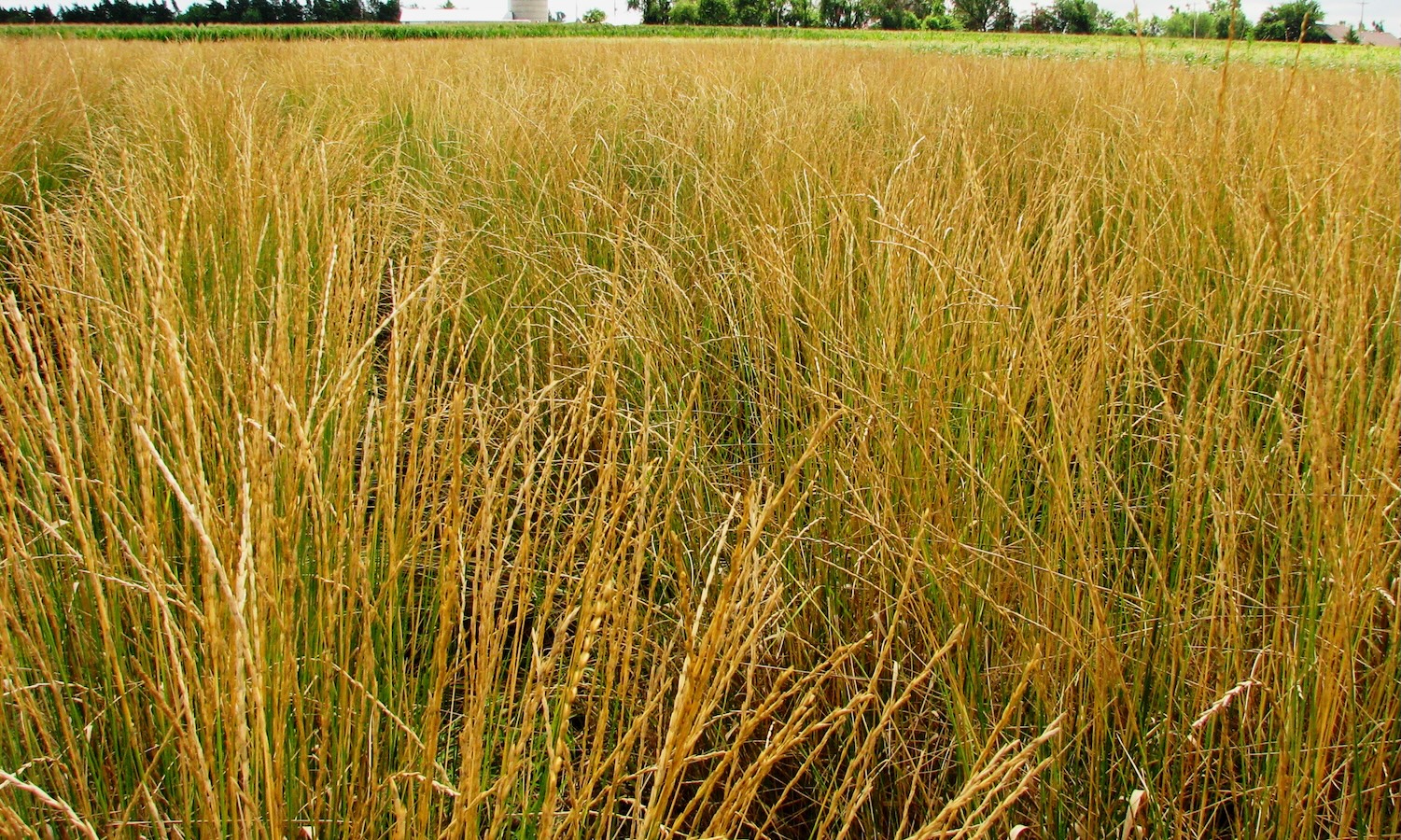
Kernza, a perennial grain with a strong root system that boosts soil health, is an attractive ingredient for the company. But yields are lower than alternatives like wheat, which can make products made from the grain more expensive.
When Patagonia Provisions developed pasta made from Kernza, employees loved it. But it came with a premium price and didn’t suit the lifestyles of their customers, who are often looking for foods they can enjoy outdoors. Ultimately, it was discontinued.
Still, they have reason to believe in Kernza. Lightfoot reports that the Patagonia’s beer varieties made from the grain are doing well, and he’s excited by the success. And although it will likely be be another decade before it reaches yield parity with wheat, the Land Institute is working to make that a reality.
It’s “a really long bet,” Lightfoot tells Food Tank, but Patagonia Provisions is prepared to make investments like these. “We’re willing to do things that are risky and hard…We feel like it’s on us to do things that others won’t do that we think will work.”
Watch the full conversation with Paul Lightfoot on “Food Talk with Dani Nierenberg” to hear more about why a clothing company got into food and agriculture, greenwashing, and getting people excited about products that are better for the planet.
Articles like the one you just read are made possible through the generosity of Food Tank members. Can we please count on you to be part of our growing movement? Become a member today by clicking here.
Photo courtesy of Dehaan, Unsplash