The U.S. Department of State recently announced eight Feed the Future Innovation Labs to advance agricultural research and development. It marks the revival of programs previously funded by the U.S. Agency for International Development (USAID), but many of the original labs will not return.
The Innovation Labs, led by land-grant universities in Kansas, Alabama, Florida, Georgia, Hawaii, Mississippi, and Washington State, will receive a combined US$72 million in funding from the State Department. Research will focus on issues including animal health, fish, soil fertility, sustainable intensification, and crops including cereals, coffee, and cacao.
At the University of Florida’s new Innovation Lab for High Value Crops—Safeguarding Agriculture, Food, and Economy (SAFE)—researchers are welcoming the investment.
“The State Department’s efforts recognize the vital role of land-grant universities in addressing agricultural threats before they reach U.S. farms and strengthening the food supply chains on which American families depend,” Juan Andrade Laborde, an Associate Professor of Global Nutrition at the University of Florida, and a member of the SAFE Lab, tells Food Tank.
Prior to its dismantling, the U.S. Agency for International Development funded 17 Feed the Future Innovation Labs to strengthen global food security and expand U.S. agricultural markets. These centers worked with research institutions domestically and abroad to tackle challenges facing crop production, soil health, water quality, livestock, and more.
“We were drawing from U.S. advanced capabilities from across the country. It was quite impressive,” Jerry Glover, the former Lead for Agricultural Research Strategy and Budget at USAID, tells Food Tank. He argues this work improved U.S. food and agriculture systems while building the capacity of other countries.
But in early 2025, almost all of the Innovation Labs received notice that their funding had been terminated, forcing them to close or rethink their strategy.
“It was overnight,” Peter Goldsmith, a Professor at the University of Illinois Urbana Champaign and Director of the Soybean Innovation Lab, tells Food Tank.
Just one lab, originally known as the Climate-Resilient Cereals Innovation Lab at Kansas State University (KSU), was allowed to continue its work. It has since been renamed the Innovation Lab for Cereals and is one of the eight included in the State Department’s announcement. KSU will also lead a second Innovation Lab on sustainable intensification in agricultural systems.
Among the remaining awards from the State Department, three will go to institutions that previously served as homes to Innovation Labs. These include the University of Florida, Mississippi State University, and the University of Georgia.
The new Innovation Labs are not a direct replacement for those that closed, however, argues Marcus Glassman, Director of Governmental Affairs for Agriculture and International Development at the Association of Public and Land-Grant Universities. “It’s not just that research stalled; it’s that the 16 other labs were outright canceled. So we lost those projects entirely,” he says.
But Laborde is hopeful that the new labs can build on the legacy of past research programs under USAID. “Previous Innovation Labs developed valuable scientific knowledge, trained researchers and established lasting partnerships,” he tells Food Tank. “Some members of those labs are participating in SAFE, bringing experience, expertise, and relationships that will help connect earlier research with the priorities identified by our partners.”
Articles like the one you just read are made possible through the generosity of Food Tank members. Can we please count on you to be part of our growing movement? Become a member today by clicking here.
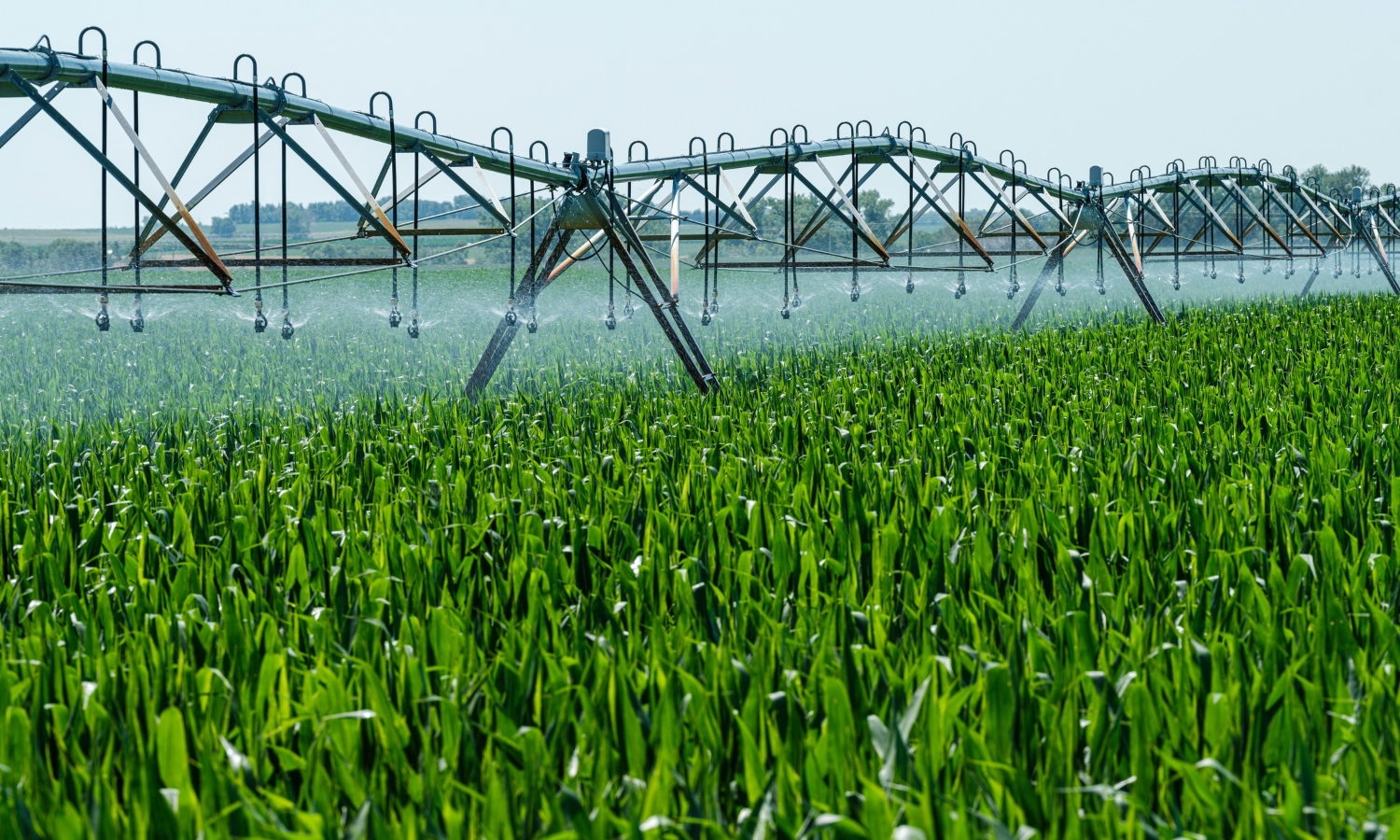
Photo courtesy of Lumin Osity, Unsplash