When the United States shuttered the U.S. Agency for International Development (USAID) last year, programs building climate resilience were terminated. The loss is pushing climate experts to consider how to fill the gaps and keep this essential work going.
USAID invested in a range of adaptation and mitigation efforts, from drought-resistant crops to the restoration of forests that protected against storm surges, explains Alice C. Hill, the David M. Rubenstein Senior Fellow for Energy and the Environment at the Council on Foreign Relations.
The funding required was “modest” compared to the federal budget, she tells Food Tank, but this work had “lasting consequences in terms of helping communities remain stable.” But when the agency was dismantled, nearly all projects related to climate suddenly disappeared.
“I think it comes at a high cost overseas when we cut these programs,” Hill says. “It comes at a high cost to our preparations here, and it also comes at a high cost of our standing in the world as scientific leaders.” Annual losses from physical climate risks may total as much as 5 percent of the global GDP by 2050, according to S&P Global.
“We need to make choices now to keep ourselves safer,” Hill tells Food Tank. That means investing more, not less, in climate solutions like early warning systems and infrastructure improvements to lessen the blow. “It’s simple measures—comparatively—taken on the ground that leave people in a better place.”
Despite the challenging political environment, Hill remains optimistic that this will be possible. “And that’s a good thing,” she says. “We should all be optimists. It helps us deal with these things.”
Everyone feels angst, Hill believes, but tackling these urgent challenges head on can help keep it at bay. “One of the things about working on catastrophic risk is the ability to be involved with something that matters…working with people trying to find solutions brings me great joy,” she tells Food Tank. “That gives me meaning.”
Listen to the full conversation with Alice C. Hill on “Food Talk with Dani Nierenberg” to hear more about how we move forward after the loss of USAID, why trust lies at the heart of successful solutions, and what the COVID-19 pandemic can teach us about building resilience to the climate crisis.
Articles like the one you just read are made possible through the generosity of Food Tank members. Can we please count on you to be part of our growing movement? Become a member today by clicking here.
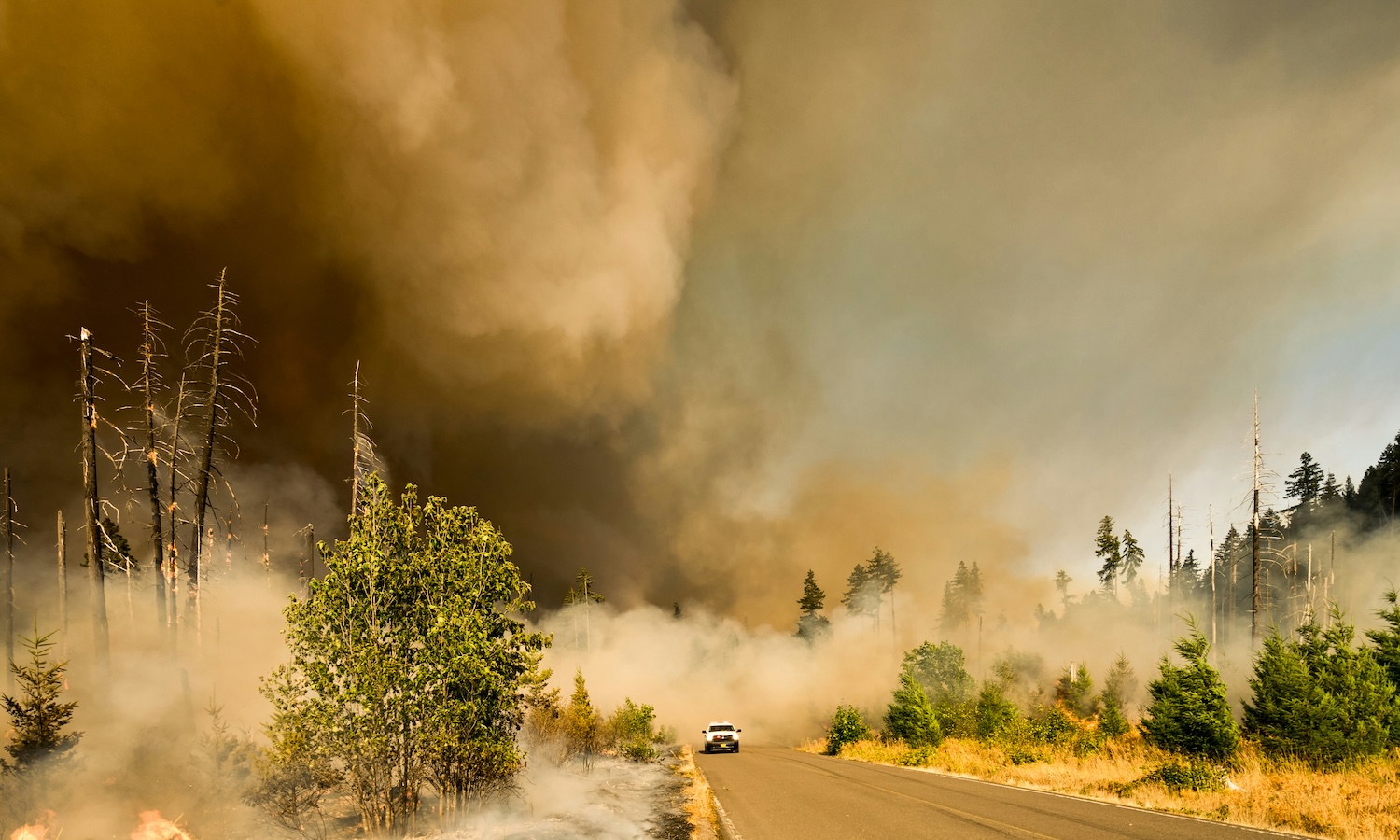
Photo courtesy of Marcus Kauffman, Unsplash