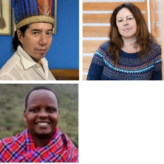
For Indigenous Peoples, food is more than sustenance. It connects us to ancestral lands and waters, those who came before us, and generations yet to come. Across Kenya’s Maasai rangelands, the waterways of Aotearoa New Zealand, and Mexico’s ancestral farming landscapes, our traditions differ. Yet we share a conviction: food systems cannot be healthy when the relationships sustaining them are broken.
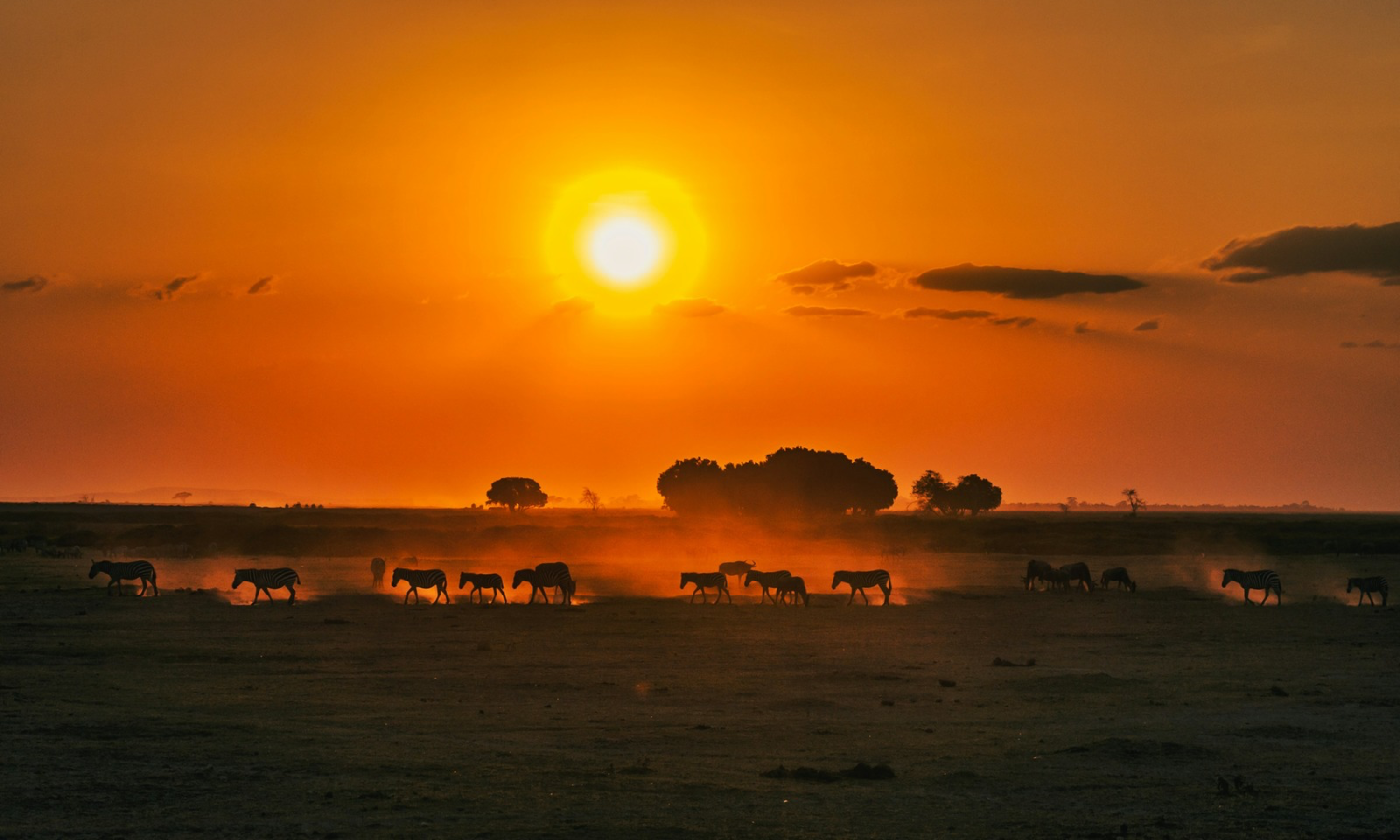
For Maasai communities, pastoralism is a way of life shaped by generations of knowledge and care for nature. Land, livestock, water, and people are inseparable. Healthy grass and soil sustain cattle and families; water sustains herds and wildlife. Restoring rangelands means sustaining cultural identity and responsibilities passed between generations, not merely increasing production.
In Aotearoa, the Māori word kai carries relationships with land, waterways, and living creatures. Through genealogy, we understand ourselves as kin within the natural world. Customary practices teach us to take only what is needed and honour what is given. Returning the first catch to the ocean, for example, acknowledges both the privilege and responsibility of gathering food.
Among Otomí–Toltec communities in Mexico, seeds are blessed before planting, recognizing spiritual relationships within the milpa, where maize grows alongside other crops. Sacred maize is adorned with flowers as it matures; harvest is an occasion to thank Mother Earth. Cultivation, natural fertilizers, ceremony, and teaching children keep these relationships alive.
These are not traditions frozen in time. They are living approaches to biodiversity, nourishment, and adaptation. Yet climate disruption, ecological degradation, and decisions made far from Indigenous territories threaten their continuity.
In September, we joined the first Global Conscious Food Systems Summit in Bhutan. The gathering challenged participants to consider not only what food systems produce, but how values, relationships, and power shape decisions. Science, technology, and investment matter enormously. But they cannot deliver transformation while decision-makers remain disconnected from communities and the consequences of their choices.
In Kenya, the proposed Oramatiei le Nd’aa initiative in Kajiado County offers one possible path: elders, women, and young people working together to renew food traditions and restore rangelands. It remains a proposal, not a completed success story. Its promise depends on communities directing what happens next.
International recognition of Indigenous knowledge has grown, but recognition without rights or authority is insufficient. We are rights-holders, not simply stakeholders invited to comment after decisions have been made. The United Nations Declaration on the Rights of Indigenous Peoples affirms rights to self-determination, lands, resources, and participation in decisions affecting us.
The stakes are tangible. In Mexico, Green Revolution-era agricultural policies promoted synthetic fertilizers and production models that disrupted traditional ecological knowledge and contributed to pollution, soil degradation, and losses of biocultural heritage. Protecting this heritage requires Indigenous Peoples to exercise genuine authority over policies affecting their territories.
Meaningful collaboration begins before a project is designed. It requires respect for rights and consent, resources for community-led priorities, and a willingness by governments, businesses, and institutions to share power. Knowledge cannot be separated from the peoples who hold it or the cultural and spiritual relationships sustaining it.
Bhutan’s call to lead, think, and invest differently offers a practical direction. Lead differently by listening with humility and sharing decisions. Think differently by recognizing Indigenous ways of knowing alongside scientific research. Invest differently by directing resources towards community-defined priorities, territorial stewardship, and cultural continuity, with accountability to rights-holders.
These commitments must be visible beyond conference halls: in policies shaped with Indigenous Peoples, collaborative research, protection of territorial and food sovereignty, and finance that reaches communities without demanding control over their futures.
As the world confronts climate change, biodiversity loss, and food insecurity, success cannot be measured by yields and markets alone. We must also ask whether rivers remain healthy, soils regenerate, livestock and wildlife thrive, cultures flourish, and children inherit the means to feed themselves.
We do not speak for every Indigenous community, nor are our experiences interchangeable. But across our homelands, we know food is a relationship, not merely a commodity. The question is no longer whether Indigenous Peoples can contribute to the future of food. It is whether those shaping that future are prepared to act as genuine partners—and make room for us to lead.
Articles like the one you just read are made possible through the generosity of Food Tank members. Can we please count on you to be part of our growing movement? Become a member today by clicking here.
Photo courtesy of Sammy Wong, Unsplash