Each week, Food Tank is rounding up a few news stories that inspire excitement, infuriation, or curiosity.
Medically Tailored Groceries Improve Health Outcomes
A new peer-reviewed study published in the journal Preventing Chronic Disease looked at patients receiving free, plant-based medically tailored groceries from a food pantry connected to a community health center.
The groceries include fruits and vegetables, beans, whole grains, and foods like nut butter. Researchers found that people who received more of the grocery packages had improvements in diastolic blood pressure, weight, and BMI.
This was an observational study, not a randomized controlled trial, meaning the researchers can’t say the groceries caused those improvements. And they didn’t find significant overall improvements in systolic blood pressure or blood sugar. But the findings are encouraging they’re another reason to keep studying what happens when nutritious food is more accessible.
Food is Medicine isn’t a new idea. Indigenous communities and cultures around the world have understood the connection between food and health for centuries. What’s changing is that the healthcare system is finally beginning to catch up.
Food Scrap Collection Services Grow
The Associated Press reported this week on the growth of small food-scrap collection services across the United States.
In Detroit, the company Scrap Soils collects coffee grounds, eggshells, vegetable scraps, and other food waste from homes and businesses and turns it into compost for farms and gardens. And this isn’t happening only in Detroit. There are now more than 400 food waste collection programs around the country including in Baltimore.
Food waste is often framed as an enormous, almost impossible problem.But solutions don’t always need to be so big. They can be a truck, buckets, a compost pile, and people who understand that what we call waste can actually be a resource.
Companies Fail to Grasp Supply Chain Vulnerabilities Caused by Climate Change
A recent analysis from the Food and Land Use Coalition is warning that many of the world’s biggest food companies still don’t fully understand how vulnerable their supply chains are to climate change.
Companies may model drought or extreme heat, for example, but don’t account for what happens when drought, wildfire, pests, deforestation, and water shortages start interacting with one another. And that’s increasingly the world farmers are operating in.
Climate change doesn’t arrive one problem at a time. That’s why resilience isn‘t just about developing a new technology. The world needs healthier soils, more diverse farms, better water management, better data, and supply chains that aren’t built around the assumption that tomorrow will look like yesterday. And companies need to invest in that resilience alongside farmers, not simply push the risk down the supply chain.
FAO Pushes for Investment in Dryland Forests
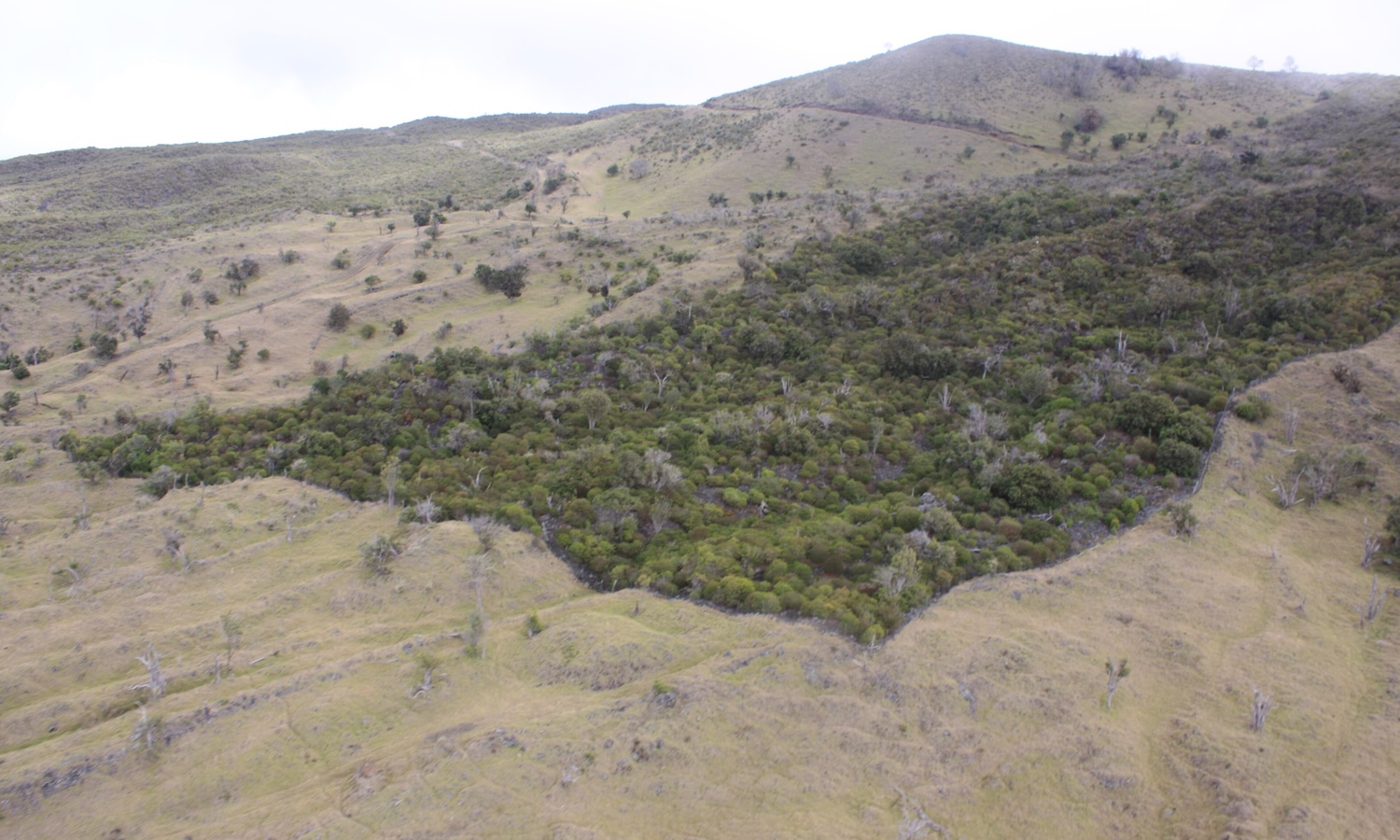
The U.N. Food and Agriculture Organization is highlighting the need for more funding to support the world’s dryland forests.
These landscapes support communities, livestock, biodiversity, and food production, but they’re under enormous pressure from climate change, degradation, and unsustainable land use.
This is sometimes forgotten when talking about food systems. Food doesn’t begin and end on a farm. Forests are part of our food and agriculture systems. Water is part of our food system. Biodiversity is part of our food system. Protecting those resources isn’t separate from feeding people. It’s fundamental to it.
African Union Calls for Support for Climate-Resilient Seeds
The African Union is calling for greater investment in affordable, high-quality, climate-resilient seeds as countries across the continent confront drought, floods, rising temperatures, and growing food insecurity.
But there’s an important distinction here. Innovation shouldn’t mean telling farmers that everything they’ve been doing is wrong and handing them a new technology. Farmers already hold extraordinary knowledge about their crops, their soils, and their communities.
The best innovation happens when researchers, policymakers, businesses, and farmers work together—combining that knowledge with new tools and making sure farmers actually have access to them. Because the goal isn’t technology for technology’s sake. It’s helping farmers grow food, earn a living, nourish their communities, and become more resilient in a climate that is changing faster than any of us would like.
Articles like the one you just read are made possible through the generosity of Food Tank members. Can we please count on you to be part of our growing movement? Become a member today by clicking here.
Photo courtesy of Arthur Medeiros, Wikimedia Commons