I wasn’t planning to go to COP31, the United Nations Climate Conference. My Food Tank co-founder, Bernie Pollack, and I had decided to sit this one out. To be frank, these conferences can be demoralizing. I spend a lot of my time looking for reasons to be hopeful about the future of food and agriculture. Some years, that’s easier than others.
COP27 in Sharm el-Sheikh, Egypt, in 2022, turned out to be such a good year for food and agriculture getting the attention it deserved in climate conversations. The year before, in Glasgow, Scotland, at COP26, most of the conversations about food and agriculture seemed to have been happening in the Green Zone and side events. Those were important discussions, but I remember participating in just one panel in the Blue Zone, where the official negotiations take place.
But in Sharm el-Sheikh, food and agriculture systems got a lot more attention. Countries agreed to a four-year program to put climate action on agriculture and food security into practice. The Egyptian presidency and more than 20 agriculture ministers also launched the Food and Agriculture for Sustainable Transformation initiative (FAST) to help direct more climate finance into agriculture. Advocates had worked for years to accomplish that, and it was inspiring to see it come to fruition. I went home from Egypt feeling hopeful.
Since then, though, I’ve felt like the past three COPs have made some progress—but not enough.
In Dubai in 2023, governments pledged to include food and agriculture in their national climate plans. In Baku, Azerbaijan, in 2024, the COP presidency launched an initiative to improve farmers’ access to climate finance. And in Belém, Brazil, in 2025, countries adopted new ways to measure progress on climate adaptation, including in food and agriculture. Overall, it felt like COP was losing momentum. And with a lot of other things happening with Food Tank this year, I thought, I can miss Türkiye.
Then came the morning after the midterm elections in the United States.
At least three farmers were elected to the U.S. House of Representatives, and there seemed to be hope in the country in a way I have personally not seen for a long time. And not because there was a “Blue Wave” of Democrats being elected. Food Tank is officially and proudly non-partisan, and we value our role in the center. I felt hopeful because people were participating in democracy—in a big way. Bernie and I looked at each other post-election and said, “Wow, there’s some energy we didn’t anticipate.”
Soon, I was on an almost-empty SWISS flight headed to Antalya, by way of Zurich.
When we decided to go, I planned to spend my time listening and learning. After we told the Food Tank network I was coming, I was asked to moderate two panels. I ended up moderating three, including conversations at the Nordic Pavilion and in the official U.N. side-event program. Thank you to EARTHDAY.ORG, CorpsAfrica, and the U.N. Environment Programme for bringing me into those conversations.
I got to meet Food Tank readers and catch up with people whose work I admire, including Rosinah Mbenya from PELUM Kenya, Oliver Camp from the Global Alliance for Improved Nutrition, and Sara Farley from The Rockefeller Foundation. I also spent time with California Agriculture Secretary Karen Ross, who has more energy than just about anyone I know, and California’s equally vibrant First Partner Jennifer Siebel Newsom at the America is All In Pavilion.
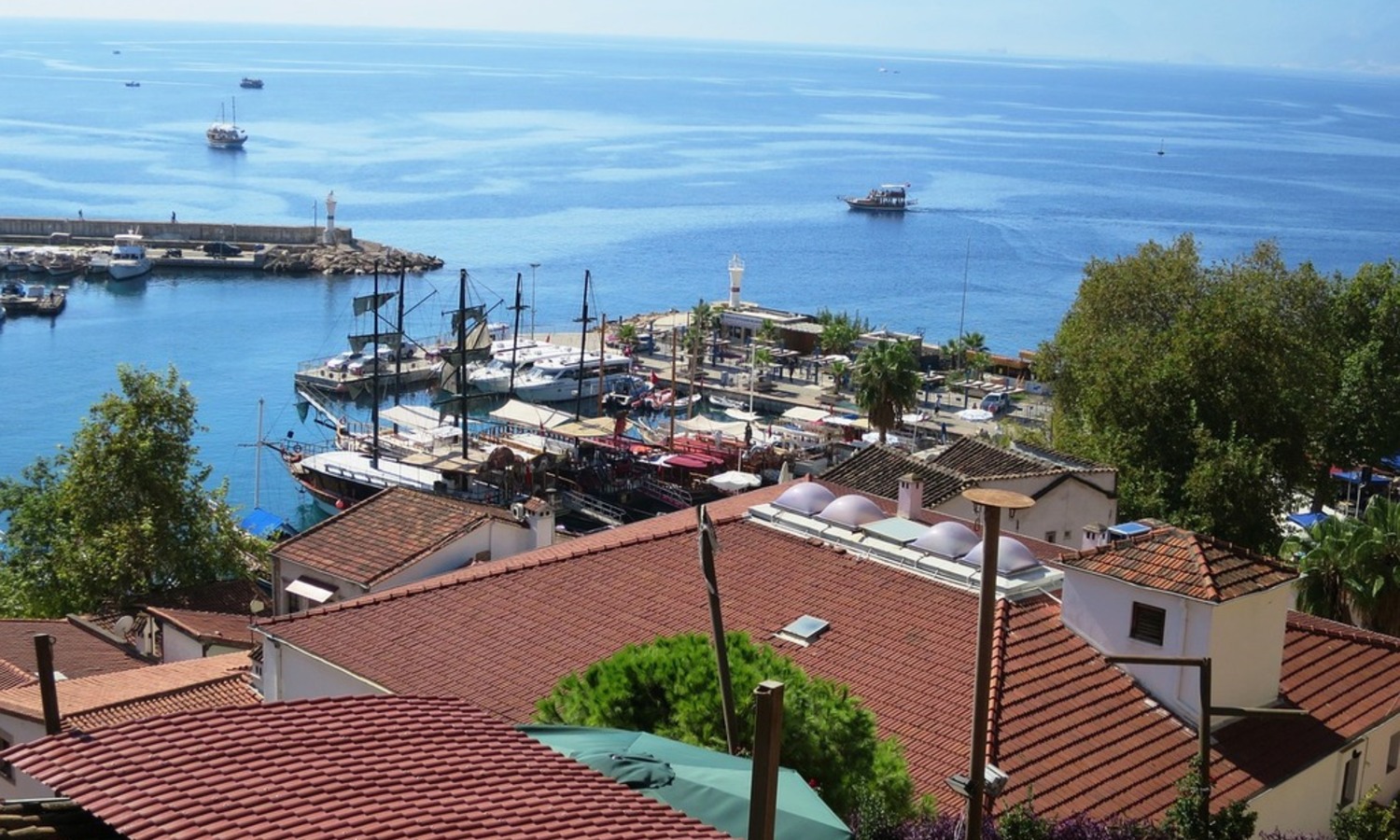
Antalya is a resort city with well-fed and very cute cats everywhere and a permanent haze from all of the cigarette smoke (everyone smokes?!). It also hosted what could turn out to be the busiest COP yet, which meant hours getting to and from the conference. Carbon Brief counted more than 92,000 registrations in the U.N.’s provisional lists. (The U.N. will release its final participant list after COP ends.)
What stayed with me most were conversations about the power of diversity, storytelling, and community. I heard people with very different experiences talk about what it takes to keep a farm going, get food to people who need it, or prepare for the next season.
In a recent Food Tank newsletter, we talked about how much the words we use matter. I kept thinking about this every time I heard the phrase “food system transformation.” I say it all the time. But one thing I heard in Antalya is that the term can sound threatening to a farmer. They’re wondering what, exactly, am I being asked to change? Can I afford to try it? How long is it going to take to see the payoff—and if it goes badly, who’s going to help me get through the season? Who is going to make sure my children get enough to eat?
Those are fair questions. It’s hard to picture what transformation would look like on your farm when the people calling for it leave the details, and the risk, all up to you.
I’d like to hear more about what the funding and donor communities, the finance and investment communities, and governments are prepared to change about the way they do business. And I’d like farmers to have more say in what changes they want and need.
Outside the conference, I visited the West Mediterranean Agricultural Research Institute, or BATEM, with about a dozen sitting members of the U.S. Congress. We saw produce being grown without pesticides in greenhouses for local consumption and export to Europe. We heard directly from scientists and representatives of CGIAR about the challenges agriculture faces in Türkiye, and ways BATEM is working with farmers to find ways to solve them. I’m glad members of Congress got to hear those stories.
I wish more conversations at COP had started the way that visit did. Seeing what’s happening on the ground is important for all of us who work on these issues, but especially for policymakers so that they can understand the realities farmers and research institutions face.
Here’s some of the good. One of the announcements I was most excited about came from Sally Higgins, an Australian farmer and COP31’s Presidency Youth Climate Champion. She launched Back Future Farmers to help young farmers get financing. She raised the question: How do you young and beginning farmers get the resources they need to own and steward land? That will sound familiar to anyone trying to get started in farming. The initiative is exploring more affordable financing and repayment schedules that account for when farmers actually earn money. I was glad to see a young woman farmer use that platform to talk about something so practical.
Türkiye and the U.N. Food and Agriculture Organization also launched the Turquoise Nexus Initiative to connect food security, water management, and climate policy. And CGIAR announced a partnership with the U.N. Convention to Combat Desertification on land restoration and drought resilience. A farmer trying to get a crop through a drought is dealing with water, soil, and food security all at once. CGIAR’s reporting from Antalya has more on both announcements.
Here’s something bad. The agriculture talks stalled. That four-year work program from Egypt was due to wrap up in Antalya, and negotiators failed to agree on what should come next. The June talks in Bonn and COP32 in Addis Ababa offer the next chances to move it forward. Four years after Egypt, I had hoped we’d be talking about how to get more support to farmers. We’re still talking about how to keep the work going.
And here’s the ugly. African countries pushed for a dedicated agenda item on tripling adaptation finance. That proposal was turned down at the start of the conference. The November 19th draft proposes an Antalya-to-Addis Ababa roadmap on adaptation and resilience finance, along with further talks on how to triple adaptation finance by 2035. I’ll be watching to see whether that language survives and whether it leads to money that farmers can access, because they can’t afford to keep waiting until the next planting season.
The draft also left out language on moving away from fossil fuels (why?) and the COP Presidency’s draft contains no explicit mention of agriculture (again, why?). The text is still being negotiated as I write this on November 19th. After all the work it took to get agriculture into the formal talks, it’s hard to see it missing from the draft as the conference heads toward its close.
I’ll be interested to compare notes with colleagues who attended—I always feel like I need both a post-mortem and a cleanse after these conferences. There’s always a conversation you wish you’d heard.
I keep thinking about Sally Higgins and what “food system transformation” means. By the time we get to Addis Ababa for COP32, I hope Sally can point to the young farmers who are getting the resources they need to not only survive but thrive.
Articles like the one you just read are made possible through the generosity of Food Tank members. Can we please count on you to be part of our growing movement? Become a member today by clicking here.