In Southern Africa, the planting season does not wait for shipping lanes. When the first good rains fall in November, a maize farmer has a few weeks to get seed and fertilizer into the ground. Miss that window, and no price cut later in the year can buy it back.
This year, that window collided with a war. When shipping through the Strait of Hormuz seized up, urea, the nitrogen fertilizer most African maize farmers depend on, jumped from around US$400 per metric ton to more than US$850 in April 2026, according to the World Trade Organization. Nearly a third of the world’s seaborne fertilizer trade passes through the strait, and the World Bank’s fertilizer price index reached its highest level since October 2022. By June, prices had fallen back. The headlines moved on. The harvest will not.
Markets call this a supply shock. For a smallholder farmer, it is more personal: a bag that costs twice as much, a delivery that comes late, a field planted with less than it needs. Fuel adds a second blow, raising the cost of moving seed to rural shops and grain to market. The farmer pays on the way in and again on the way out. And because most farming in Southern and East Africa is rain-fed, there is no second chance. Late means never.
I made that case at COP31 this week, at a side event on security and climate convened by the Organization for Security and Co-operation in Europe and the Ban Ki-moon Foundation. But the more uncomfortable point is this: the shock did not create Africa’s vulnerability. It revealed it.
Consider seed, the input that comes before fertilizer. The chair of Eswatini’s national seed committee told a national meeting this year that the country imports more than 95 percent of its seed and has three seed inspectors for the entire country. A country in that position does not have a price problem. It has an institutional problem. When imports stall, there is little domestic supply to fall back on and almost no one to check that what is sold as seed will grow.
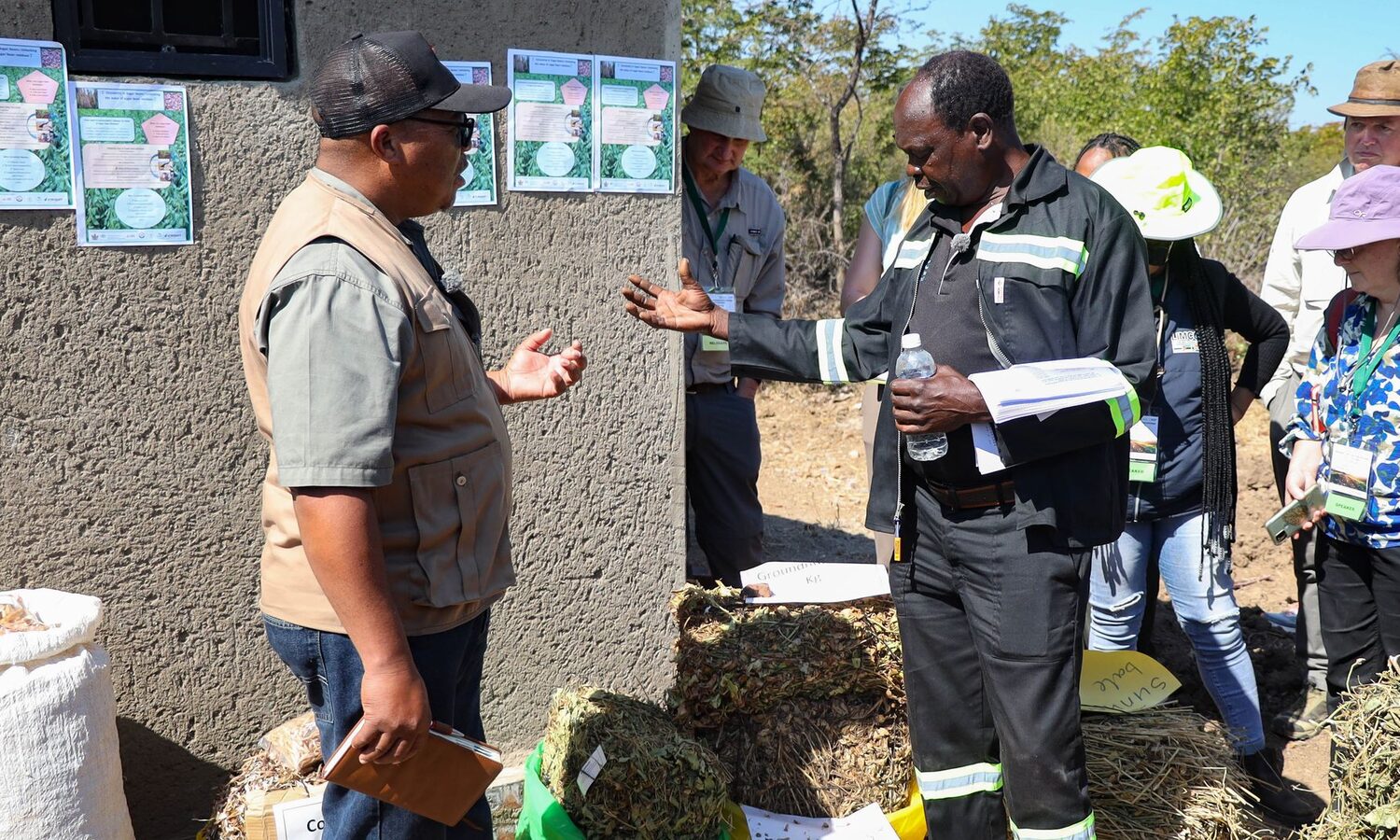
The answer is not to wall off global markets. It is to build enough capacity at home that a distant crisis becomes an inconvenience rather than a lost season. Local seed systems, from community seed banks to small domestic seed companies, shorten the chain between breeder and field. Blending organic and mineral fertilizers reduces how much a farmer must buy in a market she cannot influence. And new varieties have to be bred with farmers, not just for them. On the same panel, Nizar Haddad of the International Center for Agricultural Research in the Dry Areas described a barley variety that delivered far higher yields, yet farmers turned it down because the straw was too coarse for their animals. A breakthrough that farmers will not plant is not a breakthrough.
Building that capacity means paying for people, which is exactly what climate finance struggles to do. Seed inspectors, extension officers, and community animal health workers earn no revenue to repay a loan, and they outlast any three-year project. In Zimbabwe, the program I manage is supporting the formal recognition of community animal health workers, because a trained person in the village, backed by law, keeps herds alive through a drought. That is infrastructure, even if no infrastructure budget counts it.
The money is thin. Small-scale agrifood systems received just 0.8 percent of tracked climate finance in 2019 and 2020, according to the Climate Policy Initiative. And finance is usually counted when it is pledged, not when it reaches a field.
The delivery channels already exist. Zambia’s farm input program now reaches more than 1 million farmers through an electronic voucher, according to the World Bank, letting them buy inputs from local agro-dealers. A channel like that could carry drought-tolerant and legume seed, storage bags, and vaccines, and build demand for local suppliers in the process.
COP32 will be held in Addis Ababa next year, in a country where most people still make their living from farming. It should be judged by one test: what arrives on farms before the rains, not what is announced in the plenary.
The next shock is already somewhere on a shipping chart. Whether it becomes another lost season depends on choices governments and funders make now about seed, about people, and about where the money stops.
Articles like the one you just read are made possible through the generosity of Food Tank members. Can we please count on you to be part of our growing movement? Become a member today by clicking here.
Photo courtesy of FANRPAN