Each week, Food Tank is rounding up a few news stories that inspire excitement, infuriation, or curiosity.
Midterm Election Surprises
Voters delivered big surprises on Tuesday, with Democrats winning control of both the House and Senate.
In Kansas, Republican Senator Roger Marshall, who serves on the Senate Agriculture Committee, lost his reelection bid to Democrat Adam Hamilton. And in North Carolina, farmer Jamie Ager won a congressional seat representing the western part of the state. I always think it’s encouraging when people who grow our food have a seat at the policymaking table. We’ve had Jamie at Food Tank events, and he is someone who I have a lot of faith in and am excited for what he will do in office.
The results raise some big questions. Will lawmakers be able to come together on a comprehensive Farm Bill? What is the future of the Supplemental Nutrition Assistance Program (SNAP), which millions of Americans depend on to put food on the table? And will we see more investments in agricultural research, conservation, and programs that support small and medium-sized farmers?
The Farm Bill has historically brought rural and urban interests together, connecting support for farmers with nutrition assistance for families. But that coalition has become increasingly fragile. And even with a new Congress, passing meaningful legislation will require compromise with the White House. I hope both parties recognize that food and agriculture shouldn’t be partisan issues. Farmers need stability. Families need affordable, nutritious food. And our food system needs long-term investment.
USDA Announces Funding for School Meals
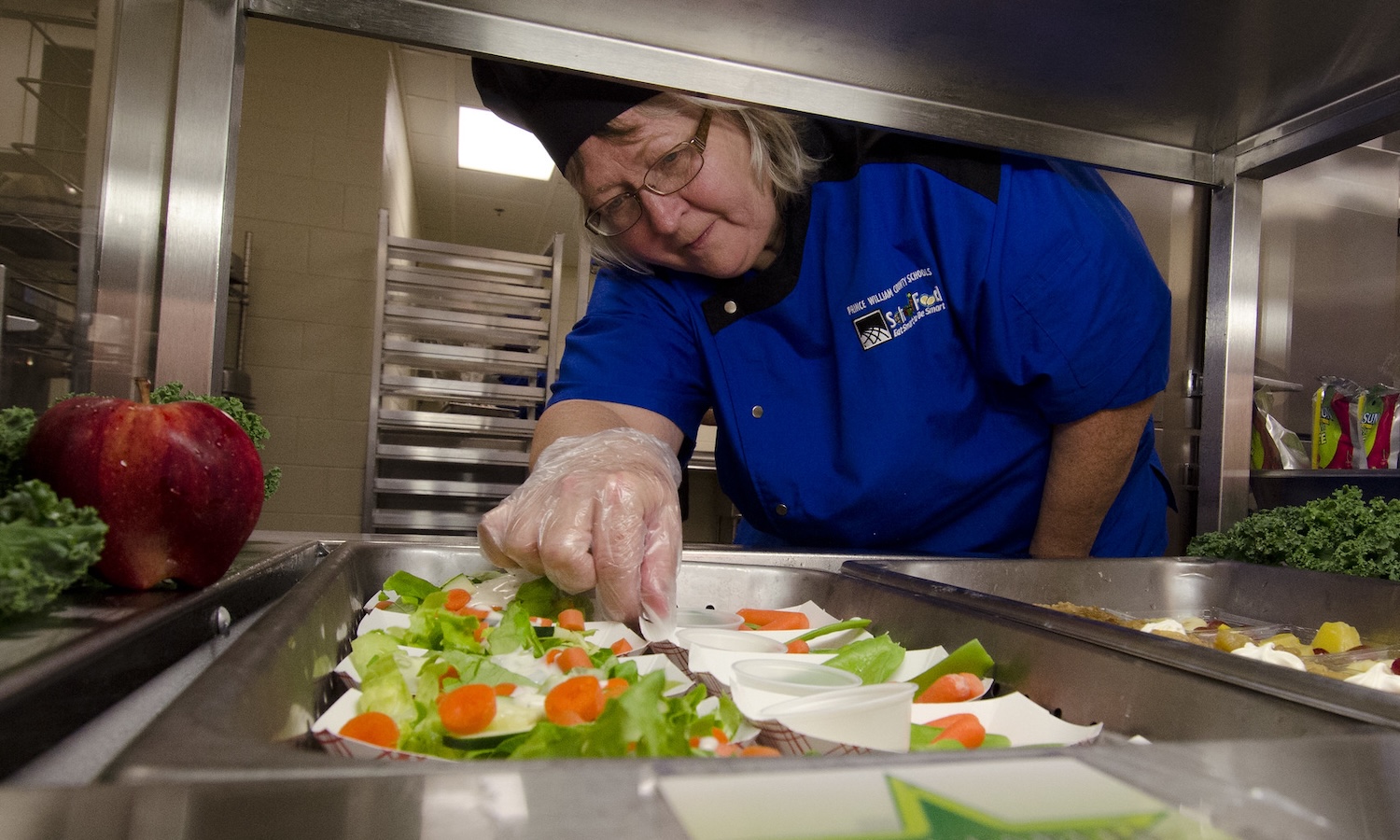
Last week, the U.S. Department of Agriculture announced more than US$27 million in additional Farm to School Grants and another US$50 million in funding available to help schools upgrade their kitchens. The investments can help schools buy more locally grown food, build relationships with farmers, and prepare fresh, healthy meals.
It’s not enough to tell schools to serve healthier food. They need kitchens, equipment, trained staff, and resources to make that possible. Farm to school programs are about much more than nutrition. They create markets for farmers, strengthen local economies, and help young people understand where their food comes from.
But these investments need to be sustained. And every school, not just those with the most resources, should be able to participate. Because healthy school meals shouldn’t be a privilege. They should be something every child can count on.
Global Agricultural Investments Fail to Meet the Moment
A recent report from the Organization for Economic Cooperation and Development (OECD) finds that governments across 56 countries provided more than US$950 billion in agricultural support in 2025.
It’s an enormous amount of money, but too much of that support is reactive, responding to crises after they happen rather than helping farmers prepare for them. Investments in agricultural research, innovation, and infrastructure aren’t keeping pace with what’s needed.
We need to ask ourselves, are we investing in the food system we want, or are we continuing to support a system that isn’t working for enough farmers or consumers? We need investments that help farmers adapt to climate change, protect biodiversity, and build resilience. And we need policies that make nutritious food more accessible and affordable.
There’s no shortage of money going into agriculture. The question is whether we’re spending it in the right places.
Hunger in Haiti Worsens
According to a new assessment from the World Food Programme and its partners, nearly 6 million people in Haiti are facing acute food insecurity. And that number could rise to 6.35 million by the middle of next year. That’s more than half of Haiti’s population.
Gang violence, displacement, high food prices, and extreme weather are making it harder for families to feed themselves.
And farmers are being hit especially hard. Many can’t get their products to markets, and droughts and floods are damaging harvests.
These numbers are devastating. But there’s also something happening in Haiti that deserves more attention. The World Food Programme reports that 74 percent of the meals in its school feeding programs this year are made with food grown by local farmers. I think that’s important.
Emergency food assistance is essential. But we also need to support the farmers, markets, and communities that can help Haiti become more food secure over the long term. Hunger isn’t just about producing enough food. It’s about whether people can access it, afford it, and have the stability they need to grow it. Haiti reminds us how quickly food systems can unravel when violence, climate shocks, and poverty collide.
Articles like the one you just read are made possible through the generosity of Food Tank members. Can we please count on you to be part of our growing movement? Become a member today by clicking here.
Photo courtesy of U.S. Department of Agriculture