
Each week, Food Tank is rounding up a few news stories that inspire excitement, infuriation, or curiosity.
U.S. Farm Bankruptcies Climb, Consolidation Grows
An analysis from Politico reveals that the number of farms in the U.S. are falling three times as fast as the country is losing acres of farmland, suggesting that farms are consolidating or being absorbed into bigger operations.
In the last five years, the country has lost 150,000 farms. But the total area of farmland fell by 21 million acres—far less than might be expected. This is taking place across the U.S., with some of the dramatic trends being seen in Montana, Texas, Kansas, and South Dakota. Montana, for example, lost 14 percent of its farms between 2021 and 2025, but just 1 percent of its farmland.
Nate Sheets, the Republican nominee for Texas agriculture commissioner, tells Politico that, “All small farms are getting taken out of the market because of scale.”
Meanwhile the number of farm bankruptcies more than doubled in states including Arkansas, Georgia, and Wisconsin last year. And Chapter 12 bankruptcy filings were up 46 percent across the board last year compared to 2024. Bailey Conrady, Manager of Illinois’ Champaign County Farm Bureau, says that as farmers retire, file for bankruptcy, or go out of business, it drives further consolidation. Farmers are being increasingly squeezed by rising input costs, disruptions to trade and demand, and falling commodity prices.
Wildfires Scorch Nebraska’s Farmland
In the last two weeks, Nebraska has seen massive wildfires that have burned more than 800,000 acres of land—an area larger than the state of Rhode Island. Nebraska Governor Jim Pillen first declared an emergency on March 13, as fires began to spread. Then on Thursday last week, another wave of wildfires broke out, affecting more than 64,000 acres and forcing more evacuations.
The area impacted by the recent fires was used for grazing of roughly 40,000 cows, according to Director of Nebraska’s Department of Agriculture Sherry Vinton.
U.S. Department of Agriculture data show that cattle herds across the country are at a 75-year low. Nebraska’s ranchers have been working to rebuild their herds, but drought—and now the wildfires—are slowing progress. Agriculture Secretary Brooke Rollins says the fires are hitting “at a time when the national cow herd is at the lowest…and demand is at the highest, so this offers additional layers of challenges.”
Rollins adds that federal aid, in the form of emergency loans, conservation assistance, and more, is available to farmers and ranchers affected by the fires. The Nebraska Farm Bureau has also activated its disaster relief fund to support the state’s agriculture community.
Nigerian Government to Distribute 2.4 Million Clean Cooking Stoves
This week, Nigeria’s government pledged to distribute 2.4 million clean cookstoves in the northern part of the country in 2026.
The stoves will be made available through a partnership between the National Agency for the Great Green Wall (NAGGW) and BURN Manufacturing, a producer of cookstoves.
Director-General of NAGGW Saleh Abubakar says that traditional methods of cooking, which more than 40 million households in the region rely on, “contributes significantly to deforestation, air pollution, and health risks, especially for women and children.” Abubakar adds that the collaboration with BURN Manufacturing could unlock NGN300 billion (approximately US$214 million) in carbon financing. It will also create jobs and expand access to affordable clean cooking for rural and underserved communities.
The announcement comes on the heels of a new publication from the C2REST Nigeria Study, a three-year research project funded by the Medical Research Foundation in the United Kingdom. Their latest paper reveals that Nigeria’s transition to clean cooking may come with a higher investment upfront, but in the long-term, it ultimately saves households money by reducing healthcare costs.
Yusuf Kilani, Nigeria’s Special Assistant to the President on climate matters, says that some of the new cookstoves will be made free to low-income households while others will be available at “at affordable rates.”
Pacific Island Nations Receive US$42 Million for Climate-Resilient Farming
Three Pacific Island nations received a significant investment to improve their food and farming systems through a five-year program called “Establishing Climate Resilient and Regenerative Agricultural Systems in Tonga, Vanuatu and Samoa.”
The US$42 million in grant financing for the program—which will be led by the organization The Pacific Community—comes from the world’s largest climate fund established as part of the Paris Agreement known as the Green Climate Fund.
Investments will help farmers in Tonga, Vanuatu and Samoa adopt practices that restore soil health, diversify cropping systems, and rebuild ecosystem services.
Demonstration farms, farmer-to-farmer learning, tailored technical support, and investment in farm-level technologies will be used collectively to achieve these goals.
The program is also designed to address challenges to adopting climate-resilient practices, including gaps in extension services, limited information on the local climate, and constraints in market systems.
According to Coral Pasisi, Director of the Climate Change and Sustainability Division at The Pacific Community, the funding is essential to long-term sustainability for the region. She states: “For these nations living on the frontline of climate change, investing in resilient food systems is essential to reducing vulnerability and strengthening long-term stability in an increasingly uncertain global context.”
Uganda Moves to Certify Agroecological Produce
There is “a growing demand” for agroecologically produced crops, says Bob George Sunday, a Senior Agricultural Officer for Uganda’s Ministry of Agriculture.
To help the farmers meet the moment, the Ugandan government is finalizing its National Agroecological Strategy and implementing a new model to certify foods produced using agroecological practices.
According Jane Nalunga, Executive Director of Southern and Eastern Africa Trade Information and Negotiations Institute (SEATINI) Uganda, many East African farmers are already practicing agroecology to grow food. But the lack of a formal certification process keeps farmers from accessing regional and international markets.
Farmers cannot charge a premium for their products in the marketplace without validation, Sunday explains. This means that they’re missing out on opportunities to bring in higher earnings.
But Nalunga argues, “If we are to make agroecology sustainable, the farmer has to be able to make a profit.”
During a recent workshop hosted by SEATINI, Edie Mukiibi, President of Slow Food International, also reminded those gathering that agroecology isn’t only an economic tool. It’s about “social reconstruction,” which can improve nutrition, health, and community. Mukiibi also pointed out that to scale agroecology even further, it will be important to harmonize the local and national standards already in place before creating a set that apply to the entire region.
Articles like the one you just read are made possible through the generosity of Food Tank members. Can we please count on you to be part of our growing movement? Become a member today by clicking here.
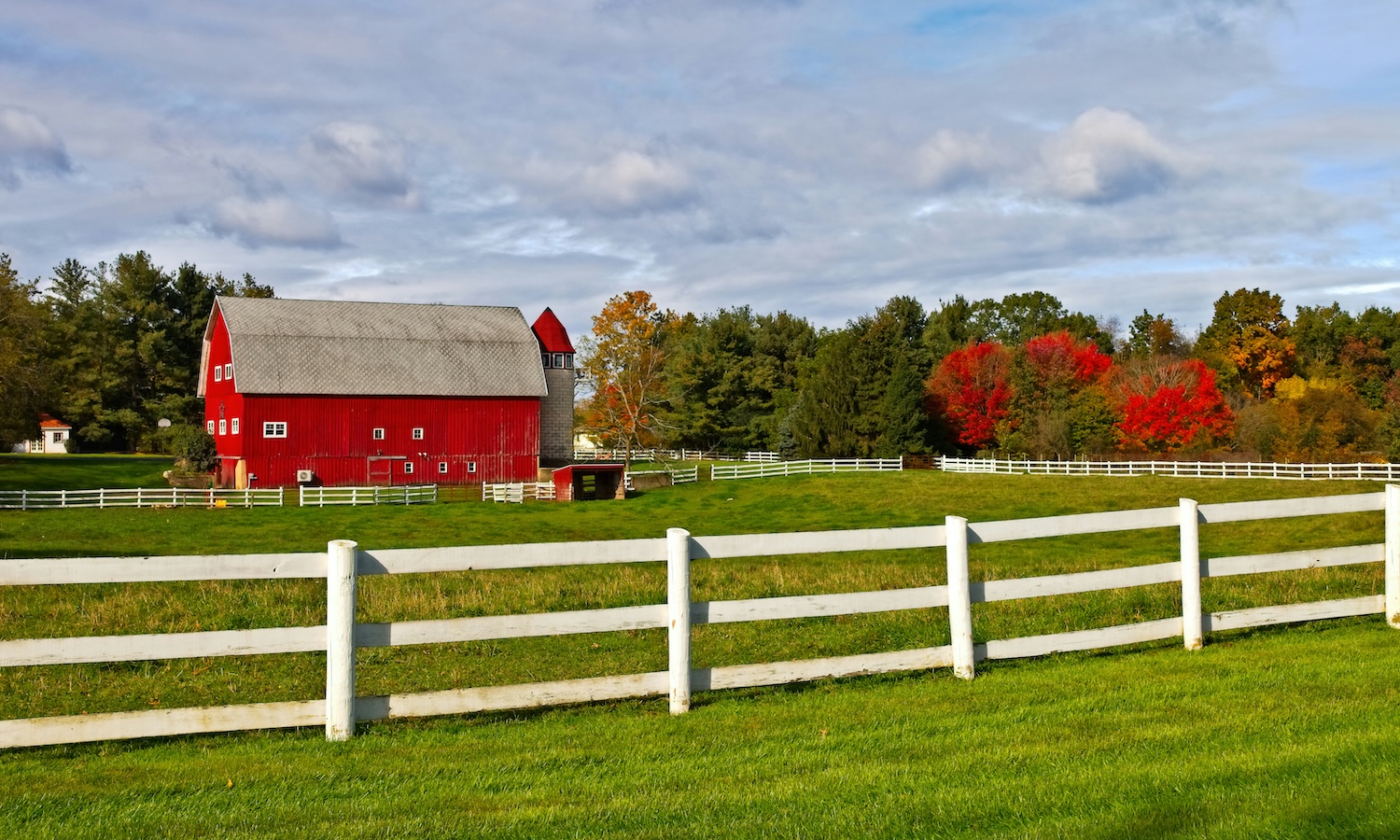
Photo courtesy of James Peacock, Unsplash