
Food Tank’s Water and Blue Foods Summit will bring together global leaders to explore the connections between water, blue foods, healthy ecosystems, and the future of food.
Ocean Health
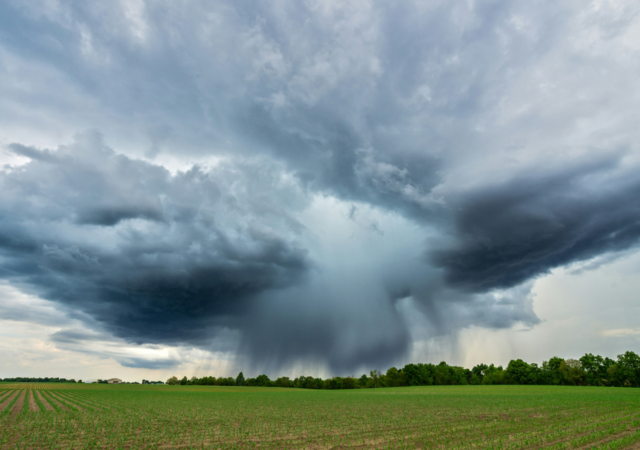
Food Tank Explains: El Niño
Changing Pacific Ocean temperatures during El Niño can trigger droughts, floods, and widespread impacts on food systems and marine ecosystems.
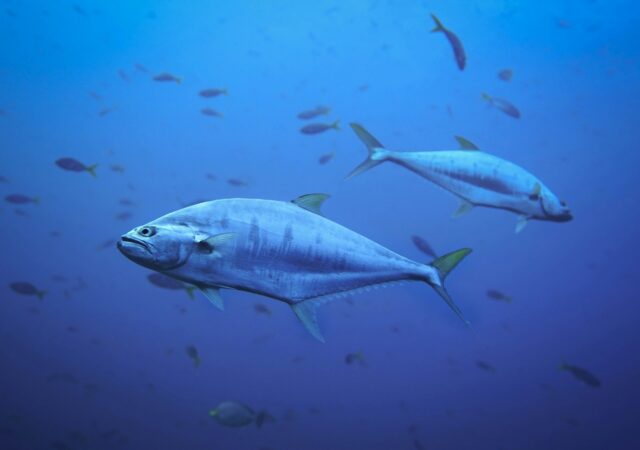
A New Wave of Sustainable Tuna Fishing in Ecuador
TUNACONS is changing how tuna is caught to better protect the fishing industry and marine environment.
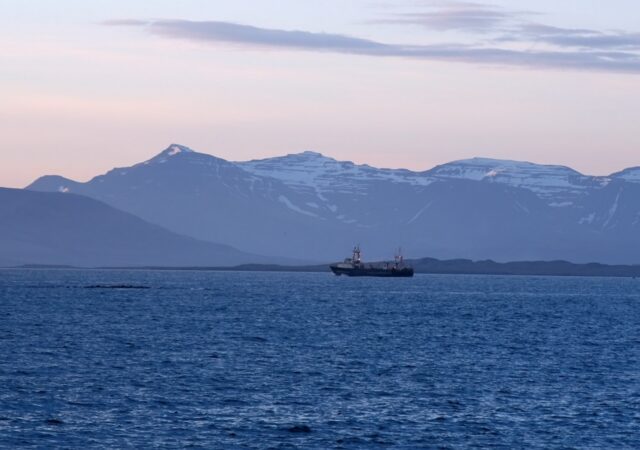
Zero Waste Seafood Program Drives Program Blue Economy Boom
Fish byproducts are more than waste. The 100% Fish Program is proving that there’s economic value to unlock, boosting income for fisherfolk.
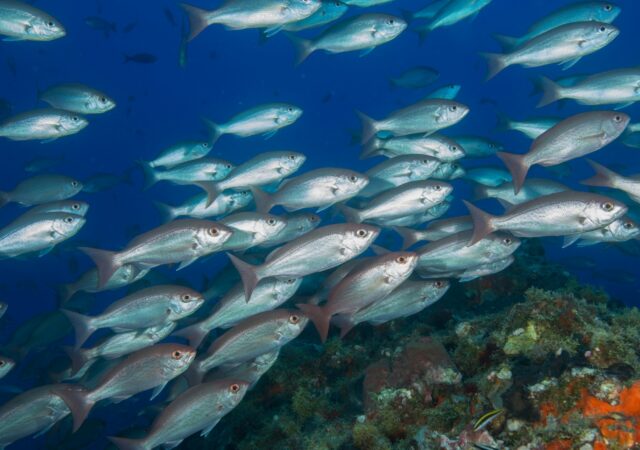
Fighting Corporate Control of Fisheries: NAMA’s Vision for Blue Food Systems
Corporate captures of the world’s fisheries isn’t inevitable and NAMA is fighting every day to make sure it doesn’t happen.
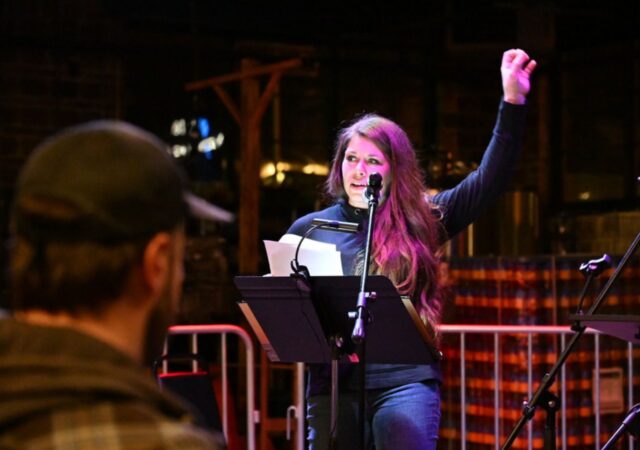
Astoria’s FisherPoets Give Testimony to Transition
Each February in Astoria, Oregon, commercial fishers take the stage to share powerful stories about their lived experiences in a changing fishing industry.

Food Tank’s Weekly News Roundup: U.S. Grocery Prices Climb, Billionaire Wealth Soars, and Maryland Targets Dynamic Pricing
Groceries cost more, billionaires made more, and Maryland wants to stop dynamic pricing—plus a new treaty aims to protect life in the high seas.
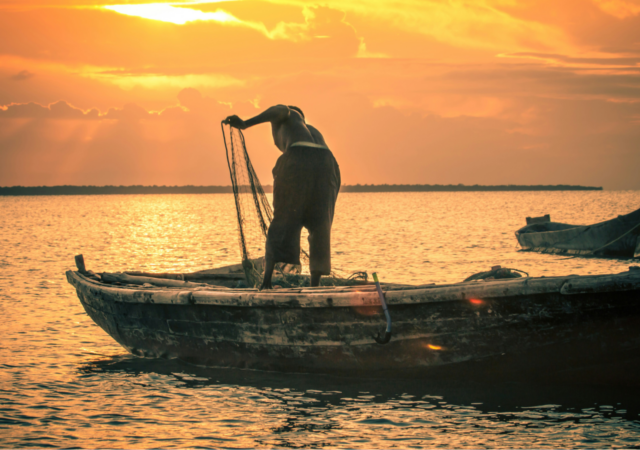
Food Tank’s Weekly News Roundup: Soaring Ocean Temperatures, U.S. Retreat from Global Organizations, and 1,000 Days of Conflict in Sudan
This week’s top stories highlight global climate records, U.S. foreign policy shifts, stalled farm legislation, nutrition policy changes, and food insecurity in Sudan.

Restoring the Reefs: Growing Oysters in the Baltimore Harbor
Baltimore Harbor’s oyster restoration program aims to grow 5 million oysters by 2030, restoring the ecosystem and supporting local wildlife.

UK Sea Bass Market Tied to Senegal Overfishing Crisis
The case highlights the deep flaws in certification and traceability systems.

Enforcement Gaps Threaten Europe’s Marine Protected Areas
A legal and political battle is unfolding over bottom trawling in Europe’s Marine Protected Areas, as fishers defend their livelihoods against growing calls from environmental groups and EU policymakers to phase out the practice.

Op-Ed | Aquaculture Is Expanding Fast. Our Understanding of the Animals in These Farms Isn’t
Building a sustainable, nutritious food system while minimizing risks to other animals isn’t a pipe dream.

Treaties to Turn the Tide: Can We Save the Ocean in Time?
As ocean ecosystems face collapse, can world leaders put treaties into effect to protect the high seas and combat plastic pollution?
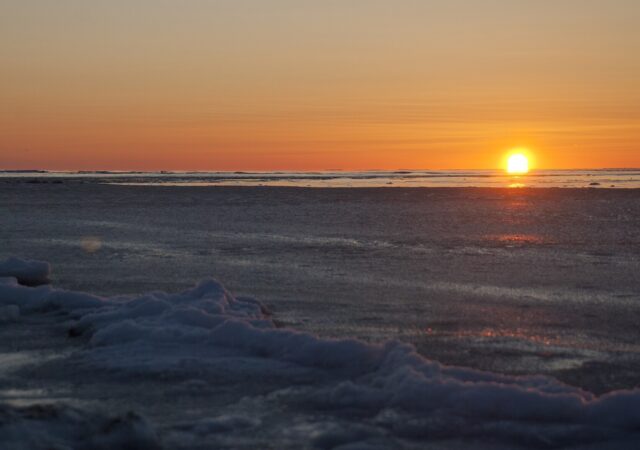
Op-Ed | The Most Sustainable Fish You Probably Never Knew Existed
The Bering Sea offers a global model for how fish, fishers, and communities can all thrive.
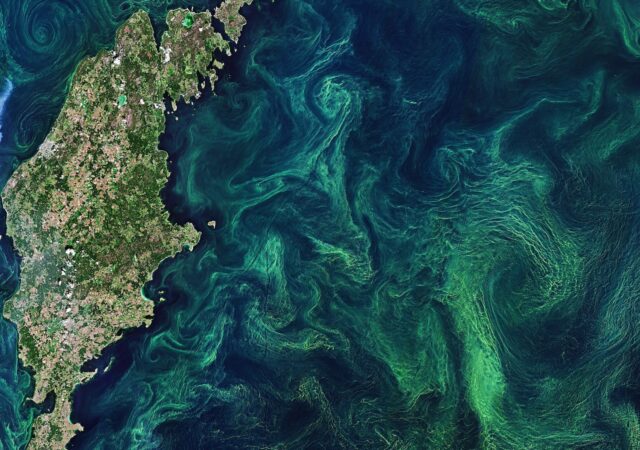
Transforming the Baltic and North Seas with Algae-Based Solutions
AlgaeProBANOS wants to take advantage of the abundance of algae by sustainably harvesting, marketing, and finding ways to integrate it into circular economies.
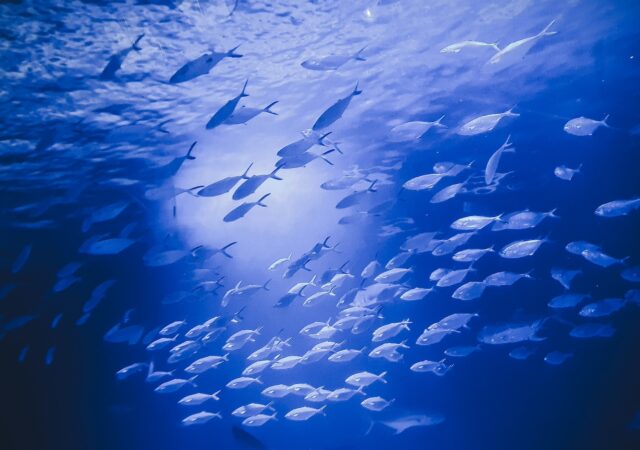
Thriving Oceans Create Nourished Communities and Resilient Food Systems
Even though oceans contain 97 percent of all the water on the planet, it can be surprisingly easy to forget about what can’t be seen.
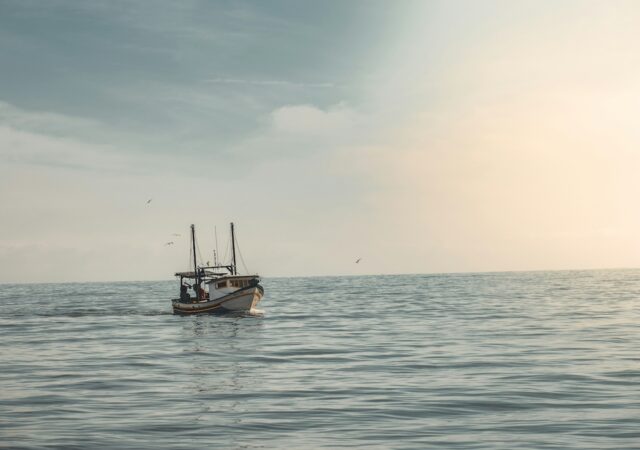
Study Exposes Extent of Untracked Fishing Vessels
Around 75 percent of global industrial fishing vessels are not publicly tracked.
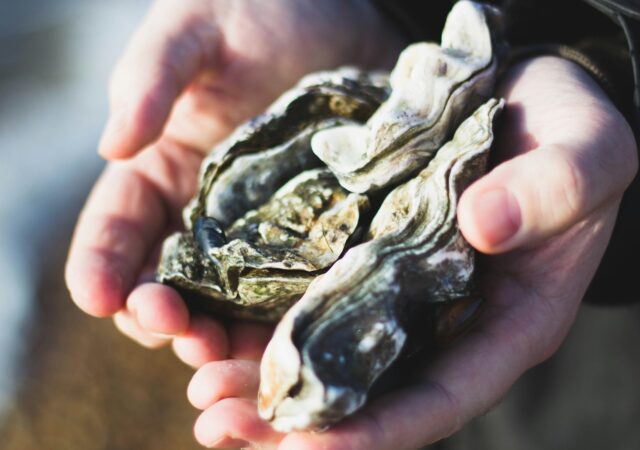
Revitalizing Seas: Creating a Sustainable Future for Oysters
The MA Oyster Project aims to keep oyster shells out of landfills and create regenerative habitats for the shellfish.
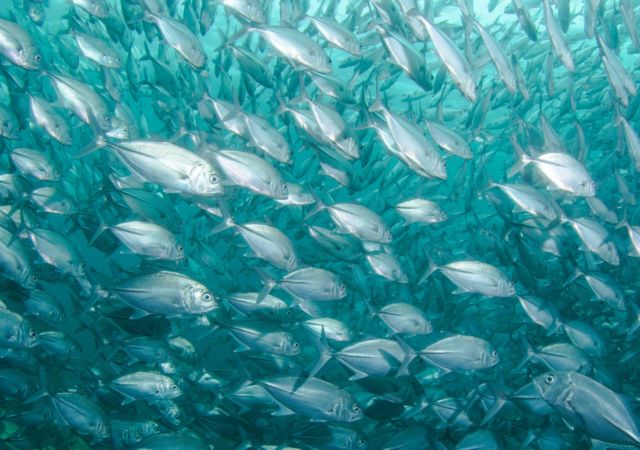
Bridging Seas to Sustainability: WTO’s ‘Fish Month’ Pushes Against Fishing Subsidies
WTO’s Fish Month tackles global overfishing issues and works towards sustainable fishing practices by regulating subsidies and addressing overcapacity.
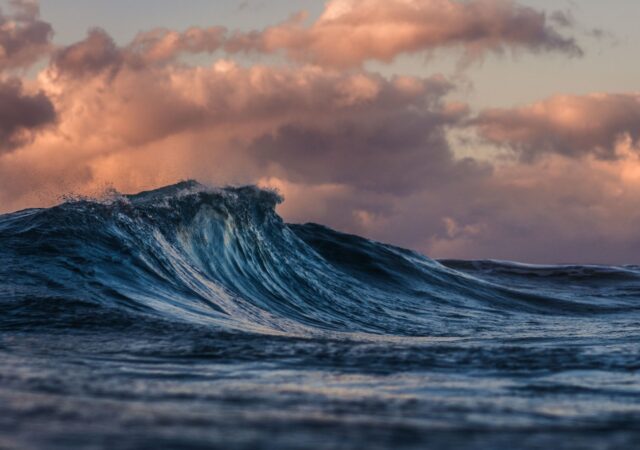
World’s Oceans at Risk: U.N. Members Meet Again to Reach Consensus on High Seas Treaty
U.N. countries are meeting again in the hopes of reaching a consensus on the High Seas Treaty to protect 30 percent of the ocean.