
Australia’s Fair Food Forum is an online ‘go to’ destination for organizations and individuals to easily connect, learn from and share knowledge with others in the fair food movement.
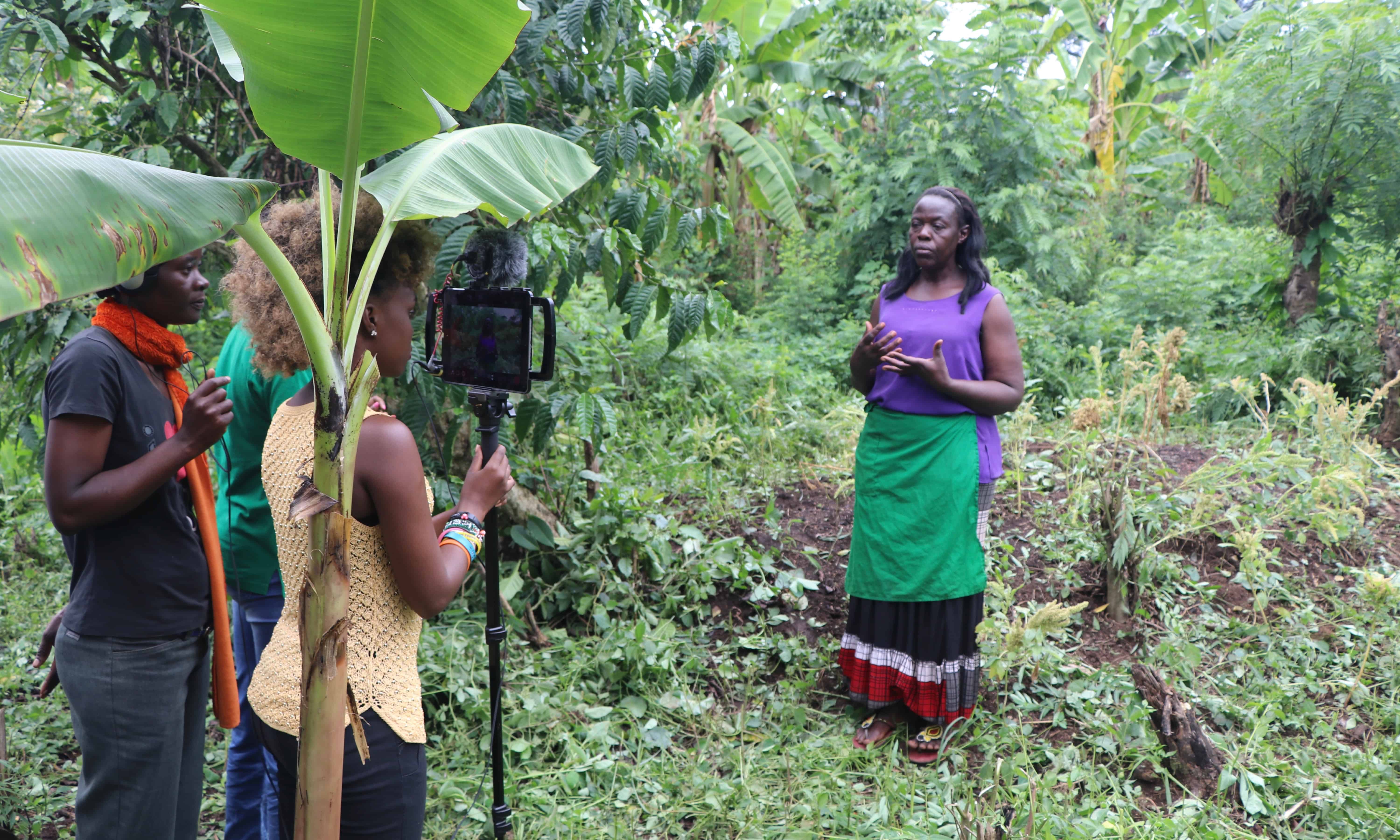
Freya Yost on Respecting “Farmers and Their Rightful Place in Our Food System”
Freya Yost, Vice President at A Growing Culture, discusses the potential of farmers in building a more equitable food and agriculture system, with one central question: what can we learn from smallholder farmers?
BCFN Alumni Series: Michele Pedrotti Shares His Inspiration and Innovations
Michele Pedrotti, BCFN Yes! Competition 2014 finalist and Geographic Representative of BCFN Alumni Network for Europe, speaks about his deep passion for food and how Sensory Science can help tackle food waste.

Nichole Cirillo: Food has the power to unite across differences and generations
Nichole Cirillo talks accountability in our food system, why reconnecting to our food supply might be the biggest advantage we can give our food system, and how one simple diet change can have far-reaching impacts.

Norbert Wilson Calls for the Creation of “Shared Values” Across the Food System
Norbert Wilson talks about the eye-opening experiences he had after college that led to his dedication to research why we eat what we eat and the circumstances that drive food waste. He also shares his ideas about how to create a more accessible food system for all.
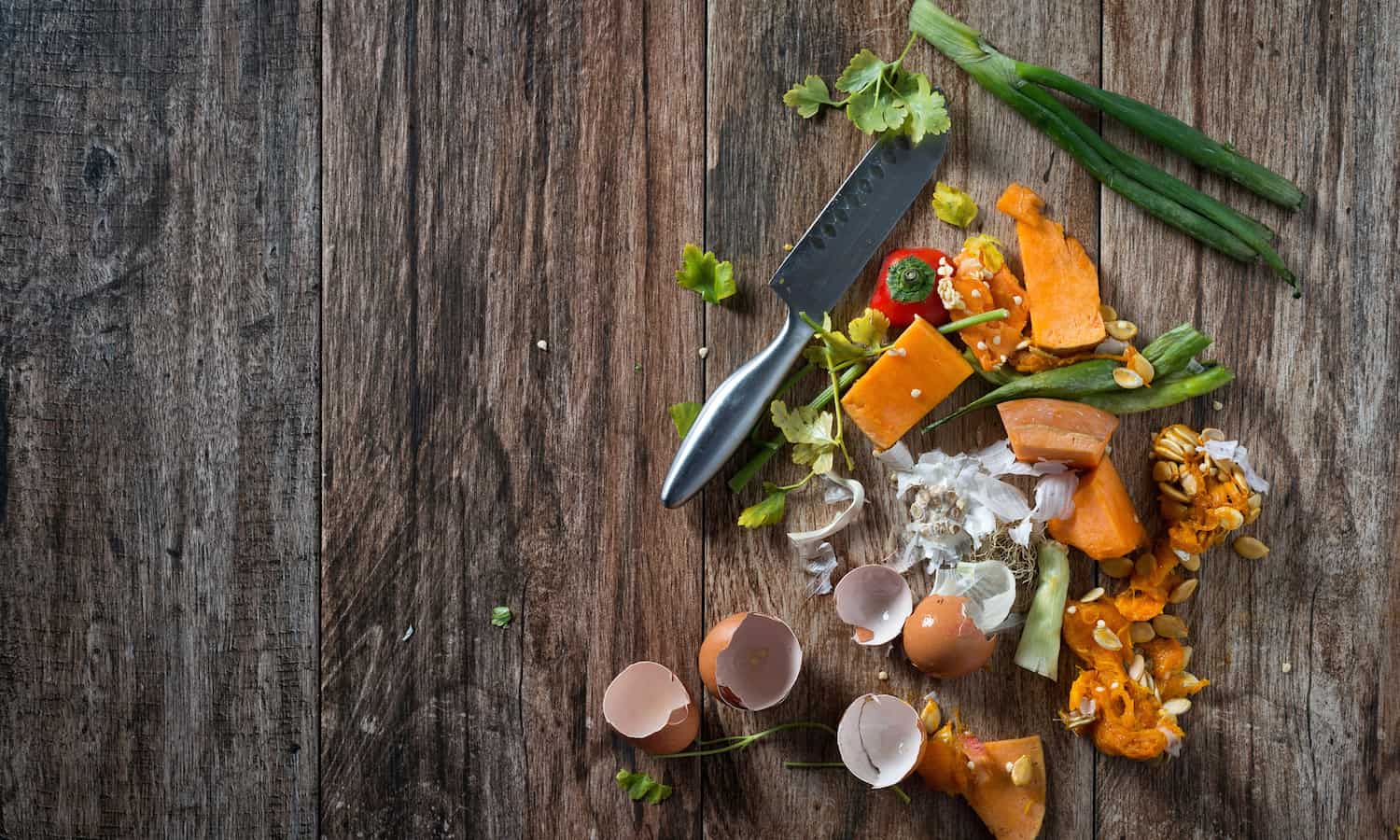
Boston Globe’s Janelle Nanos: “Journalism is more important than ever”
Janelle Nanos talks with Food Tank about how she uses her passion for journalism to positively impact our wasteful food system, the simple changes we can make daily to reduce waste, and what gives her hope that we are approaching a turning point in our food system.
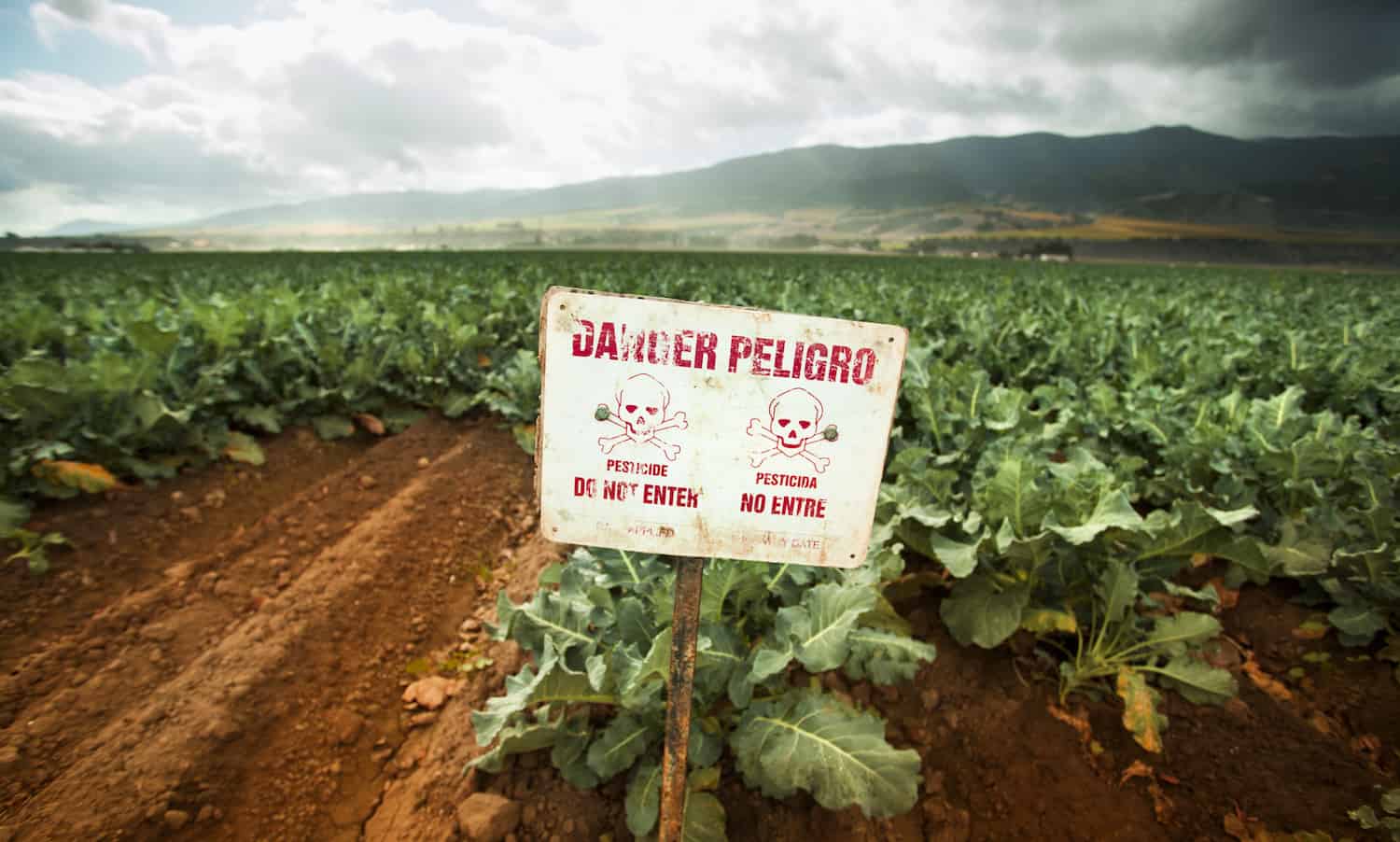
United Nations Report Rejects Pesticide Myth
A new United Nations report has rejected the myth that pesticides are necessary in feeding the world, highlighting the catastrophic damage they have caused to people and the environment.
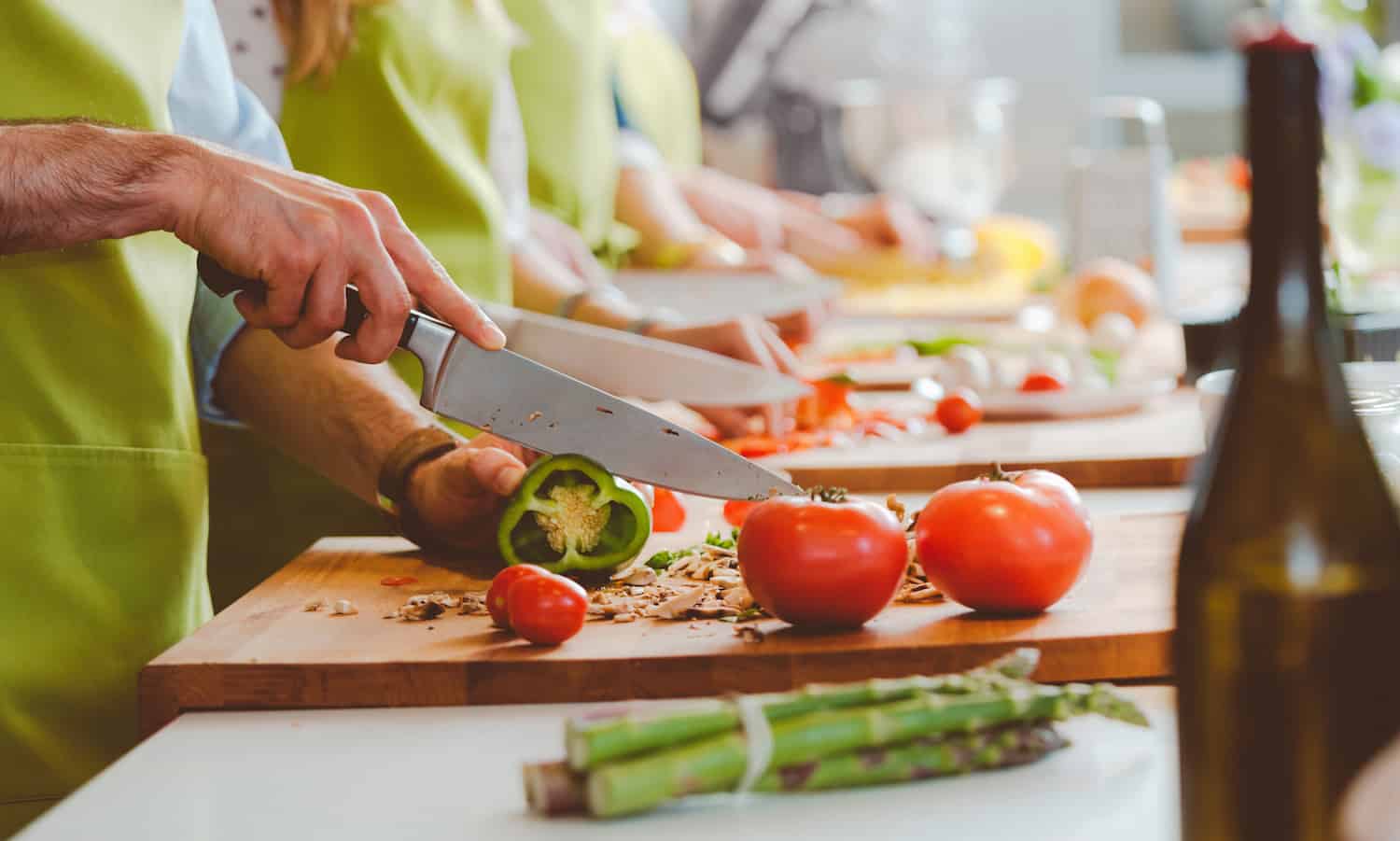
Corby Kummer: “Gathering over meals encourages real communication”
Corby Kummer is speaking at the inaugural Boston Food Tank Summit, “Investing in Discovery,” which will be held in collaboration with Tufts University and Oxfam America on April 1, 2017.
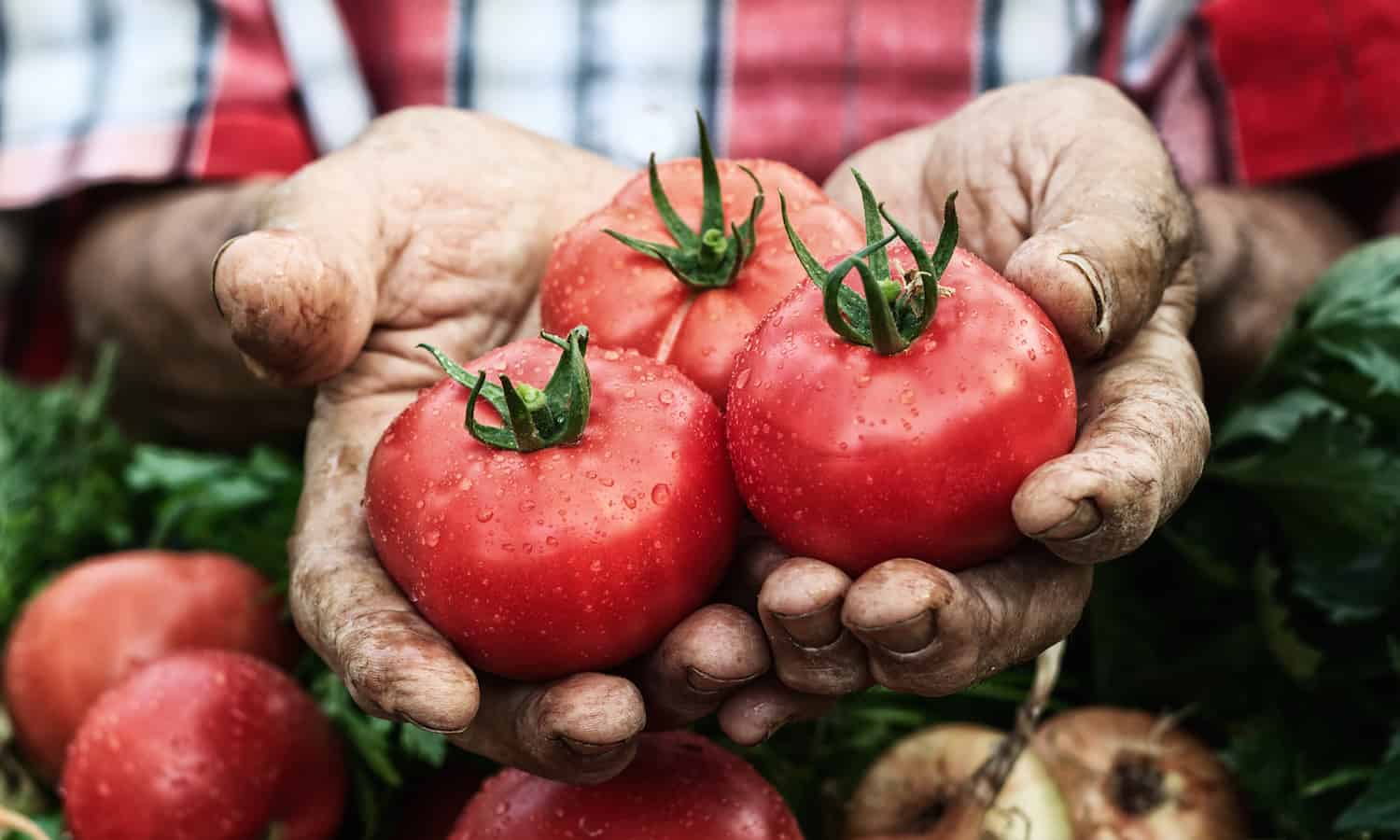
Oliver Gottfried: “Do not forget the hands that feed us”
Oliver Gottfried works around the United States and the world, focusing on farm workers rights, elevating their voices so that they can pursue better lives. He urges consumers to get to know their food system so that we can all take action when injustices arise.
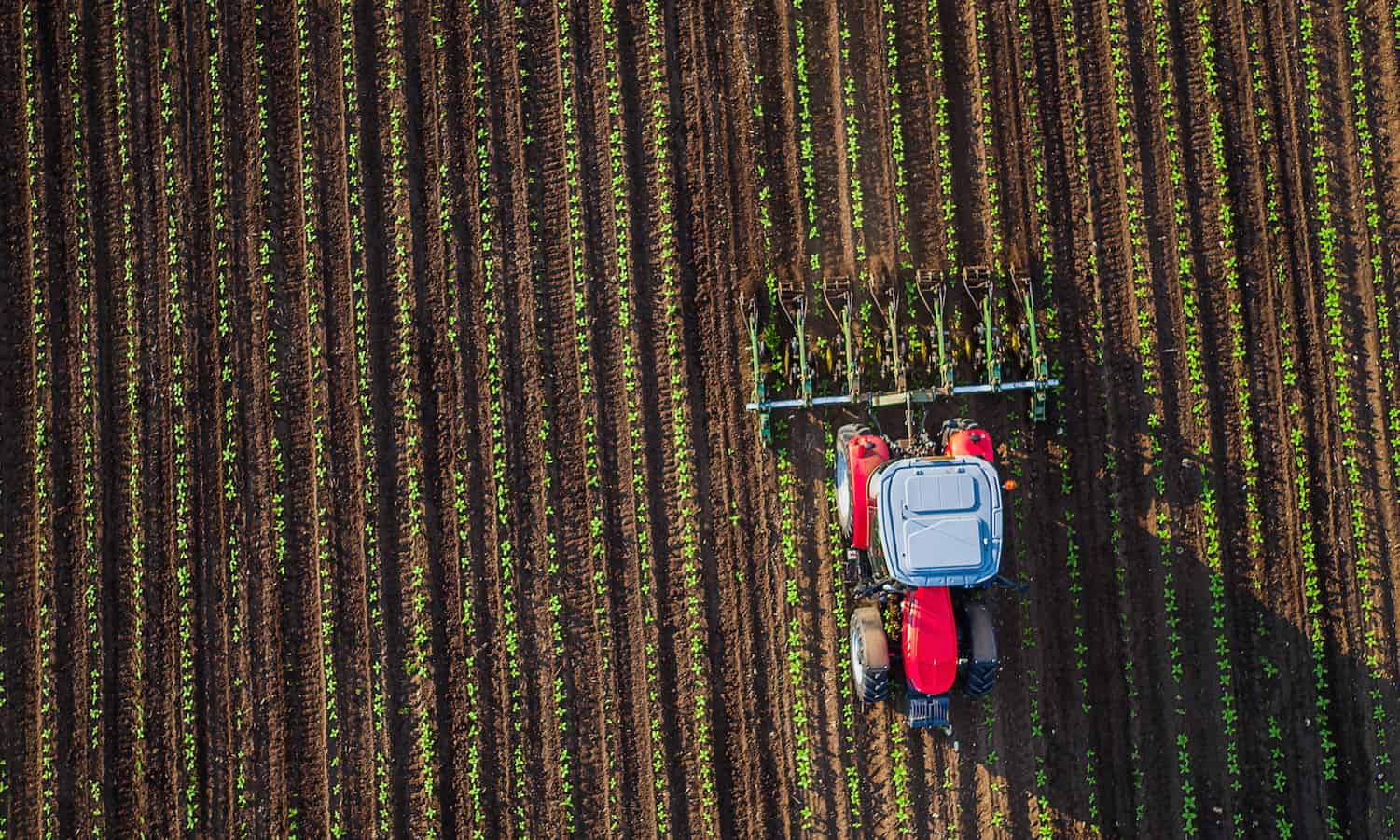
Monique Mikhail: “Food is an issue that is at the heart of so many other issues”
Monique Mikhail looks for food system solutions by trading in big agribusiness for support of small-scale, ecological farmers. She calls for investment sustainability that is spear-headed by the current generation and an education system that passes on that knowledge to future generations.
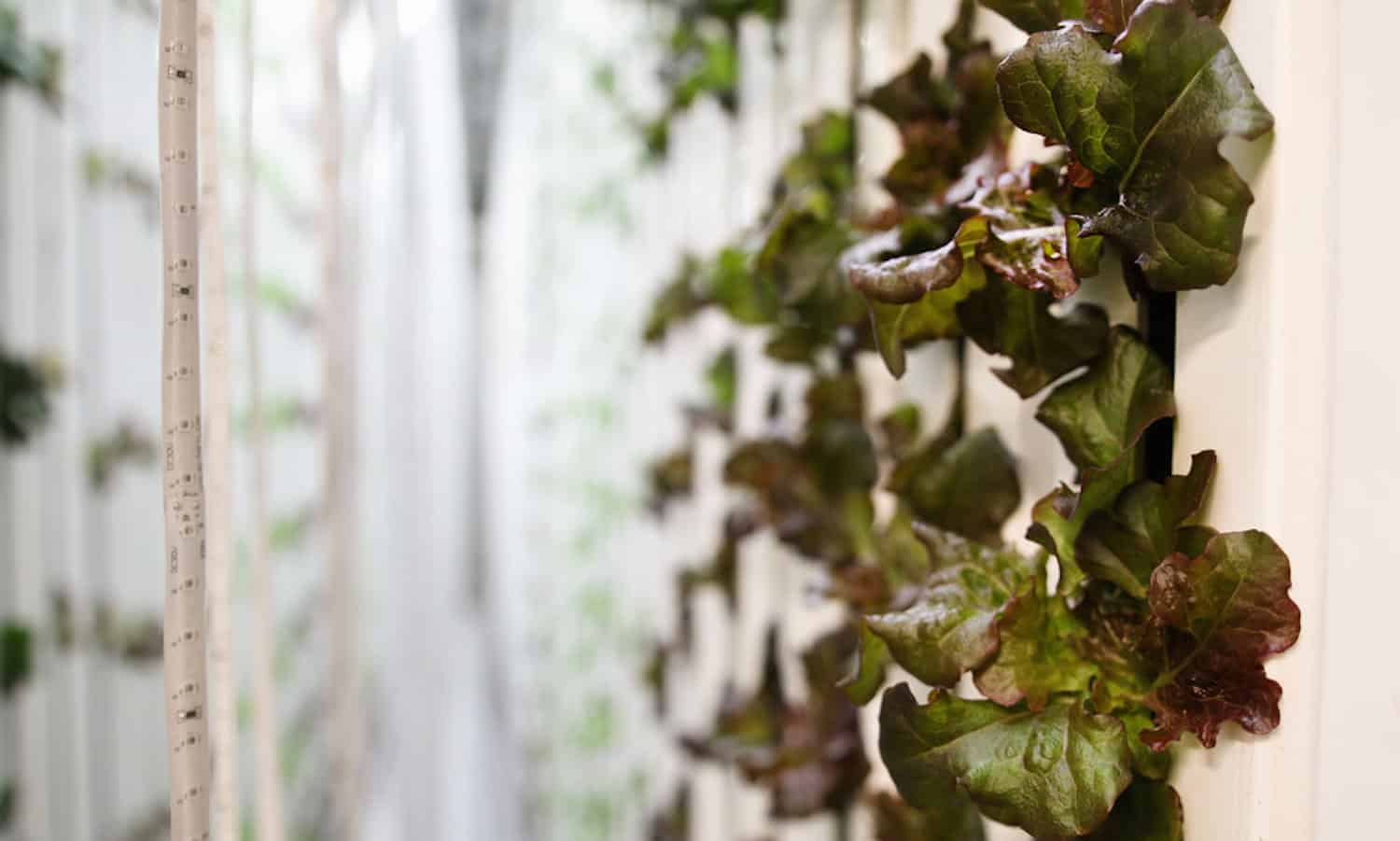
Brad McNamara on Working to Connect the Next Generation of Farmers
Brad McNamara discusses the future of urban farming and technology, and why the key to creating positive agricultural changes is providing the opportunity and power to regular people from all walks of life to get involved in the food system.
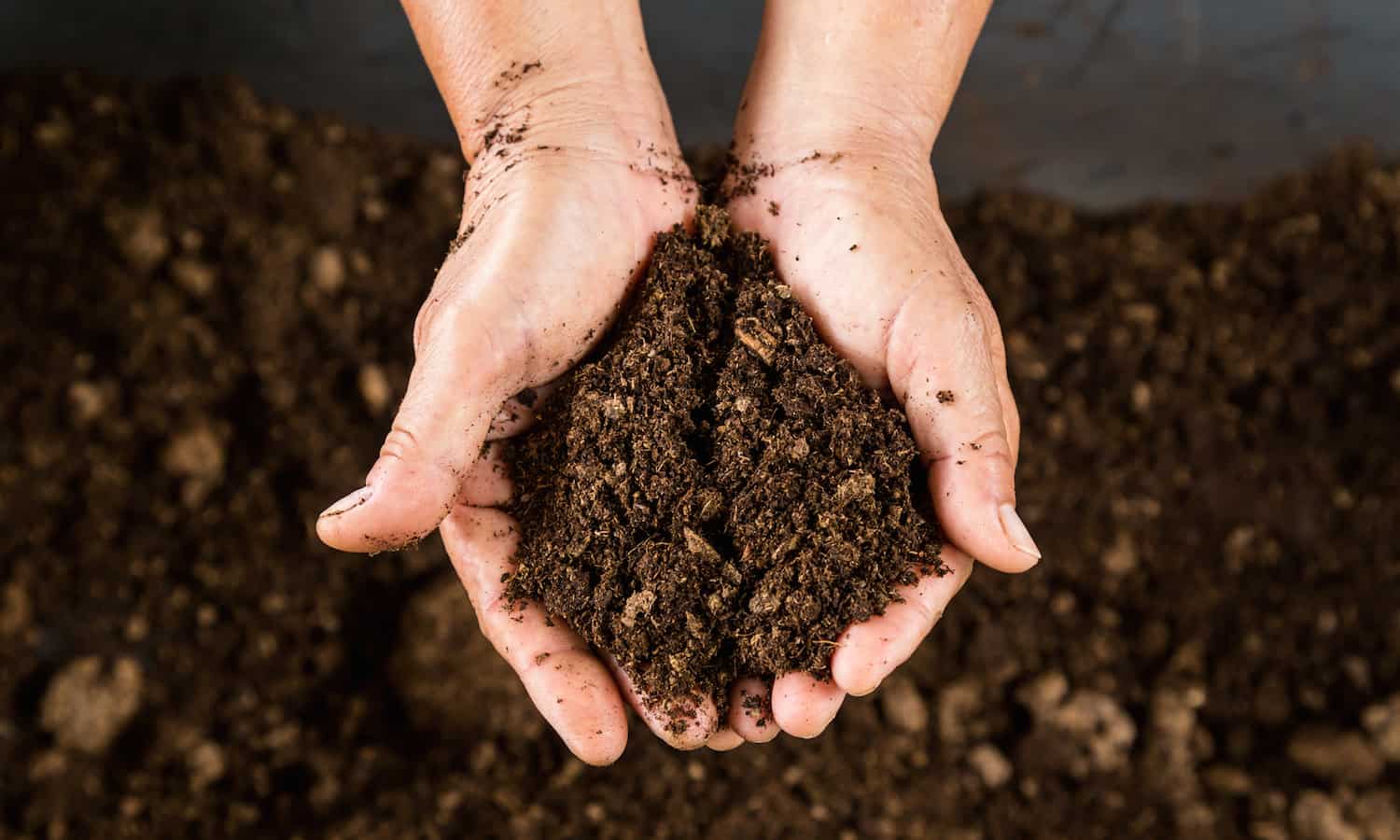
What the World Can Learn from SmartSOIL, a Research Project in the European Union
The SmartSOIL (Sustainable farm management aimed at reducing threats to SOILs under climate change) project brought together researchers and professionals from various universities and institutes in Europe to develop options to increase soil organic carbon.