This article is part of Food Tank’s primer series, “Food Tank Explains.” Each installment unpacks the ideas, innovations, and challenges shaping today’s food and agriculture systems, offering clear insights into complex topics. To explore more articles in the series, click here.
Food fraud is the intentional deception regarding a food or food ingredient for economic gain. These practices include substituting a cheaper or unauthorized ingredient, misrepresenting a product’s quality or origin, or otherwise altering what buyers believe they are purchasing. Fraud can occur anywhere along the food supply chain, from raw materials and ingredients to finished products, labels, and packaging.
Food fraud, which the U.N. Food and Agriculture Organization describes as an uncomfortable and unfortunate part of agrifood systems, takes many deceptive forms, each posing unique public health, economic, and environmental risks.
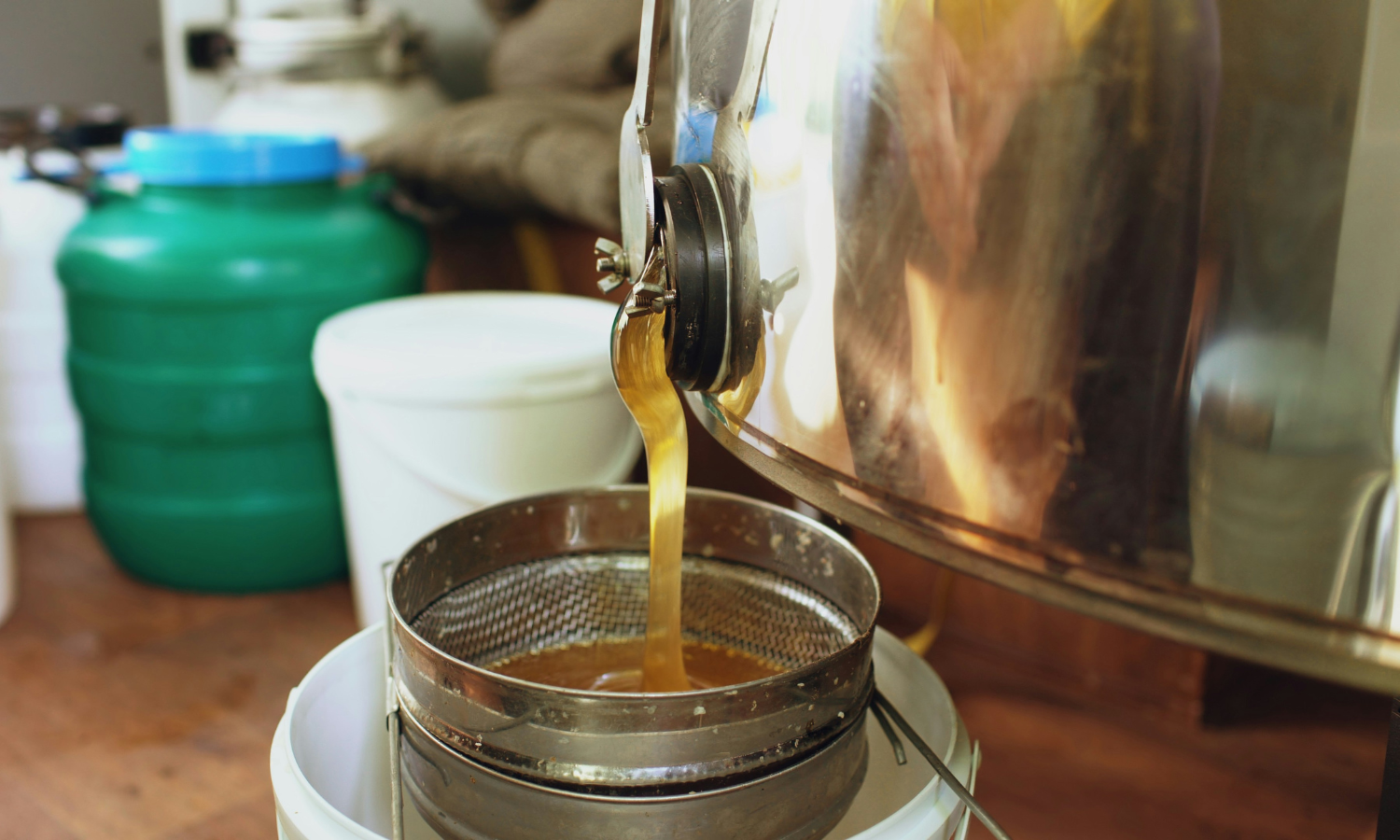
Adulteration is the addition of unauthorized and often harmful substances, while substitution and dilution involve replacing or reducing a valuable ingredient with a cheaper alternative—mixing lower-cost vegetable oil into olive oil, adding inexpensive syrups to honey, or selling a cheaper fish species as a more expensive one.
Mislabeling misrepresents characteristics such as a food’s identity, origin, quality, or production method. Examples include selling conventional products as organic or farmed seafood as wild-caught. Other common forms of food fraud include fraudulent packages resembling popular products, and the sale of stolen or diverted products.
These practices pose significant risk to food safety and public health. Undeclared substituted ingredients can expose consumers to allergens, while adulterants may introduce toxic substances.
In 2023, hundreds of U.S. children were poisoned after consuming applesauce made with cinnamon adulterated with lead chromate, a lead-based pigment used to enhance color. Formalin, a product used to preserve human bodies, is illegally used to preserve meat and milk, and has been linked to cancers of the nasal cavity and leukemia.
Methanol, a product typically used in a variety of industrial and household products, is added to alcohol to increase the alcohol content. According to a Médecins Sans Frontières database, ethanol-adulterated alcohol has caused more than 1,000 poisoning incidents in over 80 countries, with consequences including permanent blindness, brain damage, and death.
Responding to food fraud imposes a significant burden on the global economy and food producer livelihoods. The U.S. Food and Drug Administration (FDA) estimates US$10–15 billion per year, while noting that more recent estimates reach US$40 billion. According to the World Trade Organization, food fraud can also create an unfair competitive advantage for fraudulent businesses, diverting significant revenue from legitimate producers.
“Consumers are falling victim to a bait and switch, and the fishers who play by the rules are paying the price,” says Max Valentine, campaign director of Oceana’s illegal fishing and transparency campaign in the United States.
Food fraud can also pose significant environmental risks. The unreported use of highly toxic chemicals and pesticides in food production, and the proliferation of illegal and unregulated fishing, is driving overfishing and biodiversity loss.
And food fraud erodes confidence in the food system. Food supply chains rely on businesses, regulators, and consumers being able to trust representations about what products contain and where they come from, and deliberate falsification undermines that trust.
New and improving technologies are expanding the tools available to identify fraud. Analyzing chemical bonds or isotopes can now be used to assess a product’s composition or geographic origin, according to research published in Trends in Food Science & Technology.
According to the FDA, analytical DNA sequencing and barcoding can help detect species substitution in products such as seafood. And emerging tools such as portable testing equipment and machine-learning models may allow faster authenticity checks.
Traceability technologies can also create more detailed records as products move through supply chains. The more data collected and added to the blockchain, the harder it is for a company to lie about their product, Jayson Berryhill, Co-Founder of Envisible, tells Food Tank. “You have an immutable ledger of what was claimed at a certain time, which creates a disincentive for fraud,” Berryhill says.
But prevention and detection remain a global challenge. Fraudulent practices are designed to escape notice, and fraudulent products often closely resemble authentic ones in appearance, taste, and composition. And, according to research published in the Journal of Food Protection and PNAS, increasingly complex, opaque, and global food supply chains are amplifying opportunities for fraudulent practices.
According to FAO, the FDA, and research published in Trends in Food Science & Technology and Food Packaging and Shelf Life, technology cannot prevent food fraud on its own. Data and data-based tools are unlikely to be a complete solution because food fraud ultimately involves human behavior, FAO explains. A response requires a blend of regulatory measures, enforcement, industry cooperation, and consumer education, according to the World Trade Organization.
Articles like the one you just read are made possible through the generosity of Food Tank members. Can we please count on you to be part of our growing movement? Become a member today by clicking here.
Photo courtesy of Vitaly Gariev