This article is part of Food Tank’s primer series, “Food Tank Explains.” Each installment unpacks the ideas, innovations, and challenges shaping today’s food and agriculture systems, offering clear insights into complex topics. To explore more articles in the series, click here.
Land tenure is the legal or customary framework governing the ownership, control, and transfer of land. Land tenure systems determine who can use land, for how long, and under what conditions.
Secure land tenure refers to the assurance that individuals and communities can exercise recognized rights to access and benefit from land without fear of eviction, displacement, or competing claims. Tenure security varies with local conditions, including legal protections, social recognition, and the institutions that uphold land rights.
Ownership, tenure, or use rights are formally documented for just 35 percent of the world’s land, according to the U.N. Food and Agriculture Organization (FAO). And almost one in four adults worldwide, or 1.1 billion people, believe they may lose rights to some or all of their land or housing in the next five years.
Historically marginalized groups are particularly susceptible to tenure insecurity, often facing disproportionate challenges in accessing and securing land rights. 90 percent of landholdings in low- and middle-income countries are not documented.
Indigenous Peoples and other customary tenure holders hold ownership rights for only one of the 5.5 billion hectares of land that they occupy. And men are more likely than women to own or hold secure rights to land in almost every country with available data.
Meanwhile, population growth and urbanization are driving demand for land, degradation is reducing suitable farmland, and, according to the World Resources Institute, administrative barriers to ownership are growing.
According to international organizations including FAO, UN-Habitat, and Global Alliance Against Hunger and Poverty, and research published in the Journal of Land Use Policy and Frontiers in Sustainable Food Systems, clear, secure, and equitable land tenure and property rights are fundamental to improving food security, reducing poverty, supporting climate resilience, and advancing gender equality.
Land insecurity can lead to lower productivity, says FAO Chief Economist Maximo Torero.
Many practices that increase production require investments that may take years to produce returns. Growers may hesitate to invest in infrastructure or soil improvements without certainty that they will retain long-term land access, Nikhita Jain, Senior Urban Agriculture Program Associate at LAFPC, tells Food Tank.
For many rural communities, access to land underpins livelihoods, and insecure tenure can limit economic opportunities and perpetuate poverty. Informal arrangements can also make it harder to access certain grants and government programs that require documentation of land tenure, Jain explains.
By supporting investment in agricultural productivity, improved access to credit and financing, and more stable livelihoods, secure tenure can help reduce vulnerability to poverty and food insecurity. “Secure land tenure is the difference between short-term survival and long-term food security,” says Torero.
Secure land tenure can also support more sustainable agriculture and climate action. Clear, protected rights can encourage farmers to invest in sustainable land management. Clear tenure can also make it easier to identify and manage land for conservation, restoration, and other climate initiatives.
Women produce more than half of all grown food, but rarely own the land they work and often have limited control over its use. “Women feed the world, but we would say that they feed it on somebody else’s land,” Michael Taylor, Secretariat Director of the International Land Coalition, tells Food Tank.
Discriminatory laws and social norms, inheritance and marital property rules, and weak enforcement can limit their rights, contributing to a gender gap that exceeds 20 percent in nearly half of countries with available data.
According to Landesa, an organization that has strengthened land rights for more than 700 million people, at least one-third of married women believe they would lose their land rights if their marriage ends. This insecurity not only restricts economic opportunities, but also increase vulnerability to poverty, hunger, displacement, and violence.
Land tenure is increasingly reflected in global development and climate commitments. U.N. Sustainable Development Goals 1, 2, and 5 address secure land rights, including access for small-scale producers and women, while the FAO’s Voluntary Guidelines on the Responsible Governance of Tenure (VGGT) establishes international guidance for governing tenure. At COP26, the U.N. Climate Conference 2021 (COP26), 141 countries pledged US$1.7 billion to secure Indigenous Peoples’ and local communities’ land rights.
Experts recommend multiple paths to stronger tenure security. The Global Alliance Against Hunger and Poverty highlights recognizing Indigenous and traditional territories and supporting community-based management. WRI calls for simpler processes for communities to formalize their rights, and measures to reduce imbalances between communities and companies competing for land.
Landesa points to several approaches for strengthening women’s land rights, including improving legal literacy and expanding women’s access to and role in governing land under customary tenure systems.
Society for Conservation Biology researchers caution against one-size-fits-all approaches, recommending that interventions account for local conditions, traditional governance, and customary practices.
Articles like the one you just read are made possible through the generosity of Food Tank members. Can we please count on you to be part of our growing movement? Become a member today by clicking here.
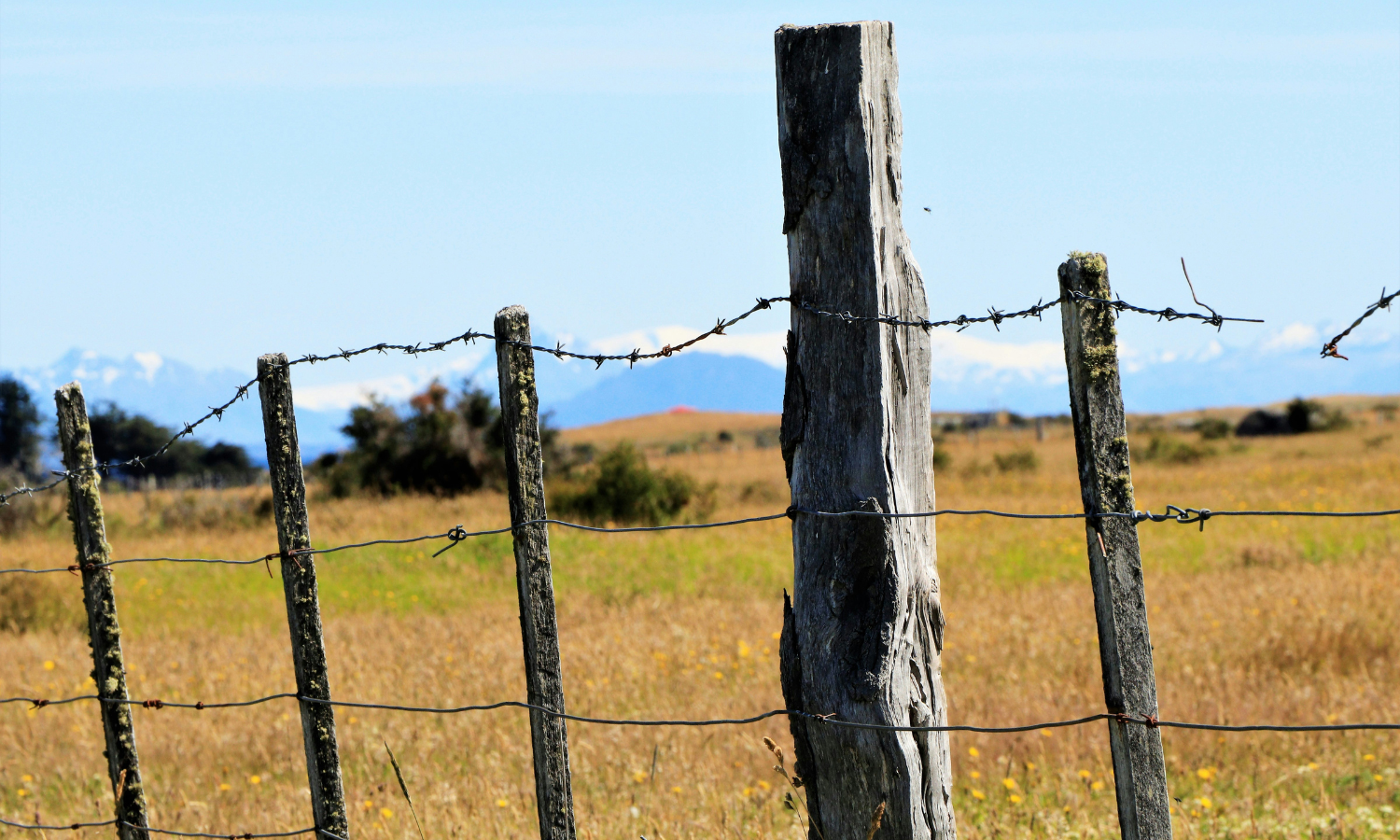
Photo courtesy of Luiza Braun