
El Niño will likely increase in intensity through the end of 2026 and into 2027, according to the National Oceanic and Atmospheric Administration (NOAA). Extreme weather, including drought and heavy rainfall, threaten farmers’ livelihoods, but food security and policy experts say it’s still possible to mitigate losses.
The World Meteorological Organization (WMO) is urging governments to prepare agriculture, water systems, and vulnerable communities before El Niño reaches its peak. The agency is strengthening seasonal forecasting to help countries avoid disaster.
“We have the data and it is not too late for early action,” Lifeng Li, Director of the Land and Water Division for the U.N. Food and Agriculture Organization (FAO), tells Food Tank. WMO states that these early measures help governments protect both livelihoods and food supplies preventing crises when extreme weather arrives.
For farmers, preparation cannot wait until harvest, says Andrew Kruczkiewicz, Senior Researcher at Columbia University and Principal Investigator within the National Center for Disaster Preparedness (NCDP) at Columbia Climate School. “Governments should combine seasonal forecasts with local community knowledge to make practical decisions that translate into actions before disasters unfold,” he tells Food Tank.
Kruczkiewicz highlights the importance of accurately communicating risk and understanding farmer’s needs during the early planning. He also wants to see governments distribute drought-tolerant seeds, expand irrigation, improve water storage, and strengthen agricultural extension programs.
Flooding also puts logistics and infrastructure at risk. “Damaged roads, bridges, and storage facilities can prevent farmers from bringing food to market even when harvests survive,” Kruczkiewicz tells Food Tank. Infrastructural improvements to protect these systems can help keep food moving during extreme weather.
Regions including South America, South Asia and sub-Saharan Africa are some of the regions most likely to be hit hardest by El Niño’s effects. Adam Scaife, Head of long-range prediction at the UK Met Office, also expects worsening drought and flooding across parts of India, Australia. These regions produce many of the world’s staple crops, including maize, rice, soybeans, wheat, coffee, and cocoa.
El Niño is expected to arrive as global food systems are already under pressure from geopolitical conflicts, volatile input costs, and fragile supply chains. Sarah Kapnick, Global Head of Climate Advisory at JPMorgan, warns that the climate pattern could compound these existing disruptions.
Fertilizer markets illustrate how these pressures can amplify challenges, according to Kapnick. Delays in nitrogenous fertilizers shipments by the war in Iran may reduce yields. If lower harvests align with further disruptions, she states commodity prices and food inflation may rise for months afterward.
The World Bank recommends strengthening international cooperation to maintain stable global food supplies. Coordinated action on trade, fertilizer supplies, market monitoring, food reserves, and climate preparedness can help countries respond to disruptions before they escalate into broader food insecurity. Global cooperation can also help scale the solutions.
The International Fund for Agricultural Development (IFAD) highlights the importance of building resilience into long-term growth architecture. “Investing in resilience now will allow a more sustainable transition into the future” Sara Mbago-Bhunu, Director of East and Southern Africa Division at the IFAD, said during a recent episode of Food Talk with Dani Nierenberg. Mbago points at promoting agroforestry, protecting water sources and supporting soil fertility to strengthen agricultural systems and deliver long-term resilience.
Articles like the one you just read are made possible through the generosity of Food Tank members. Can we please count on you to be part of our growing movement? Become a member today by clicking here.
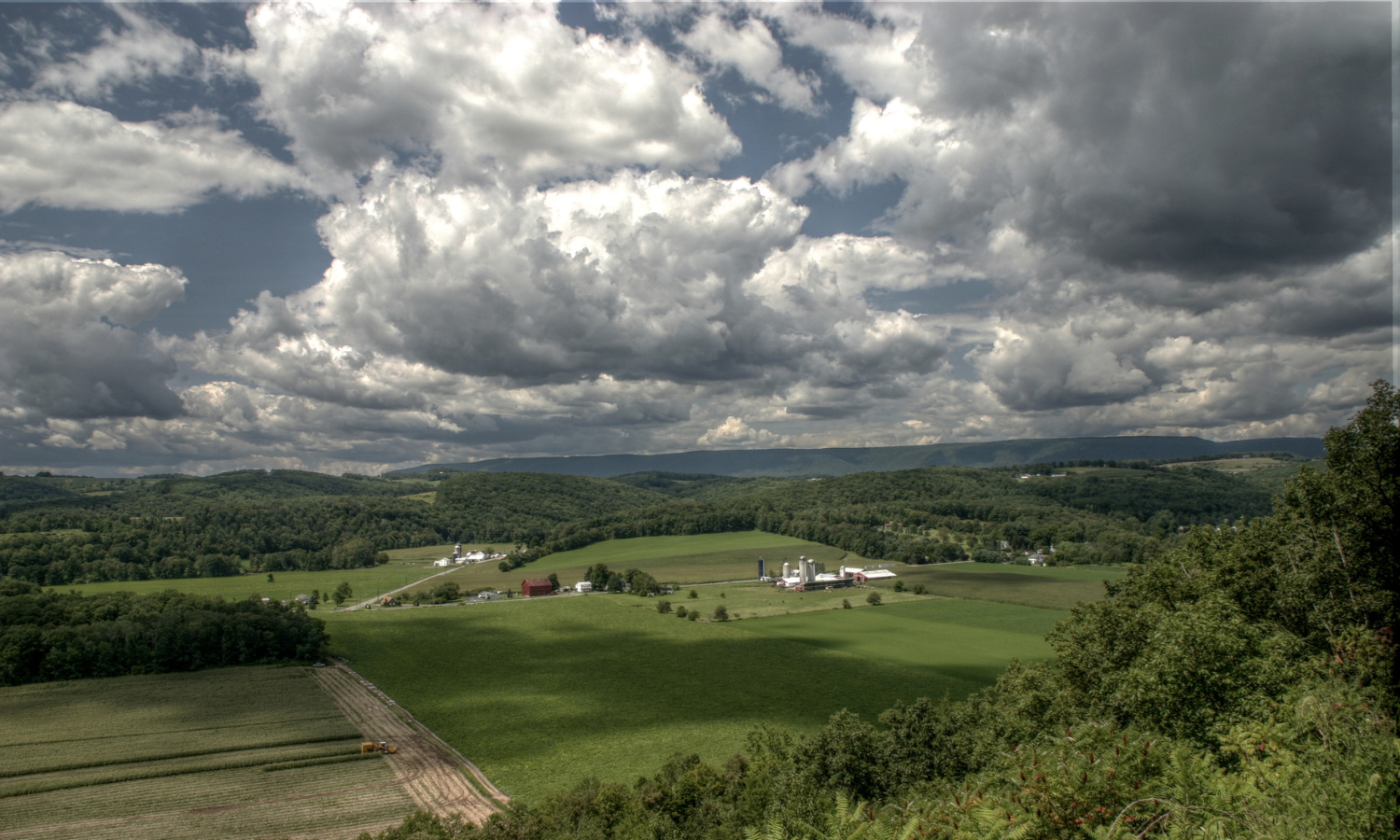
Photo courtesy of Thadd Selden, The Creative Commons