
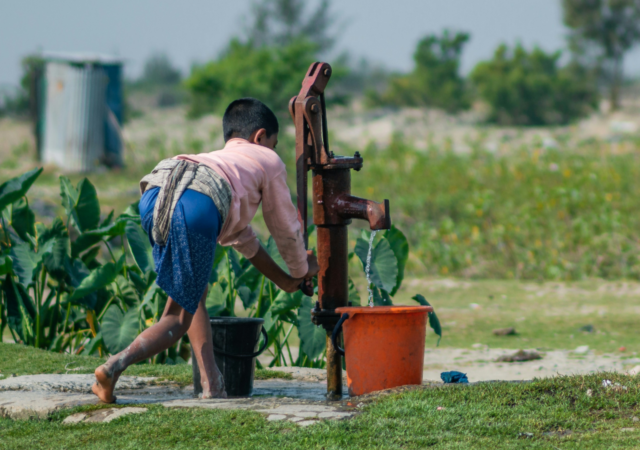
Water shortages, climate change, and growing demand threaten global water security, with consequences for agriculture, public health, and ecosystems.
Food Tank Explains
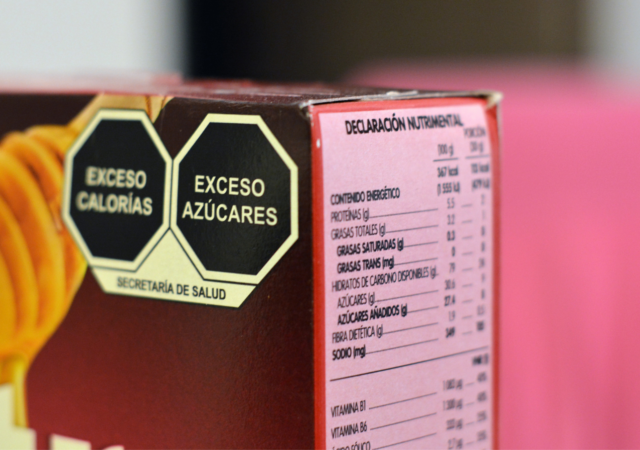
Food Tank Explains: Food Labeling
Food labels help consumers understand and compare products through information about nutrition, ingredients, allergens, safety, and other characteristics.
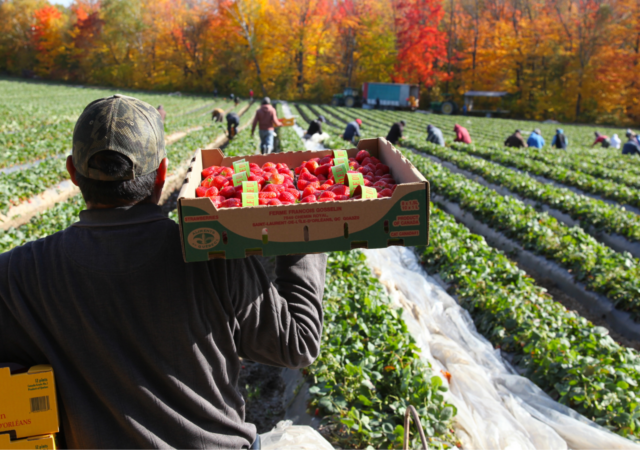
Food Tank Explains: H-2A Visa Program
H-2A workers now fill one in six U.S. agricultural jobs, but the program’s rapid growth has brought new scrutiny of how it works and whom it serves.
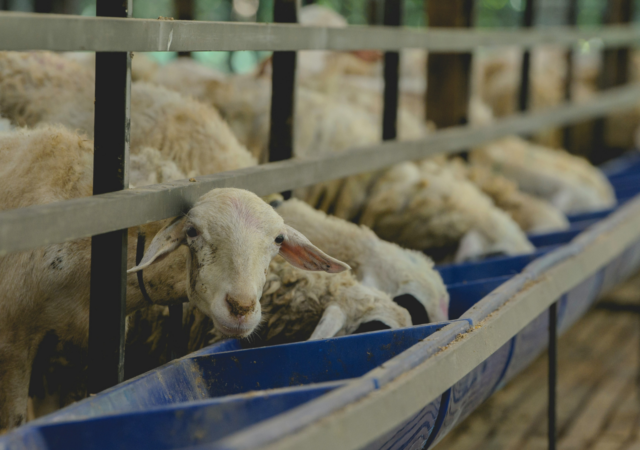
Food Tank Explains: Antimicrobial Resistance
Drug-resistant infections are rising worldwide, and antimicrobial use in agriculture is one important part of the problem.
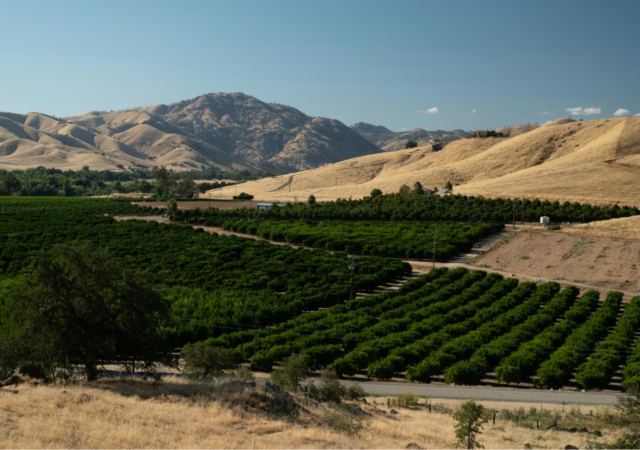
Food Tank Explains: Dryland Farming
Dryland farming supports food production without irrigation, relying entirely on rainfall.
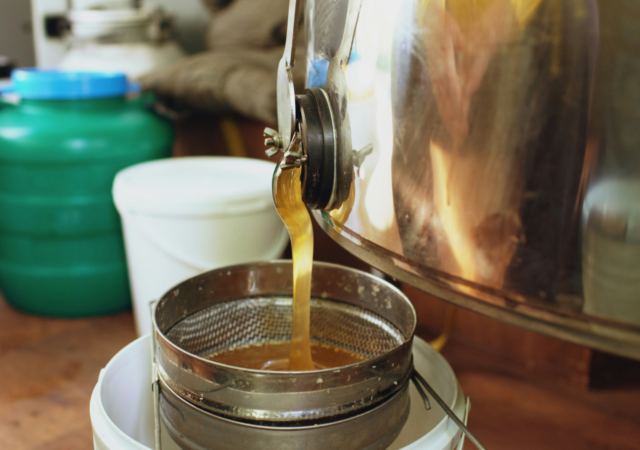
Food Tank Explains: Food Fraud
Food fraud ranges from adulterated ingredients to mislabeled products, and can threaten public health, producer livelihoods, and the environment.
Food Tank Explains: Land Tenure
Land tenure can shape how farmers invest, how communities make a living, and who has the power to make decisions about land.
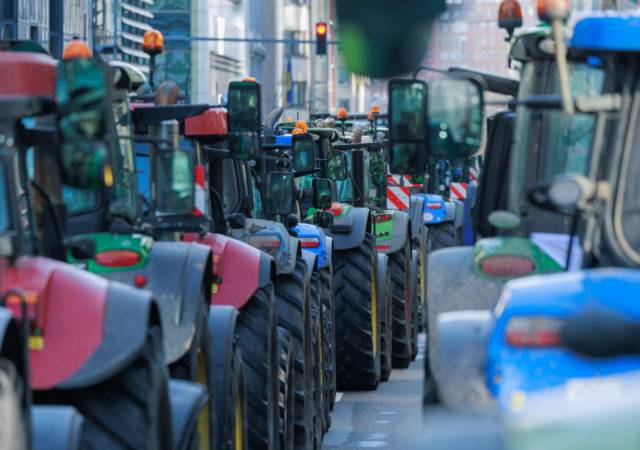
Food Tank Explains: Food Justice
This primer on food justice explains how equitable food systems support food equity, worker rights, and self-determination.

Food Tank Explains: Blue Foods
Food Tank’s guide to blue foods explores fisheries, aquaculture, seafood, seaweed, nutrition, food security, and sustainable aquatic food systems.
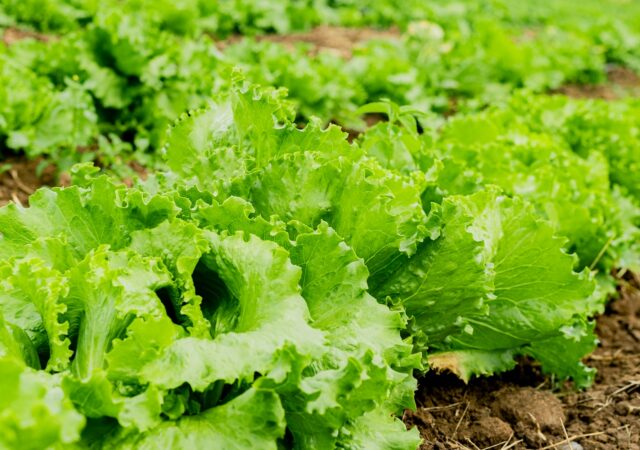
Food Tank Explains: Organic Agriculture
From healthier soils to stronger ecosystems, here’s how organic farming works and why interest in it continues to grow.
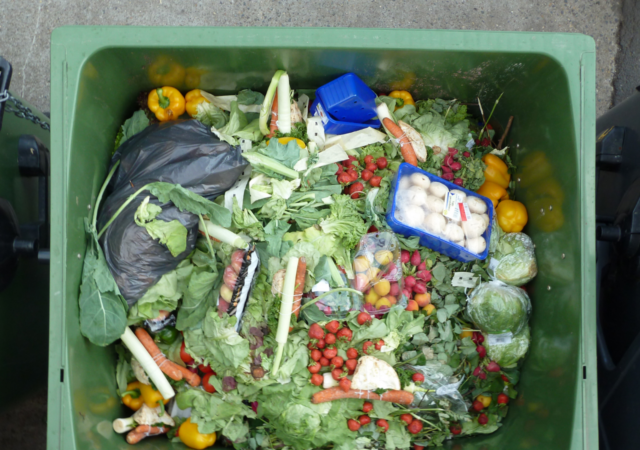
Food Tank Explains: Food Loss and Waste
Food loss and waste occur at different stages of the food supply chain, impacting food security, emissions, and natural resource use worldwide.

Food Tank Explains: Functional Foods
Functional foods may support health beyond basic nutrition, but questions remain about how they should be defined, regulated, and evaluated.
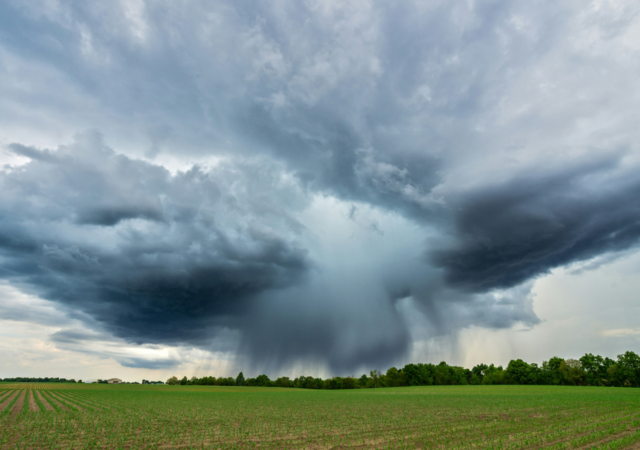
Food Tank Explains: El Niño
Changing Pacific Ocean temperatures during El Niño can trigger droughts, floods, and widespread impacts on food systems and marine ecosystems.
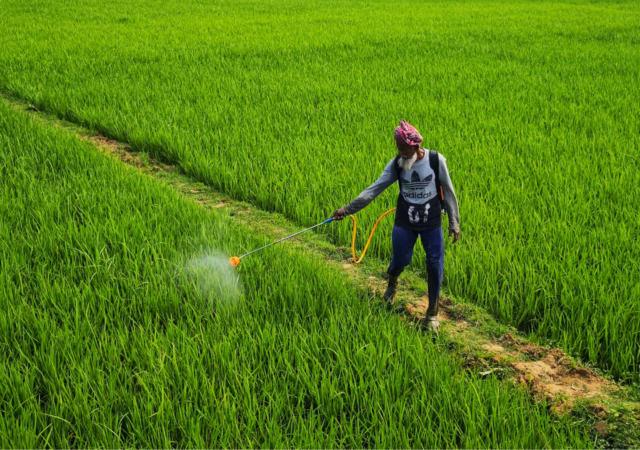
Food Tank Explains: Integrated Pest Management
Integrated Pest Management helps farmers manage pests through biological, cultural, physical, and chemical controls.
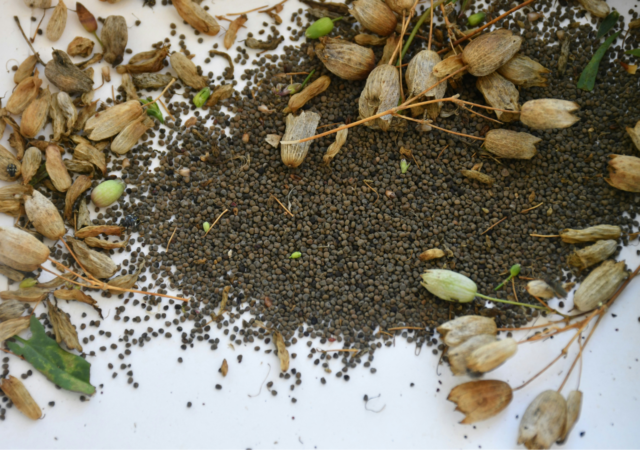
Food Tank Explains: Seed Saving
From ancient farming traditions to modern seed sovereignty movements, seed saving continues to shape food systems worldwide.
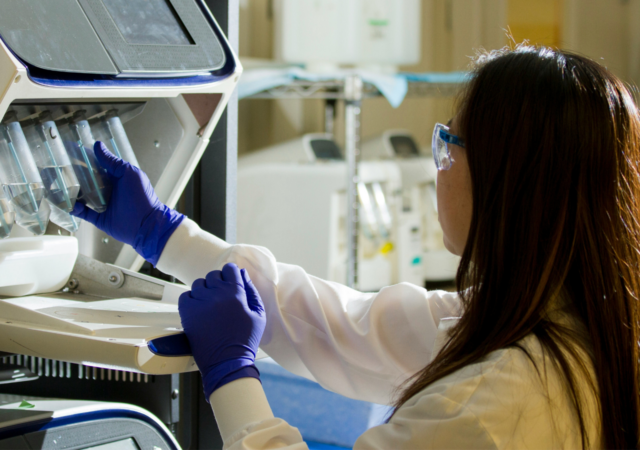
Food Tank Explains: CRISPR
How can gene-editing technology help us shape the future of our food and agriculture systems? Learn more in Food Tank’s latest primer.
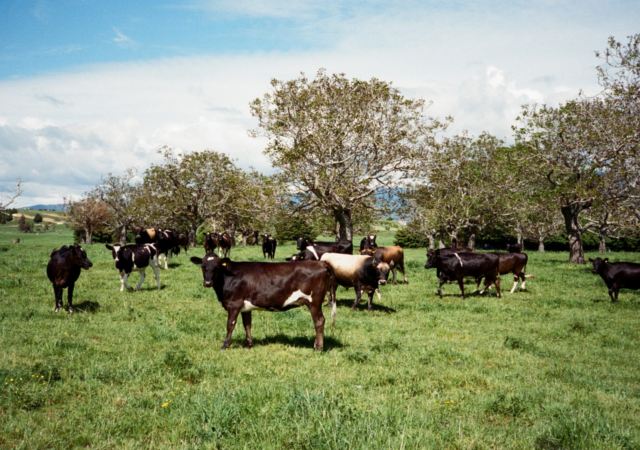
Food Tank Explains: Agroforestry
Agroforestry integrates trees, crops, and livestock into interconnected systems that can benefit farmers, communities, and ecosystems.
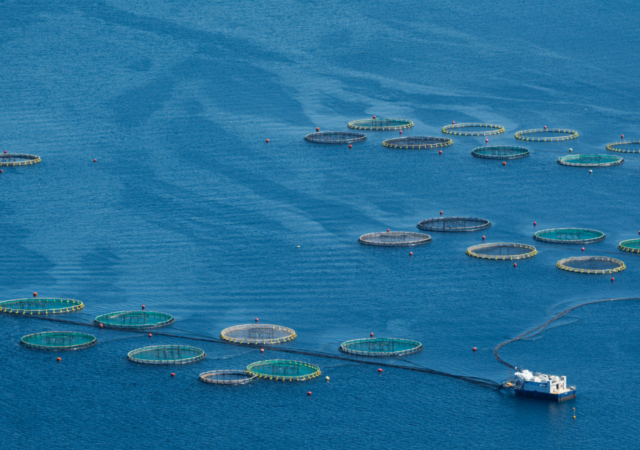
Food Tank Explains: Food Traceability
As food supply chains grow increasingly globalized and complex, traceability systems help connect products to their origins. This primer explains how the systems improve transparency, safety, and supply chain accountability.
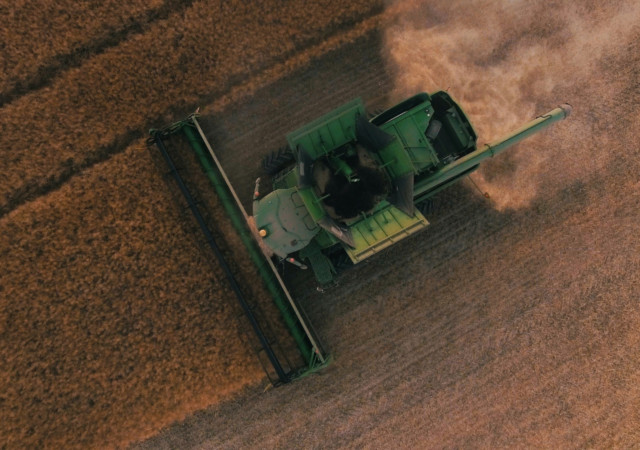
Food Tank Explains: The Farm Bill
From conservation funding to nutrition assistance, the Farm Bill affects farmers, consumers, and food systems nationwide.

Food Tank Explains: Precision Agriculture
Precision agriculture is an approach to farming that uses technology to collect and synthesize data. This primer outlines common precision tools, how they’re used, and how they’re impacting efficiency and sustainability.