
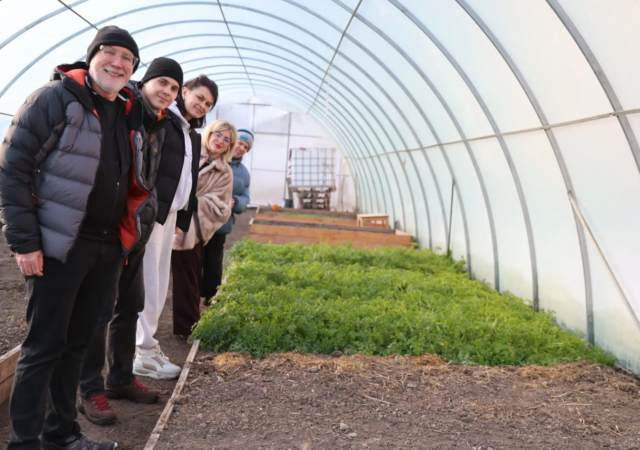
Effective Aid Ukraine is using farming and cooking to help young people with disabilities build skills, confidence, and independence.
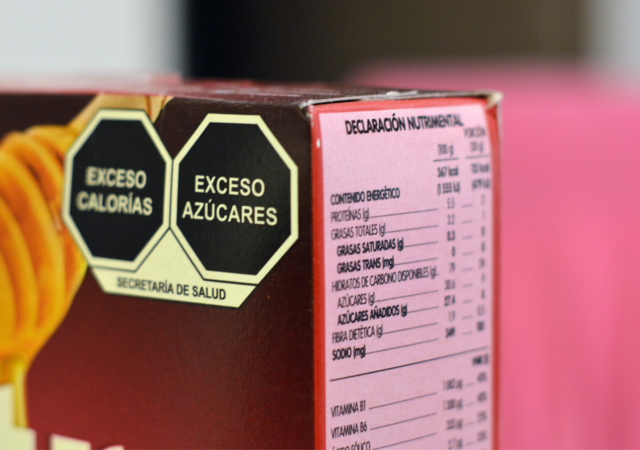
Food Tank Explains: Food Labeling
Food labels help consumers understand and compare products through information about nutrition, ingredients, allergens, safety, and other characteristics.
The Future of Food Depends on Water
From sustainable fisheries to aquaculture, blue foods can help strengthen food security, support livelihoods, and build resilience in a changing climate.
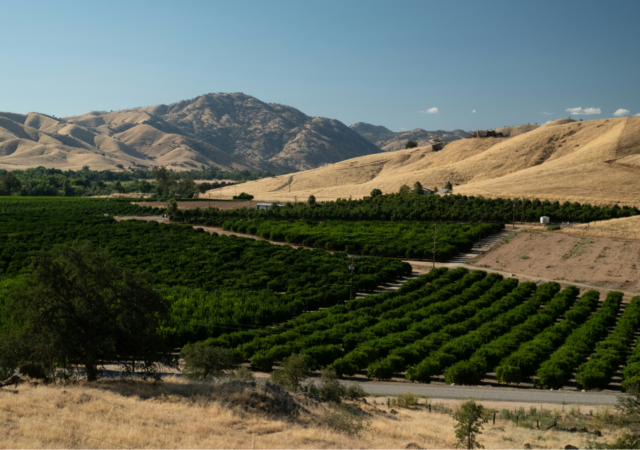
Food Tank Explains: Dryland Farming
Dryland farming supports food production without irrigation, relying entirely on rainfall.

Food Tank Explains: Food Fraud
Food fraud ranges from adulterated ingredients to mislabeled products, and can threaten public health, producer livelihoods, and the environment.
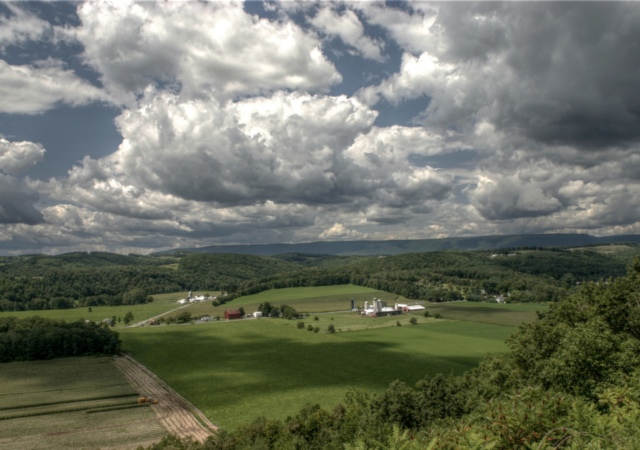
The Race to Protect Food Systems: Supporting Farmers Before El Niño
El Niño could bring more drought and flooding, but early action can help protect farmers, food supplies, and vulnerable communities.

Food Tank Explains: Land Tenure
Land tenure can shape how farmers invest, how communities make a living, and who has the power to make decisions about land.
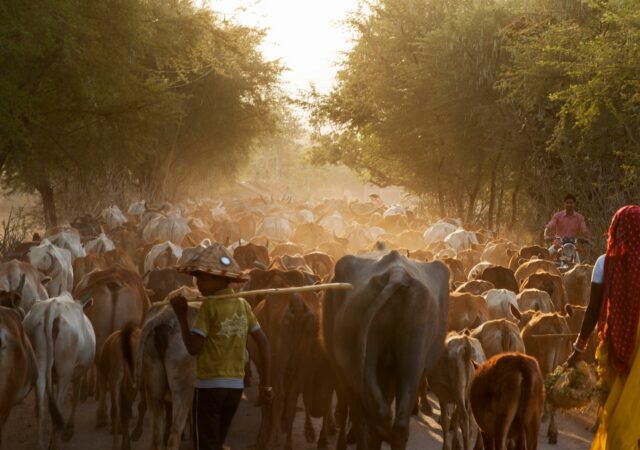
Food Tank’s Weekly News Roundup: U.S. Restores Health Aid, Companies Block Action on UPFs, New Tool Boosts Water Security
This week, the U.S. restores health aid, countries adopt a framework on sustainable livestock management, corporations slow progress on ultra-processed foods, a new tool promises to boost water security.

Food Tank Explains: Blue Foods
Food Tank’s guide to blue foods explores fisheries, aquaculture, seafood, seaweed, nutrition, food security, and sustainable aquatic food systems.
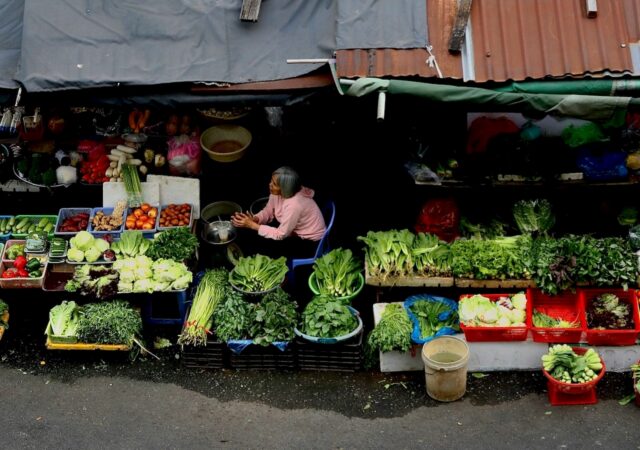
Global Hunger Falls for Third Straight Year, But Zero Hunger by 2030 Remains Out of Reach
The world is making progress against hunger, but a healthy diet remains too expensive for nearly one-third of the population.

Food Tank Explains: Functional Foods
Functional foods may support health beyond basic nutrition, but questions remain about how they should be defined, regulated, and evaluated.
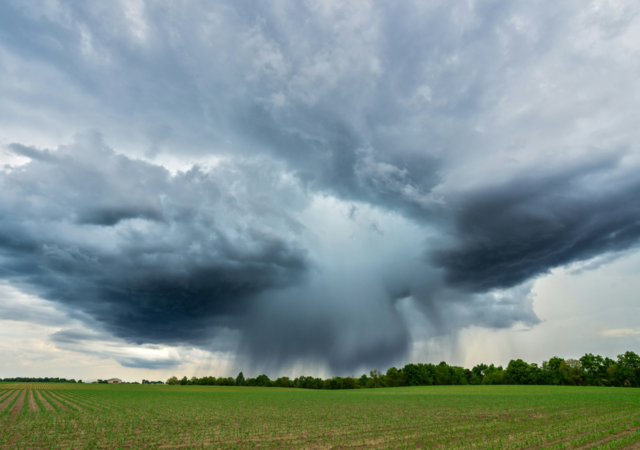
Food Tank Explains: El Niño
Changing Pacific Ocean temperatures during El Niño can trigger droughts, floods, and widespread impacts on food systems and marine ecosystems.

Op-Ed | Smart Farming Is Not the Future. It Is Already Here.
The next agricultural revolution is underway.

Food Tank Explains: Food Sovereignty
Food sovereignty is the right of communities to define how food is produced, distributed, and consumed. This explainer outlines its origins, principles, and how it challenges industrial agriculture by prioritizing equity, sustainability, and local control.

Op-Ed | The Nutritionists Are Right. We Must End Hunger Differently.
Investing in nutrition-sensitive agriculture ensures not just more food, but more healthy food.
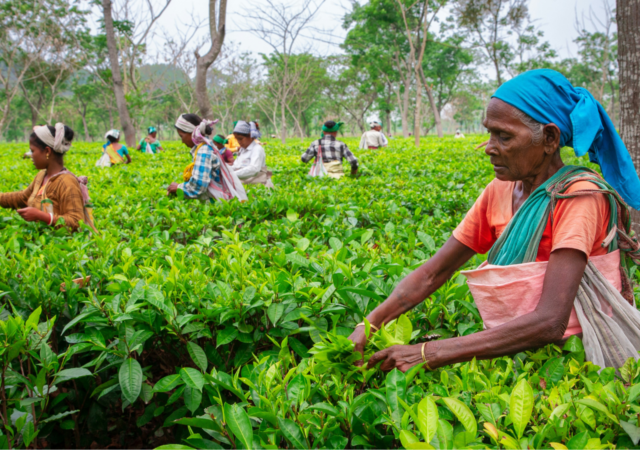
Food Tank Explains: Agroecology
What is agroecology? Food Tank’s primer explores its roots, core principles, and role in building sustainable, just food systems.
Food Tank’s Weekly News Roundup: Farm Leaders Warn of Collapse, Investors Ignore Methane, and Nipah Virus Alerts
This week’s roundup covers urgent warnings from farm groups, climate-driven crop shifts, investor inaction on methane, and regional health alerts.
Op-Ed | The Global Food System Is Broken—and Fixing it Will Take More than Good Intentions
One estimate shows that up to US$1 billion could be saved by reducing redundancies and improving collaboration between U.N. food agencies.

Food Tank’s Weekly News Roundup: MAHA Strategy Report, USDA Delays, and Pesticide Progress
This week’s news roundup explores new pesticide restrictions in Mexico and France, unspent USDA farm funds, the MAHA strategy, and more.

Food Tank and The Rockefeller Foundation to Spotlight Regenerative Food Systems at Climate Week NYC
Conversations will explore how regenerative school meals can trigger positive impact across the food value chain, from farmer to eater.