Protein is having a moment with good reason. It is a fundamental building block of life, shaping muscle strength, metabolism, and overall health. Beyond its role in muscle synthesis, proteins give rise to bioactive peptides that are being explored for their potential to influence diverse biological pathways, including those related to satiety and metabolic regulation, such as GLP-1 signaling.
At the same time, how we produce protein has profound implications for the planet. From agricultural systems to processing methods, protein sits at the intersection of human and ecosystem health. I walked into the 2nd Protein Summit expecting to hear talks and panels centered exactly on this. While health and sustainability were certainly key drivers of the conversation, it kept circling back to something more experiential—taste.
Food enterprises have long understood the power of taste. They have cultivated for it in fields and formulas by sometimes sourcing the most delicious ingredients from regenerative farms and sometimes by optimizing for fat, salt, and sugar in ways that drive overconsumption and contribute to poor health outcomes.
The conversation here felt different. We’re amid a value-based and health-based global protein transition, reshaping what we produce, how we produce it, and how we deliver it at scale for the health of people and planet. Tyler Lorenzen, CEO of Puris, stated it clearly: Taste is the on-ramp to healthier habits. As a former NFL player, a target market for performance nutrition, he deeply understands protein foods for muscle synthesis. Yes, leucine may be the key amino acid for muscle growth, but muscles can’t tell where amino acids come from. People, not muscles, choose foods and they choose for taste. More than 80 percent of Americans are estimated to prioritize taste when making food choices.
Food enterprises across the protein spectrum from regenerative beef ranchers to fermentation, insect, plant-based, and blue food innovators are converging on this realization: We cannot compromise on taste, convenience, or affordability if we want health and sustainability solutions to scale.
Beneath this transition sits a deeper scientific question: How do we ensure protein quality, and can we make it delicious? For decades, protein has been measured through total protein that we see at the back of a nutrition label. More recently the dialogue has expanded to amino acids and digestibility. Yet these measures do not fully capture protein quality, defined by the diversity and interactions of proteins with the food matrix, human physiology, and the environment, including: biomolecular diversity, including bioactive peptides; food matrix interactions that influence digestion and function; functional properties that shape texture, stability, and nutrient release; bioavailability, digestibility, and metabolism; and biological responses across pathways such as muscle synthesis, inflammation, and gut health.
Critically, proteins shape taste. Peptides contribute to flavor including umami. Interactions within the food matrix determine how flavors are released and perceived over time.
The next frontier of protein is moving from crude measures to high-resolution data that drives desirability in our psyches and mouths, and functionality in our bodies. The Periodic Table of Food Initiative (PTFI) maps food molecular diversity, revealing how protein quality, and more broadly how food quality varies across crops, environments, and production methods.
A recent study led by PTFI Center of Excellence Javeriana University and the Future Seeds gene bank makes this clear across bean varieties. Beans are often treated as uniform protein sources, valued for accessibility, soil-enhancing properties, and low ecological footprint. This study reveals that different bean varieties carry distinct protein and enzyme profiles, and links to metabolic pathways that influence ecological resilience, nutrition, health, and taste.
This points toward a new way forward. There is no single best protein. There is a landscape of protein diversity that meets each of our values, desires, and microbiomes. Within this diversity is the potential to design foods that deliver on function and flavor with precision. And this knowledge must translate into food environments where the most desirable protein choice is healthy, affordable, and culturally relevant.
This is where new AI tools bridge the gap upstream, removing the burden from the consumer. Heritable Agriculture uses AI to design and breed healthier, more resilient crops. PTFI’s Swap It Smart tool led by the American Heart Association in collaboration with UC Davis and funded by a Bezos Earth Fund AI Grand Challenges Award uses AI to optimize meal quality across ecological sustainability, nutrition, health, affordability, and taste. In parallel, advances in sensory modeling, including efforts led by NECTAR, are predicting how molecules translate into flavor. Together, these efforts move us toward shaping desirable food systems grounded in data.
We must start with what we want to experience. We can build food systems where place-based biodiversity is celebrated, protein is understood in its complexity, and where the foods that enable us to thrive are the foods we crave and can access. The future of protein is delicious.
Articles like the one you just read are made possible through the generosity of Food Tank members. Can we please count on you to be part of our growing movement? Become a member today by clicking here.
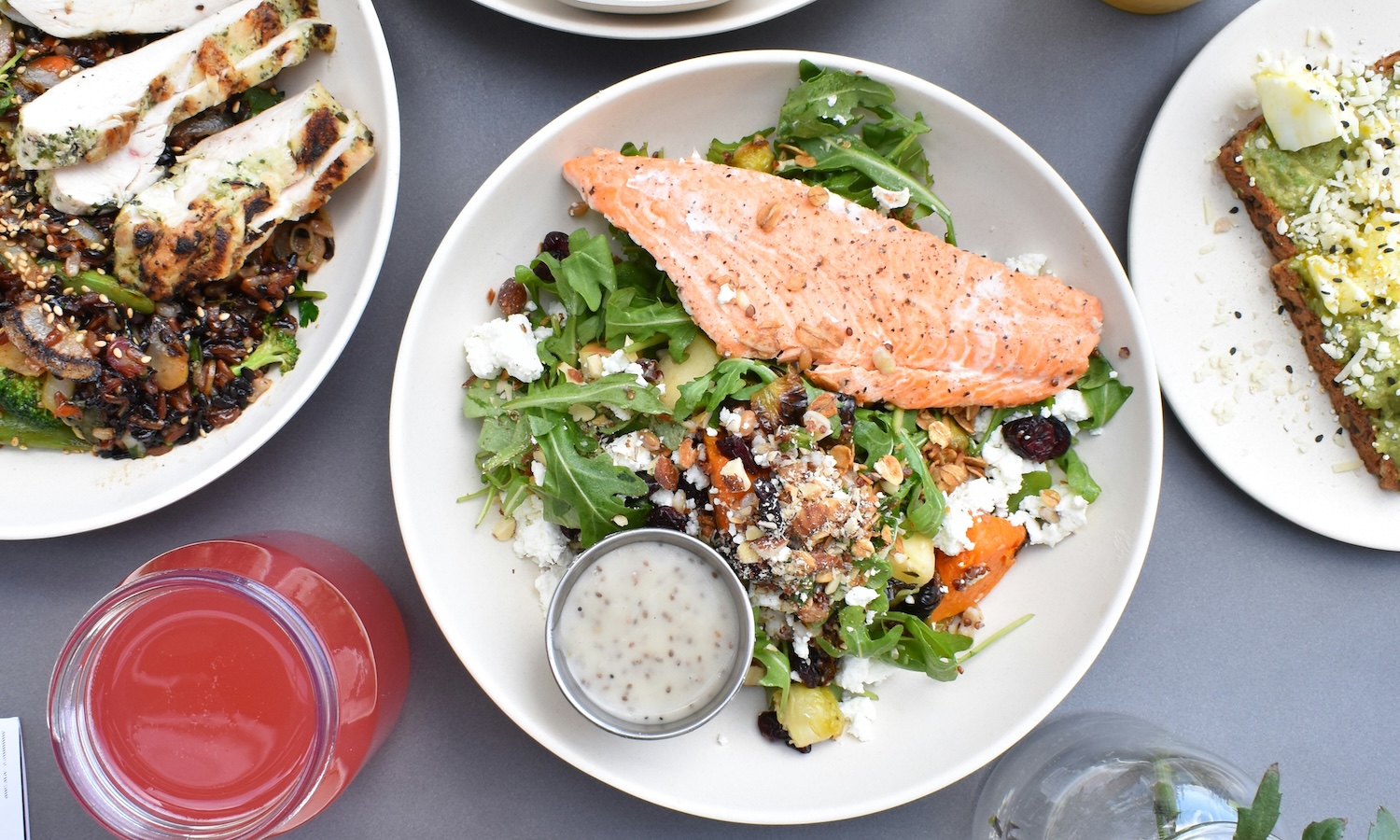
Photo courtesy of Shayda Torabi, Unsplash