

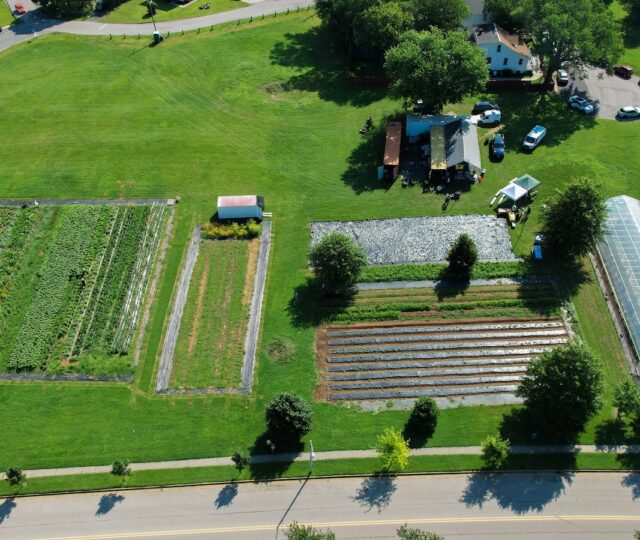




A historic grant has allowed Baltimore to expand access to healthy food. As the expiration date for the funding nears, the city is looking for new ways to sustain its successful programs.
Nutrition

‘Food Is Medicine’ Shows Fixing the Food System Is a Public Health Priority
The food system is a major driver of preventable disease and environmental damage. In ‘Food Is Medicine,’ Dr. Dariush Mozaffarian lays out a path toward better health through food systems change.
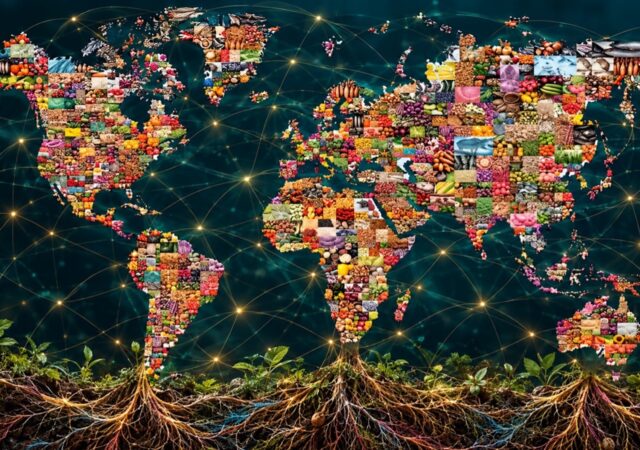
Op-Ed | Nourishing the World: Expanding Humanity’s Ambition for Food, Health, and the Planet
“Nourishment is a universal ambition, and its expression must reflect the diversity of people and places.”

13 Organizations Building Health and Community in Philadelphia
These organizations want everyone to be able to access healthy, nutritious food.

You’re Invited: What Can We Achieve When We Put Food First For Health?
Food is medicine is a movement that can achieve so much more than many of us even realize.
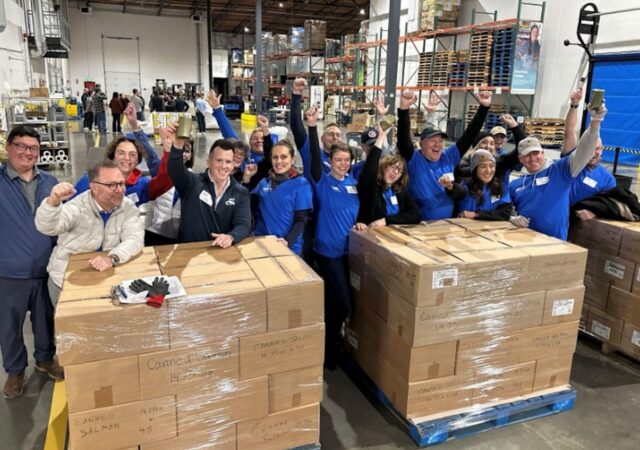
SeaShare Is Closing the Protein Gap in America’s Food Banks
Through a nationwide network of seafood industry partners, SeaShare’s food donation efforts help close the protein gap in food banks.

Food Tank’s Weekly News Roundup: Medically Tailored Groceries, Dryland Forests, Climate-Resilient Seeds
From the success of medically tailored grocery programs to calls for investment in dryland forests, here’s your weekly food news roundup.

Food Tank Explains: Food Labeling
Food labels help consumers understand and compare products through information about nutrition, ingredients, allergens, safety, and other characteristics.

The Future Of Food Education Is In Classrooms, On Farms, And Everywhere In Between
Teaching kids about food is about more than school lunches—it’s about using food as a tool to connect with core classroom subjects, panelists said during Climate Week NYC.
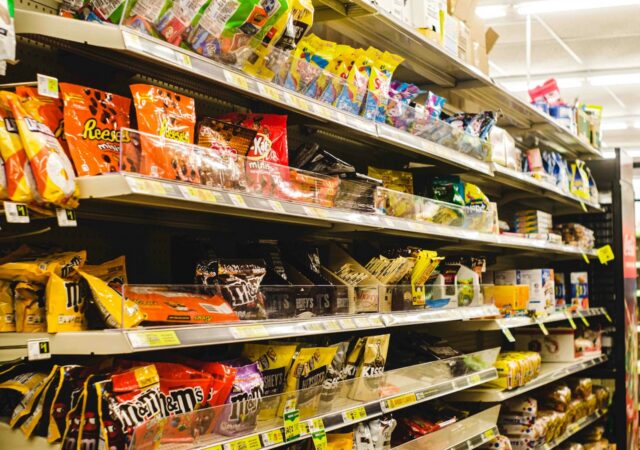
Defining Ultra-Processed Foods: From Evidence to Action
Policymakers can curb consumption of UPFs through labeling, taxation, and countermarketing campaigns.

Unboxing Breakfast: Marion Nestle on the Hidden Forces Shaping What We Eat
A new book explores the story behind America’s cereal boxes.

Revitalizing Mississippi Food Systems for Health and Equity
Rebuilding local food access requires reshaping supply chains dominated by industrial commodity farming.

‘Eat to Hustle’ Makes Plant-Based Eating Practical, Joyful, and Accessible
Robin Arzón’s latest book “Eat to Hustle” offers 75 high-protein recipes while challenging myths about plant-based eating.

Food Tank’s Weekly News Roundup: Senate Farm Bill, Soil Microorganisms, and South-South Collaboration
The Senate Farm Bill fails to advance, newly discovered soil microorganisms show promise for sustainable agriculture, an extension model brings solutions for farming communities in Nigeria.

Study Reveals Hidden Health Risks of Cheap Foods
A major loophole allows manufacturers to introduce ingredients into the food supply without FDA review.
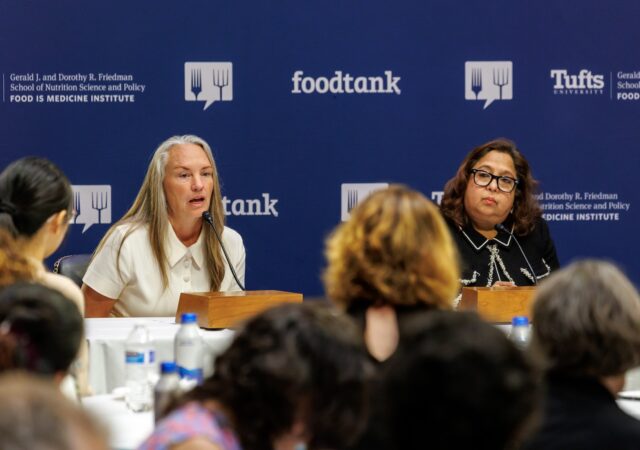
Experts Highlight the Power of Food to Improve Metabolic and Mental Health
“There’s a handful of policies that we could enact to both improve the science and improve the food right now for Americans.”

Can Better Food Policy Improve Our Memories, Moods, and Metabolisms?
Join Food Tank on Capitol Hill as we talk about the science helping us understand the powerful connections between nutrition and nearly every component of human health.

Global Hunger Falls for Third Straight Year, But Zero Hunger by 2030 Remains Out of Reach
The world is making progress against hunger, but a healthy diet remains too expensive for nearly one-third of the population.
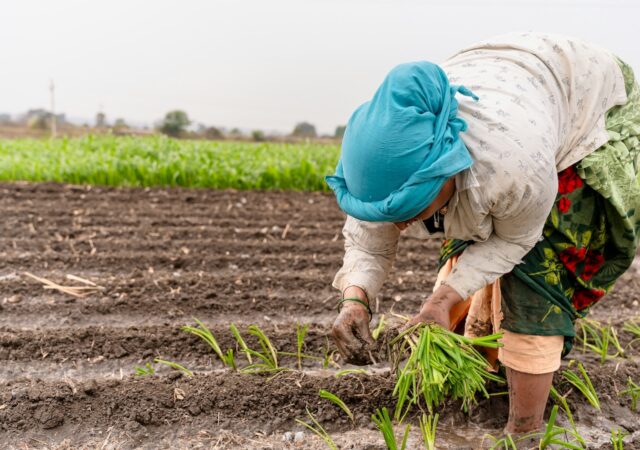
Food Tank’s Weekly News Roundup: India Acts to Empower Women Farmers, $127 Million in USDA Grants Restored, Nigeria’s Hunger Crisis Worsens
This week, one Indian state looks to pass legislation to support women farmers, a judge orders the USDA to restore millions in grants, and Nigeria’s hunger crisis deepens.

Op-Ed | The Food System Is Driving Two Crises at Once—and Could Help Solve Both
Meaningful progress on both climate and public health will require addressing some of the same upstream drivers.