The Pentagon has requested more than US$200 billion to expand the war with Iran. Meanwhile, only two in five young Americans meet basic eligibility requirements for service, with poor health, often tied to diet, among the leading disqualifiers. To invest in national security requires investing in universal nutritional security.
Tens of millions of Americans struggle to consistently access healthy food. Diet-related diseases such as heart disease, diabetes, and hypertension now drive approximately 85 percent of U.S. healthcare spending. For roughly the same cost as expanding the war with Iran, the United States could make a generational investment in nutrition security—and build the nation’s strength, resilience, and well-being through healthy food.
Policy must move beyond short term food aid and prioritize system design. Providing access to healthy food, integrating it into every aspect of the healthcare system, and building infrastructure to process and deliver healthy food represent a three-pronged strategy to build long-term nutritional security.
First, access. Today’s unhealthy food system results not simply from individual choices but policy choices that limit access. Expanding support to fully cover the cost of a nutritious diet through Supplemental Nutrition Assistance Program (SNAP) healthy fruit and vegetable incentives —paired with universal healthy school meals—would reduce food insecurity and create a stable baseline of demand for healthier foods.
The evidence shows clear benefits. A U.S. Department of Agriculture (USDA) pilot program that provided Supplemental Nutrition Assistance Program (SNAP) families with a 30-cent-on-the-dollar fruit and vegetable incentive resulted in a 26 percent increase in fruit and vegetable consumption. A study of more than 23,000 SNAP participants found healthy incentives improved key health outcomes.
Second, health care. Medically tailored meals and produce prescriptions reduce hospitalizations and overall costs for patients with chronic disease. Yet these programs remain small and inconsistently funded. Integrating nutrition into standard reimbursements through Medicare, Medicaid and private insurers would shift the system from treating disease to preventing it.
Food as medicine programs, when supporting local farm ecosystems, also drive economic growth. According to The Rockefeller Foundation, supporting local farmers through food is medicine programming would provide more than US$45 billion in annual economic benefits. Underlying all this research is a simple point: food is medicine, and food systems must be better designed to produce and deliver the medicine where it’s needed most. That is not just better care; it is a more efficient use of public dollars.
Third, infrastructure and production. The current food system excels at producing and distributing shelf-stable, highly processed foods. It is far less effective at producing and moving fresh, nutritious food at scale. That is not a failure of farmers. It is the result of policies that support factory farms and feedlots over family farms growing nourishing food. Strategic investment in regional processing, cold storage and distribution, paired with support for farmers transitioning to fruits, vegetables and diversified crops, would make healthy food more available and more affordable.
These three pillars reinforce one another. When families can afford healthy food, demand rises. When health systems and institutions commit to purchasing it, markets stabilize. When infrastructure and farms can meet that demand, accessibility improves. Over time, the system starts to sustain itself.
This is what security looks like when it is built, not just defended. The U.S. faces real threats and military readiness matters. But security is not a single line item in the federal budget. It is the product of a society’s overall resilience: its health, its economic stability, and its capacity to withstand shocks. Our fragile, unhealthy food system supply chains fail each of these priorities. We don’t need to wait for another COVID-19 sized failure to recognize the system fails Americans every day.
Economist Paul Collier once wrote that “war is development in reverse” pointing to the immense poverty and hunger in war-torn regions. The same consequences occur in countries who choose to fund war instead of feeding their people.
Congress will debate whether this war is worth the cost. It should also ask a parallel question: What would it look like to invest at the same scale in preventing the diet-related disease crisis that kills Americans every day and undermines our nation’s health and strength?
The U.S has demonstrated that it can mobilize hundreds of billions of dollars when it decides something is urgent. The challenge now is deciding whether the long-term health and resilience of the American people qualifies.
Articles like the one you just read are made possible through the generosity of Food Tank members. Can we please count on you to be part of our growing movement? Become a member today by clicking here.
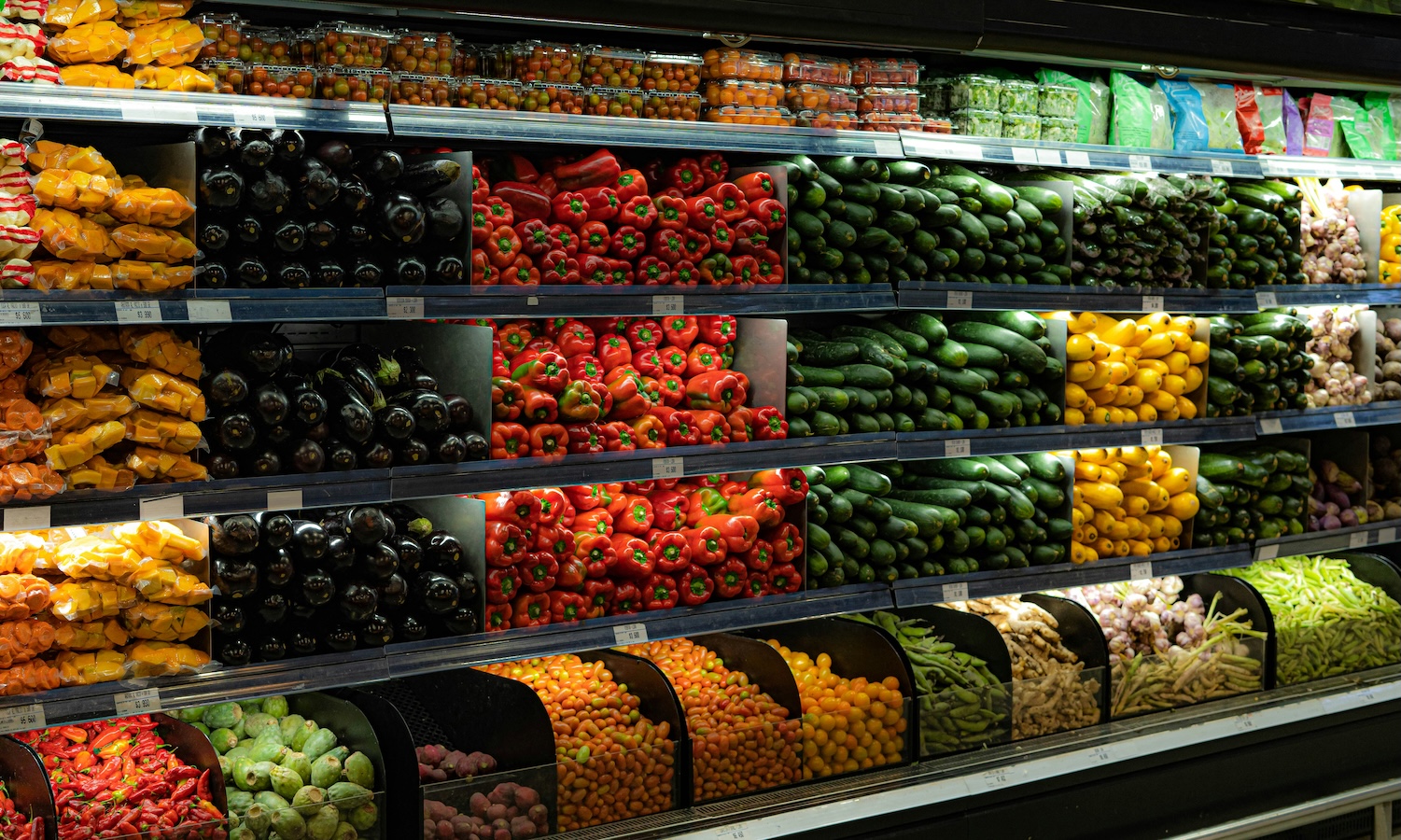
Photo courtesy Unsplash