The North American Marine Alliance (NAMA) is pushing back against corporate control of fisheries to build vibrant, community-driven blue food systems.
There is a tendency to separate aquatic and terrestrial food systems, but Niaz Dorry, Coordinating Director for NAMA, sees the same trends shaping the two.
“What has affected the world’s ability to feed itself and communities in a sovereign way to feed themselves, is we’ve taken land away and commodified it,” Dorry says. “We’ve taken fishing rights away and commodified it. We’ve taken seeds away and commodified it. We’ve now taken the water column away and commodified it.”
Increasing consolidation is posing additional challenges, affecting both farmed and wild fisheries. “Our food is being dominated by these industrial operations,” says Dorry, who worries about the companies like Cargill and ConAgra that are moving into the aquaculture sector.
This results in seafood and land-based agriculture systems that are designed for those “who can produce the most at the lowest cost of production to feed global economies of scale,” Dorry says. And that doesn’t bode well for the health and wellness of communities. “Thos are two completely different priorities,” she states.
But NAMA believes it doesn’t have to stay this way. “The world was fully capable and is fully capable of feeding itself…Let’s give people their seeds back. Let’s give people their land back, their fishing rights back,” Dorry tells Food Tank. “Let’s recreate that regional food system in order to feed ourselves and not make anything other than feeding ourselves good food inevitable.”
The organization is a steering committee member of the Don’t Cage Our Oceans campaign, which is fighting against the threat of offshore industrial fish farming in the United States.
They also convene the Catch Share Reform Coalition, which advocates for policies that center the priorities of small fishers. Through the Community-Supported Fisheries model that NAMA helped develop, they are working to empower local fishers to help them receive more for their catch while increasing local and regional access to seafood.
“We need to really, truly have a democratic system that is creating policies that are…for the people, by the people.”
Listen to the full conversation with Niaz Dorry on Food Talk with Dani Nierenberg to hear more how NAMA is pushing back against corporate control of the world’s fisheries, why diversifying the seafood we eat offers a way to honor the gifts of the ocean, and what is needed to best support the next generation of fishers.
Articles like the one you just read are made possible through the generosity of Food Tank members. Can we please count on you to be part of our growing movement? Become a member today by clicking here.
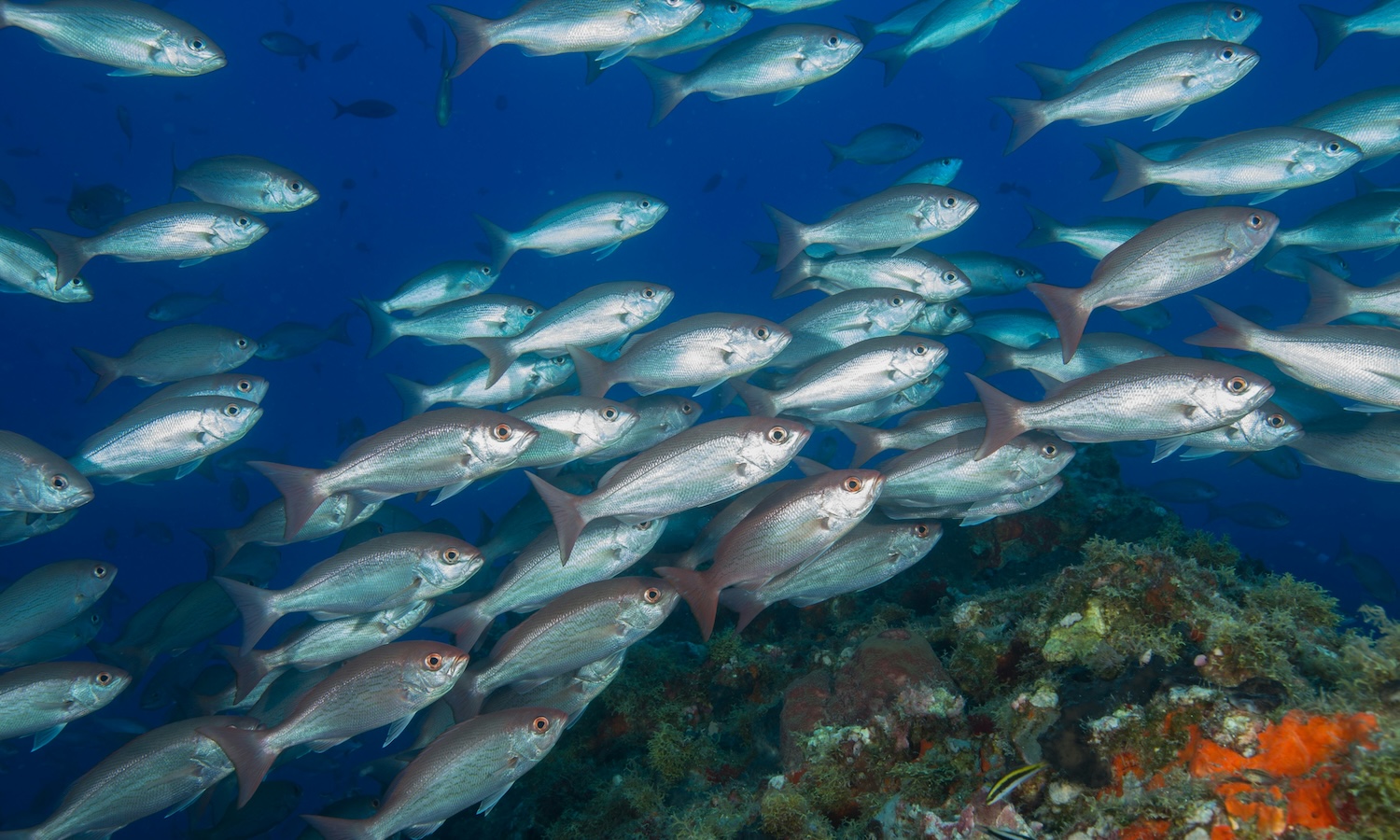
Photo courtesy of NOAA, Unsplash