The U.S. Department of Agriculture (USDA) recently canceled a US$300 million grant program designed to support underserved producers across the United States.
In 2023, the USDA selected grantee projects across 40 states and territories to expand land ownership opportunities for marginalized farmers under the Increasing Land, Capital, and Market Access (ILCMA) Program. Many of these efforts also offered agricultural training, promoted sustainable production practices, and helped farmers connect to markets.
In late March, the agency issued termination letters to 49 of the 50 projects. Farm Service Agency Associate Administrator Steven Peterson called the grants “discriminatory.” And the USDA claimed “most of the awards did little to improve land access” and that there was “excessive spending on outreach and technical assistance.”
But the projects were hardly allowed to move forward, says Amanda Koehler, Manager of the Land, Capital, and Market Access Network, an independent group that brings together awardees and sub-awardees of the grant program.
“They froze the funding for four months. They cut off communication with awardees,” Koehler tells Food Tank. She says that program officers were trying to purchase land or create mini-grants for producers, but the required pre-approvals from officials never came. “The USDA really undermined this program and made it really challenging for these projects to do what they were designed to do.”
The kind of support that the ILCMA Program offered, however, is crucial to sustaining the agriculture sector, according to the National Young Farmers Coalition. USDA data show that the average age of farmers in the U.S. is on the rise and nearing 60.
The issue isn’t that young people don’t want to farm, Koehler says. It’s that the infrastructure doesn’t exist as they try to enter the sector. “We have a very fragile farm and food system right now, one that young people do want to be a part of, but we have so many barriers against us.”
Land access is the biggest challenges, but consolidation in the agriculture sector, student loan debt, and the rising cost of healthcare and housing are also holding back young and young and beginning farmers. The burden of these obstacles is particularly felt by Black farmers, who make up less than 2 percent of producers today.
But farmers are increasingly speaking out and sharing their stories, helping policmakers see the realities that they face. And Koehler is made optimistic by the solidarity she sees in her own community. The urgency is great, she says, and time is running out, but change is possible.
“Even if we don’t make progress in the next year or two, we will make progress on this in the long run,” Koehler tells Food Tank. “I am hopeful that we can right the ship.”
Listen to or watch the full conversation with Amanda Koehler on “Food Talk with Dani Nierenberg” to hear more about the challenges stacked against new and beginning farmers, the land transition that’s needed to support them, and hopes for the next Farm Bill and future agriculture policies.
Articles like the one you just read are made possible through the generosity of Food Tank members. Can we please count on you to be part of our growing movement? Become a member today by clicking here.
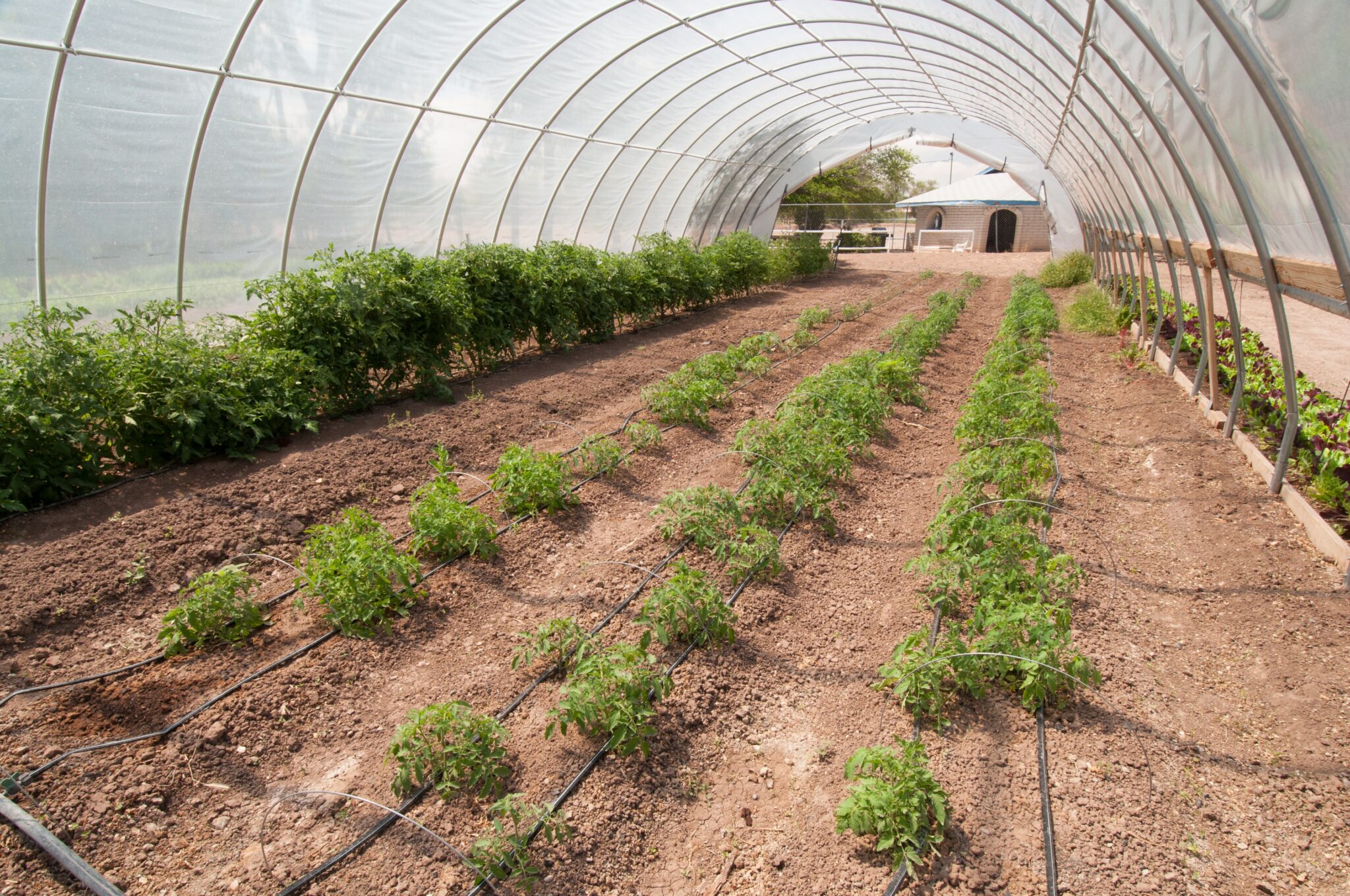
Photo courtesy of USDA