A recent United Nations report declares the world is facing a state of water bankruptcy that will force food and agriculture systems to adapt.
Across the globe, surface waters and glaciers are shrinking, wetlands have been liquidated, and groundwater has been depleted, the report states. As water insecurity grows, agricultural heartlands are running off a diminished supply, and water quality is decreasing. According to the U.N., current expectations around water governance are no longer relevant.
The term water crisis has been used to refer to systemic issues in water systems, explains Kaveh Madani, Director of the U.N. University Institute for Water, Environment and Health (UNU-INWEH) and author of the report. But he says it’s no longer appropriate for the current reality. “The term “water crisis” implies a temporary shock and deviation from the baseline,” he tells Food Tank. “But we are dealing with a new normal—a post-crisis state of failure.”
The report reveals that humanity’s use of freshwater has surpassed the Earth’s limits. Withdrawals from many aquifers and basins are greater than what the planet can afford. This requires terminology that reflects this new reality, Madani argues.
“Water bankruptcy reminds us that some of the damages are irreversible and that we require investing in adaptation to a new normal,” he says.
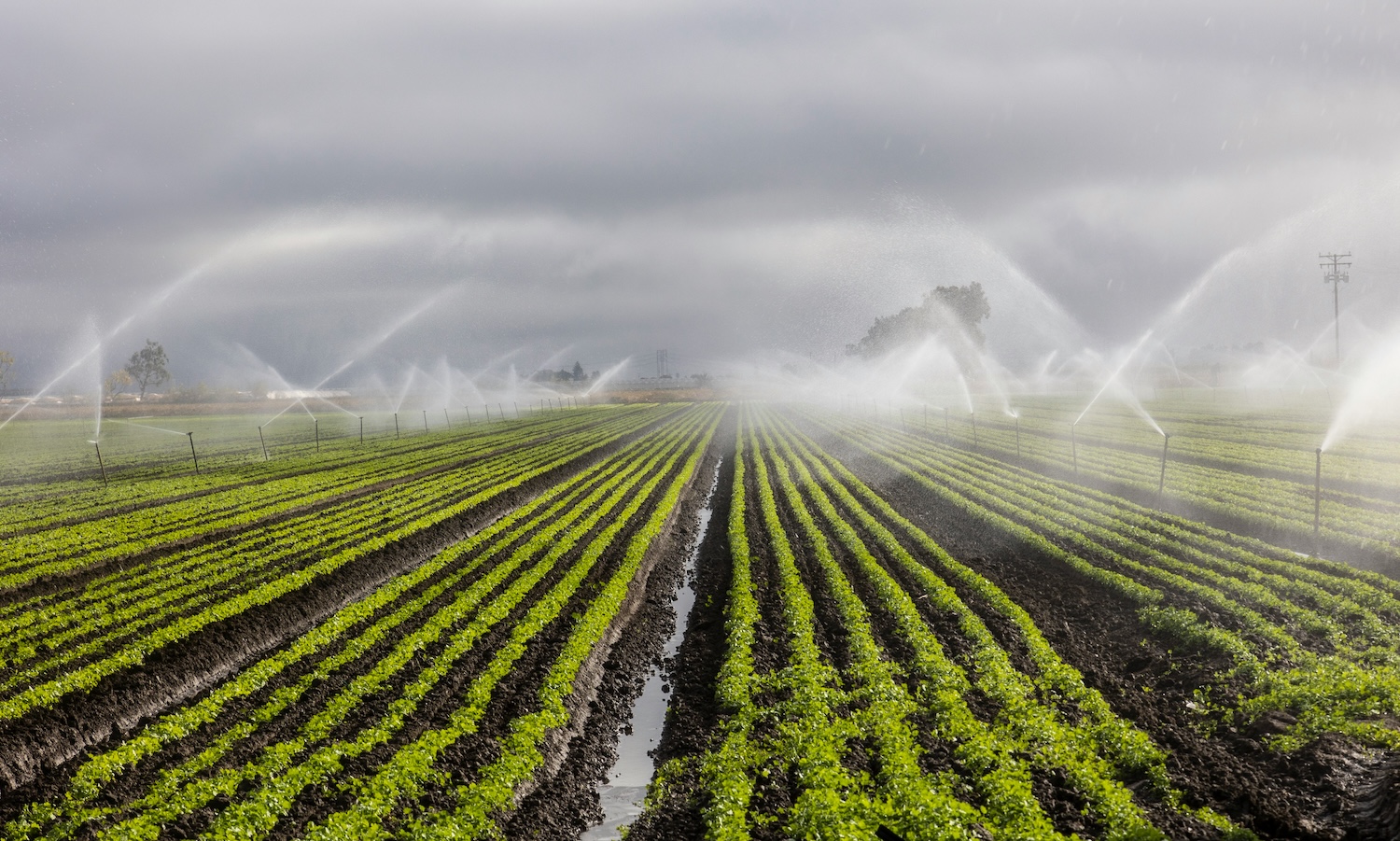
The agriculture sector—responsible for nearly 70 percent of freshwater withdrawals globally, according to the report—is particularly vulnerable to water shortages. In countries where agriculture constitutes a large fraction of the workforce, the impacts of water bankruptcy are intensified. Yields decline, livestock systems become dysregulated, the income of farmers and farm workers suffers. In turn, food prices rise.
But Madani says there is still a sustainable path forward for humanity’s relationship with water, and it begins with telling the truth and using the right language. “Declaring water bankruptcy, just like financial bankruptcy, is a difficult admission for anyone to make,” Madani tells Food Tank. “The language of water bankruptcy, when used by decision-makers, is meant to liberate them of their past lack of transparency and overreliance on short-term, unsustainable measures.”
Farmers are trying to manage water shortages by reducing the size of irrigated land and ramping up the use of water-efficient technology and crops, Madani explains. But they need support from policymakers to help fund their efforts. “Governments must offer alternative economic modes of life to farmers…which entails diversifying national economies and offering compensation for stranded investments.”
A just transition framework is central to planning, Madani argues. Those with the least amount of economic and political power are most likely to bear the brunt of water bankruptcy’s harms, the report explains. That’s why it argues that the restructuring of water governance must ensure legal safeguards, compensation, livelihood diversification, and social protection for societally disenfranchised populations.
The report also calls on nations to prevent further irreparable harm. This means ensuring that remaining wetlands, aquifers, soils, glaciers, ecosystems, and species are protected through government policy.
But water bankruptcy offers an unexpected opportunity, the report states. If recognized as the crisis it is, it can be a “catalyst for renewed cooperation.
“Water is not a resource like any other. It is the crux of human security, global food systems, biodiversity, public health, and peace,” Madani tells Food Tank.
Articles like the one you just read are made possible through the generosity of Food Tank members. Can we please count on you to be part of our growing movement? Become a member today by clicking here.
Photo courtesy of Elibet Valencia Munoz