Each week, Food Tank is rounding up a few news stories that inspire excitement, infuriation, or curiosity.
USDA Proposes Closure of Bee Research Facilities
Bees and other pollinators are essential to our food system. They are uncredited workers who support the production of many of the fruits, vegetables, and nuts we consume everyday. But pollinator populations are facing increasing stress due to climate change-related threats and diseases.
Globally, wild bee and native pollinator populations are declining rapidly, and managed honeybees are experiencing similar threat. Last year, commercial beekeepers in the U.S. reported losing about 60% of their honey bee colonies, the highest loss rate since tracking.
At a time when we need to increase support for bees and beekeepers, the U.S. Department of Agriculture has, instead, proposed the federal closure of essential bee research facilities.
One facility is the Beltsville Bee Research Lab in Maryland which has provided support for beekeepers, run disease diagnostics, and conducted essential research for over a century.
The closure of bee research labs reflects a growing trend Food Tank has been reporting on: at the very moment when more support is needed, federal funding is instead being stripped.
Food Insecurity in the U.S. Rises Beyond COVID Rates
Similarly, last year, the US Department of Agriculture stopped collecting data on American food insecurity, arguing that the studies were “redundant” and served to “fear monger.”
But Americans are experiencing food insecurity. The data still exists and it’s shocking.
A new survey released last week from the Federal Reserve Bank of New York found that food insecurity in the U.S. has reached its highest rate in six years.
Hunger is now more widespread than it was during the summer of 2020, when the COVID-19 pandemic triggered severe economic disruption and unemployment.
As grocery prices continue to climb and Americans face higher fuel costs, many families are being forced to make impossible choices between necessities.
The report shows about 10% of families reported missing meals. For lower income families, this number doubles. Nearly 20% of families reported having to skip meals or go without food due to financial constraints.
The report also comes on the heels of the FAO’s declaration that a broader global food security crisis may be on the horizon. Geopolitical conflicts and disruptions to the supply of energy, fertilizer, and other agricultural inputs could lead to lower crop yields, and increased global hunger, in the years ahead.
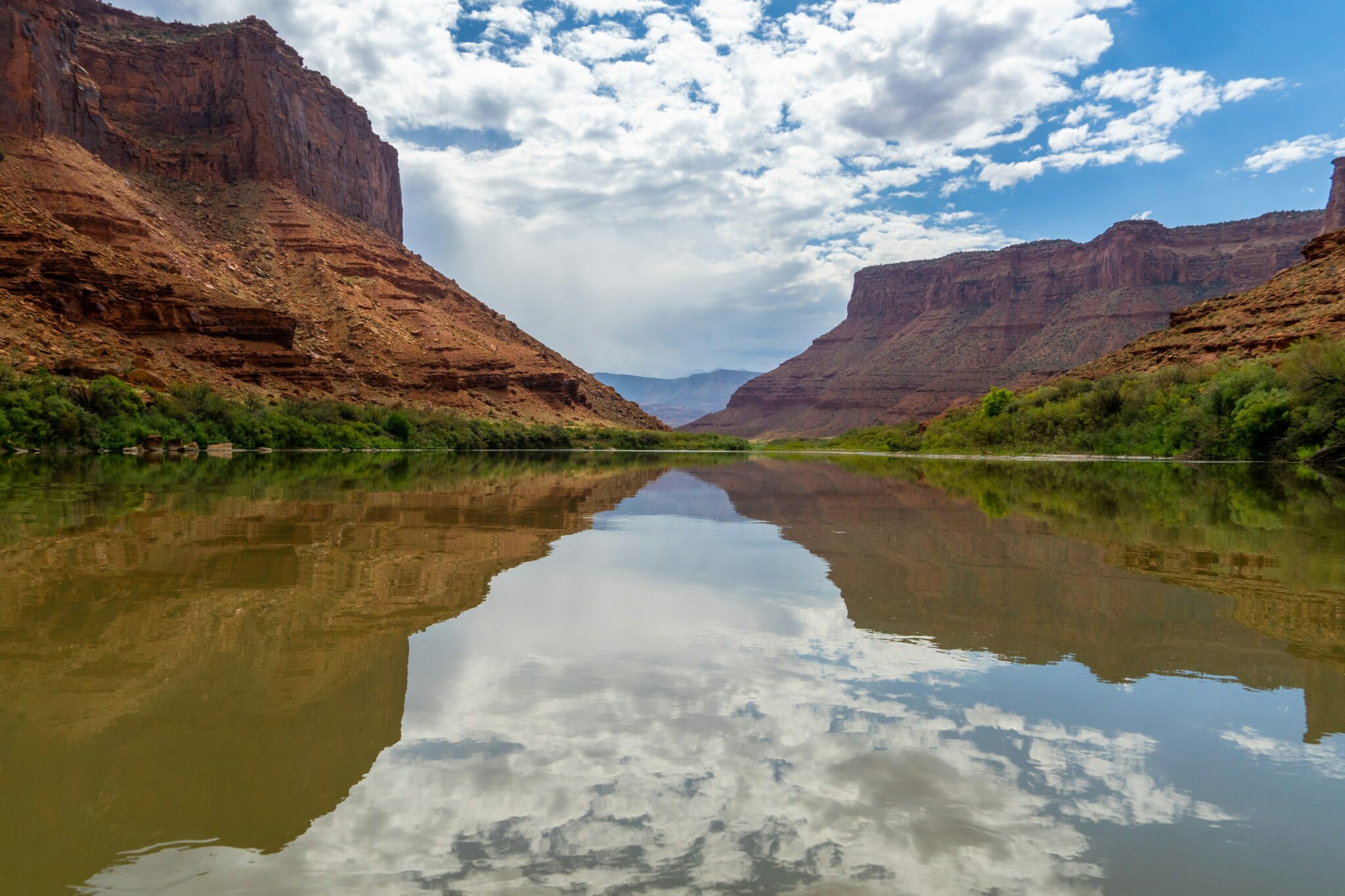
The Colorado River is at a Historic Low
Just as food insecurity is rising globally, water access is becoming an increasingly urgent issue across the American West.
The rules that govern the Colorado River, the primary water source for much of the region, will expire at the end of 2026. But despite years of negotiations, the seven basin states (California, Arizona, Nevada, Colorado, Utah, Wyoming, and New Mexico) still have not reached an agreement on how the river should be managed.
The challenge is driven largely by climate change. More than two decades of drought, rising temperatures, and declining snowpack have reduced river flows and pushed the system’s two largest reservoirs to historically low levels.
The stakes are enormous. The Colorado River supplies water to about 40 million people and irrigates millions of acres of farmland. Any decision about how water shortages are allocated will directly affect farmers and food production.
The negotiations taking place this year will likely shape water policy across the American West for decades to come.
Climate Resiliency and Learning from Dryland Farmers
Now, more than ever, we need to focus on climate resiliency for farmers.
One of the most important places to look for solutions is in the farming communities that have been adapting to water scarcity for generations.
Across dryland regions like East Africa and central Australia, farmers have spent generations producing food in water-scarce and variable environments.
These farmers understand what it means to farm through drought, uncertain rainfall, and extreme heat and, as these conditions increase, this knowledge is becoming more important than ever.
Éliane Ubalijoro with CIFOR-ICRAF said recently that drylands are “rich with opportunity, ecological intelligence, and the potential to drive resilience, economic vitality, and sustainable prosperity for millions.”
Food Tank recently published a list of 10 amazing dryland crops you may not be familiar with. These crops are grown by farmers who are leaders in climate resiliency.
FIMCON Gathers Food is Medicine Professionals
Food Tank attended FIMCON, the largest gathering of food is medicine professionals, last week in Washington, D.C. The event brought together healthcare providers, researchers, policymakers, and advocates who are working to demonstrate how access to healthy, nutritious food can prevent and manage chronic diseases.
As conversations around healthcare continue to evolve, events like FIMCON showcase innovative strategies that recognize food not only as a basic necessity but also as a powerful tool for treatment and prevention.
The goal for food is medicine dialogue in the future is to ensure farmers are always at the center of these discussions.
Articles like the one you just read are made possible through the generosity of Food Tank members. Can we please count on you to be part of our growing movement? Become a member today by clicking here.
Photo courtesy of Mike Newbry, Unsplash