The Food Security Leadership Council (FSLC) is calling on the United States to launch a once-in-a-generation effort to boost agricultural innovation. In a recent report, they outline a proposal for US$100 billion in new public research and development (R&D) investments over the next ten years to strengthen domestic food systems, improve farm profitability, and restore global leadership.
The call comes at a critical time for American agriculture. Farmers across the country face soil degradation, water limitations, and extreme weather driven by climate change, while the U.S. leans on concentrated foreign supply chains for critical inputs like fertilizer.
Meanwhile, domestic agricultural productivity growth has slowed. According to the report, the U.S. share of global public agricultural R&D spending fell from 20.2 percent in 1960 to 11.5 percent by 2011. It also notes that China now spends roughly double what the United States does on public agricultural research.
“I am not sure many U.S. policymakers appreciate the full nature of the importance, and cascading benefits, of agricultural innovation,” Anna Nelson, Executive Director of the Food Security Leadership Council, tells Food Tank. “Food and agricultural innovation is not only a farm issue. It matters for our entire economy through its effects on employment, producer profitability, and consumer prices… It affects our environment by shaping land use, emissions, and pollution.”
Public investments in agricultural research generate an estimated US$18 in societal benefits for every dollar spent, according to the report.
Recent data from the Economic Research Service at the U.S. Department of Agriculture (USDA) underscores the importance of technical progress. Between 1948 and 2021, U.S. farm output nearly tripled even as total input use slightly declined, demonstrating an efficient use of resources.
The report demonstrates that new innovations can support the transition toward long-term sustainability, but Nelson is careful to note that new tools require careful design with input from communities. “Agricultural production is local—so is consumption,” she tells Food Tank. “Any innovation needs to be informed by the people who will ultimately implement or benefit from it.” Small and midsize farms cannot be left out of the picture when it comes to distributing R&D investments.
Nelson also cautions against treating high-tech breakthroughs and nature-based practices as opposing forces. “I wish people did not see them as inherently at odds with each other,” she says. “Both tech-based and nature-based solutions can offer important means of accelerating sustainable productivity growth. Producers should use all the tools available to them.”
Recent investments suggest that government agencies are interested in supporting alternative approaches to industrialized agriculture. Earlier this year, the USDA, alongside the Department of Health and Human Services and the Environmental Protection Agency, announced more than US$1 billion for farm modernization and food supply security. This includes US$700 million for regenerative agriculture pilot programs.
The FSLC argues that sustained public grants remain essential to move new agricultural technologies from the lab to the field.
“The United States has the resources to make this investment if we can summon the political will to do so,” Nelson tells Food Tank. “US$100 billion over ten years is a drop in the bucket of the federal budget and would provide structural support to help transform U.S. agriculture over time.”
Articles like the one you just read are made possible through the generosity of Food Tank members. Can we please count on you to be part of our growing movement? Become a member today by clicking here.
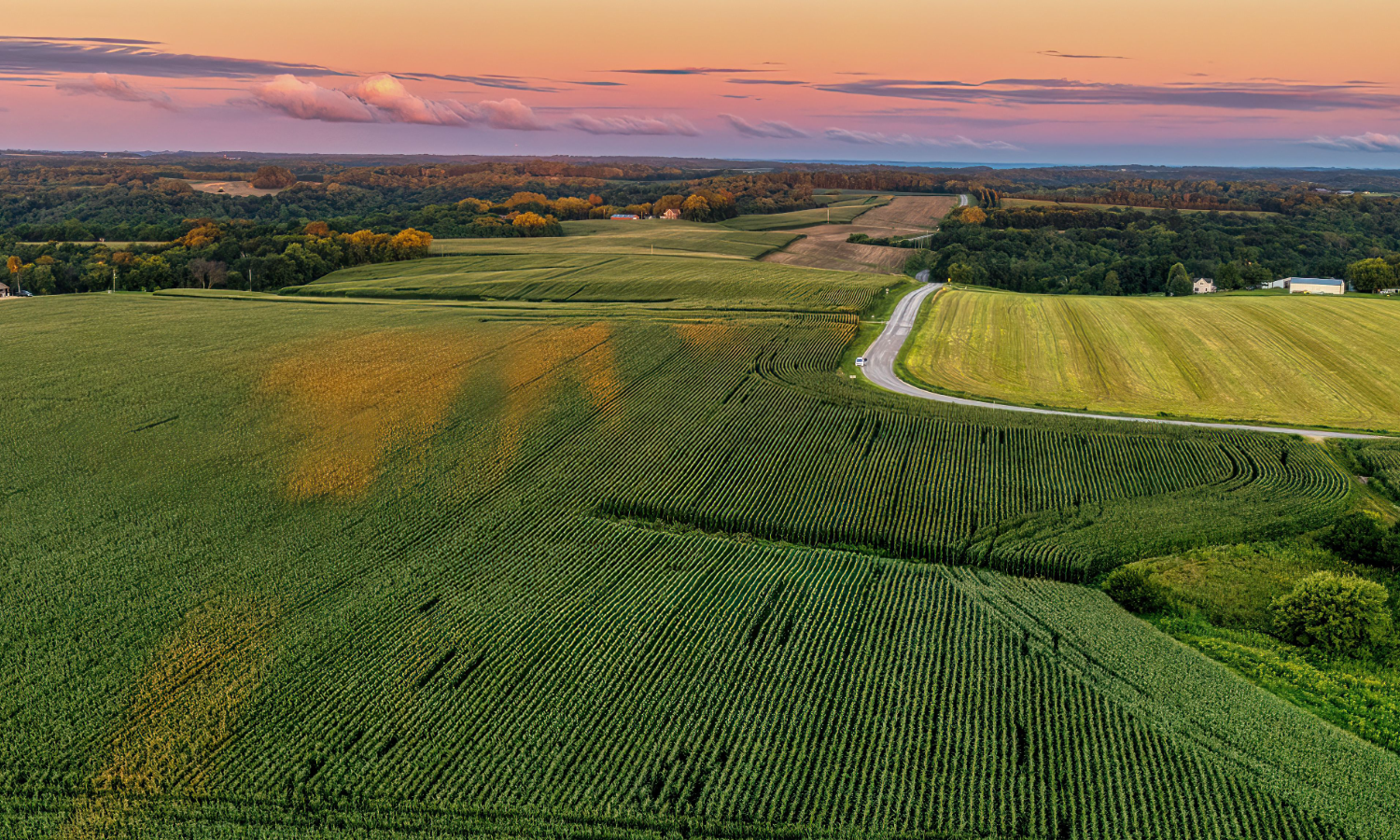
Photo courtesy of Tom Fisk, Pexels