Each week, Food Tank is rounding up a few news stories that inspire excitement, infuriation, or curiosity.
COP31 Initiatives and Ongoing Frustrations
This week at COP31 in Antalya, Türkiye, I listened to conversations about food, farming, and our climate future.
And honestly, I’m frustrated. The conference is scheduled to end today, so we don’t yet have final outcomes. But we can look at what’s been announced—and what’s still missing.
One bright spot is Sally Higgins, an Australian farmer serving as COP31’s Presidency Youth Climate Champion. She launched Back Future Farmers, an initiative to help young farmers access financing and build viable businesses.
Higgins raised a challenge that will sound familiar to many young farmers: How do you qualify for financing when you don’t already own land?
The initiative will bring together approaches, including more affordable financing, and repayment schedules that reflect the realities of farming. It’s early, but I’m encouraged to see a young woman farmer helping shape this conversation.
Türkiye and the Food and Agriculture Organization also launched the Turquoise Nexus Initiative to connect food security, water management, and climate policy. And CGIAR signed a partnership with the UN Convention to Combat Desertification on land restoration and drought resilience.
These connections matter. Farmers don’t experience drought, degraded soil, and food insecurity as separate problems.
But here’s the harder part. According to CGIAR, as of November 15th, countries still hadn’t agreed on what comes next for the UN’s agriculture and food security work program. Adaptation finance remains unresolved. An African proposal for a dedicated agenda item on tripling adaptation finance was turned down at the opening of the conference.
We can launch initiatives all throughout COP. The test is whether farmers can actually get the resources they need.
Ebola Outbreak Threatens Public Health, Agriculture, and Trade
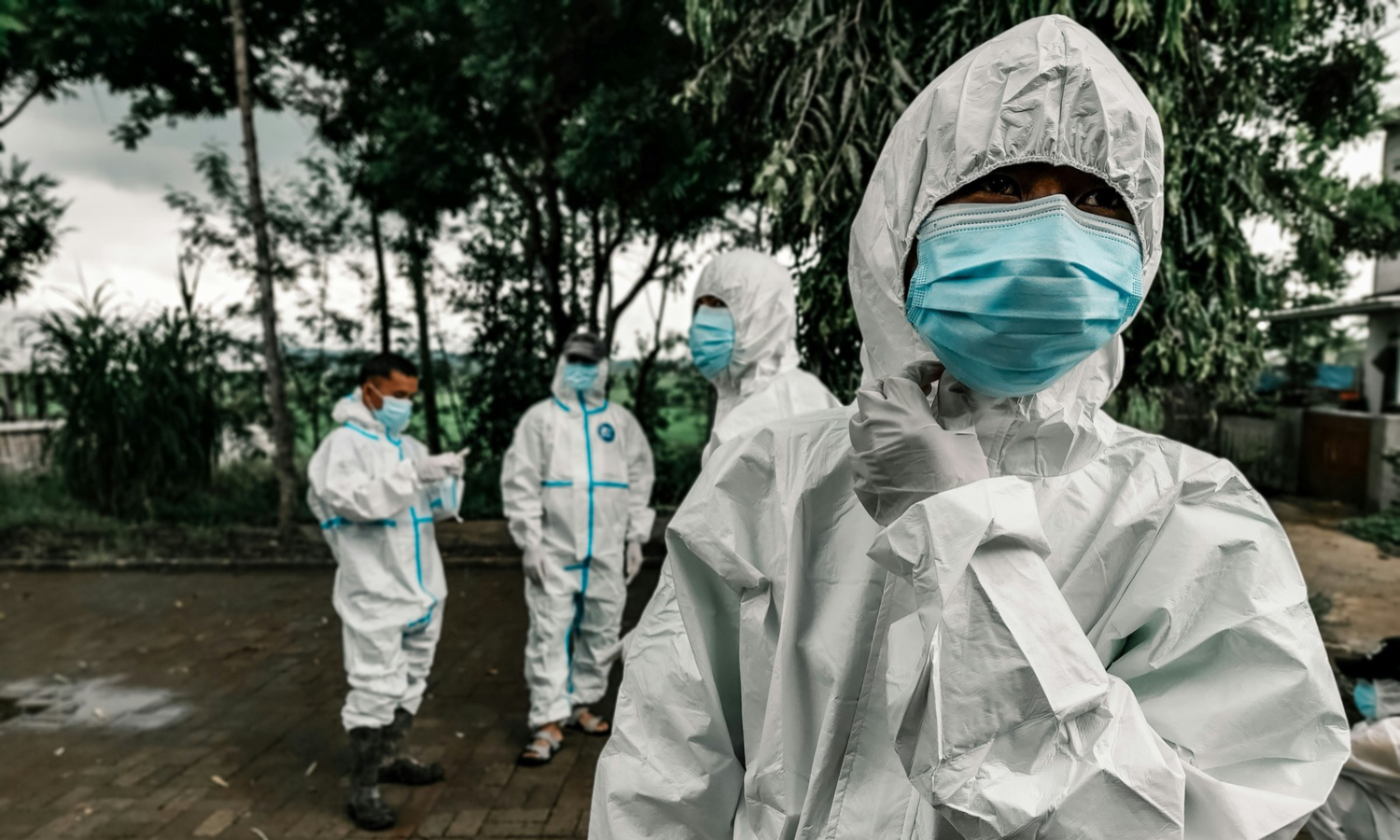
The Ebola outbreak in the Democratic Republic of the Congo (DRC) deserves much more attention.
On November 17th, the World Health Organization (WHO) reported more than 11,000 cases and 5,400 deaths. Between 400 and 500 new cases are still being reported each week. Children account for about a third of deaths.
There has been progress, including expanded laboratory and treatment capacity, about 3,000 recoveries, and ongoing treatment and vaccine trials. But the vaccine being studied is approved for the Ebola virus, a different virus from the Bundibugyo virus causing this outbreak. Its effectiveness against this outbreak is still being evaluated.
Violence against health workers and communities is also disrupting the response. WHO says two-thirds of confirmed deaths are occurring outside Ebola treatment centers, indicating that people are being identified too late.
The Centers for Disease Control and Prevention (CDC) reports no cases linked to this outbreak in the United States and says the overall risk to the American public remains low. But our concern shouldn’t depend on how close an outbreak is to us.
Ebola also has consequences for agriculture and trade.
A July FEWS NET report found that cargo was still crossing borders into the DRC. But restrictions on people’s movement were hurting small traders’ incomes. Delays and more expensive alternative routes were increasing the cost of moving food. Markets were still functioning, but trading had become harder for some communities. That assessment is from earlier in the outbreak, rather than a November snapshot.
We’ve seen how damaging these disruptions can become.
During the 2014 to 2016 West African outbreak, food shortages, trade restrictions, and rising prices pushed some farmers to eat the seeds they had saved for planting.
CORAF—the West and Central African Council for Agricultural Research and Development—helped organize a regional response, getting rice, maize, and cowpea seeds to affected farmers. Even that assistance faced obstacles. CORAF reported that one shipment of cowpea seeds was stuck at a border for a month and a half.
I haven’t found a public CORAF response to the current outbreak. But its earlier work offers an important lesson: protecting the next planting season needs to be part of responding to a health emergency.
WHO advises against restrictions on trade with affected countries. Keeping food and agricultural supplies moving safely matters for both livelihoods and food security.
The World Bank Projects Food Price Index To Rise
There’s also troubling news on food affordability. In a November 12th analysis, the World Bank warned that conflict, pressure on grain supplies, and El Niño could push food prices higher. Its food price index is projected to increase 10 percent this year and another 7 percent next year. Those are forecasts, but they’re a serious warning for families already struggling to afford food.
World Food Programme Reports Acute Food Insecurity
A food crisis update posted by the World Food Programme on November 17th reports that through August of this year, acute food insecurity remained very high across 39 countries and territories with available data. Improvements in Gaza and parts of Sudan were limited and fragile. Conflict, extreme weather, and reduced humanitarian funding threaten further setbacks.
I keep coming back to the need to act earlier. Support farmers before a harvest fails. Support health workers before an outbreak spreads. Make sure families can afford nutritious food before they’re in crisis.
That takes sustained investment—and listening to the people doing this work every day.
Articles like the one you just read are made possible through the generosity of Food Tank members. Can we please count on you to be part of our growing movement? Become a member today by clicking here.
Photo courtesy of Gani Nurhakim, Unsplash