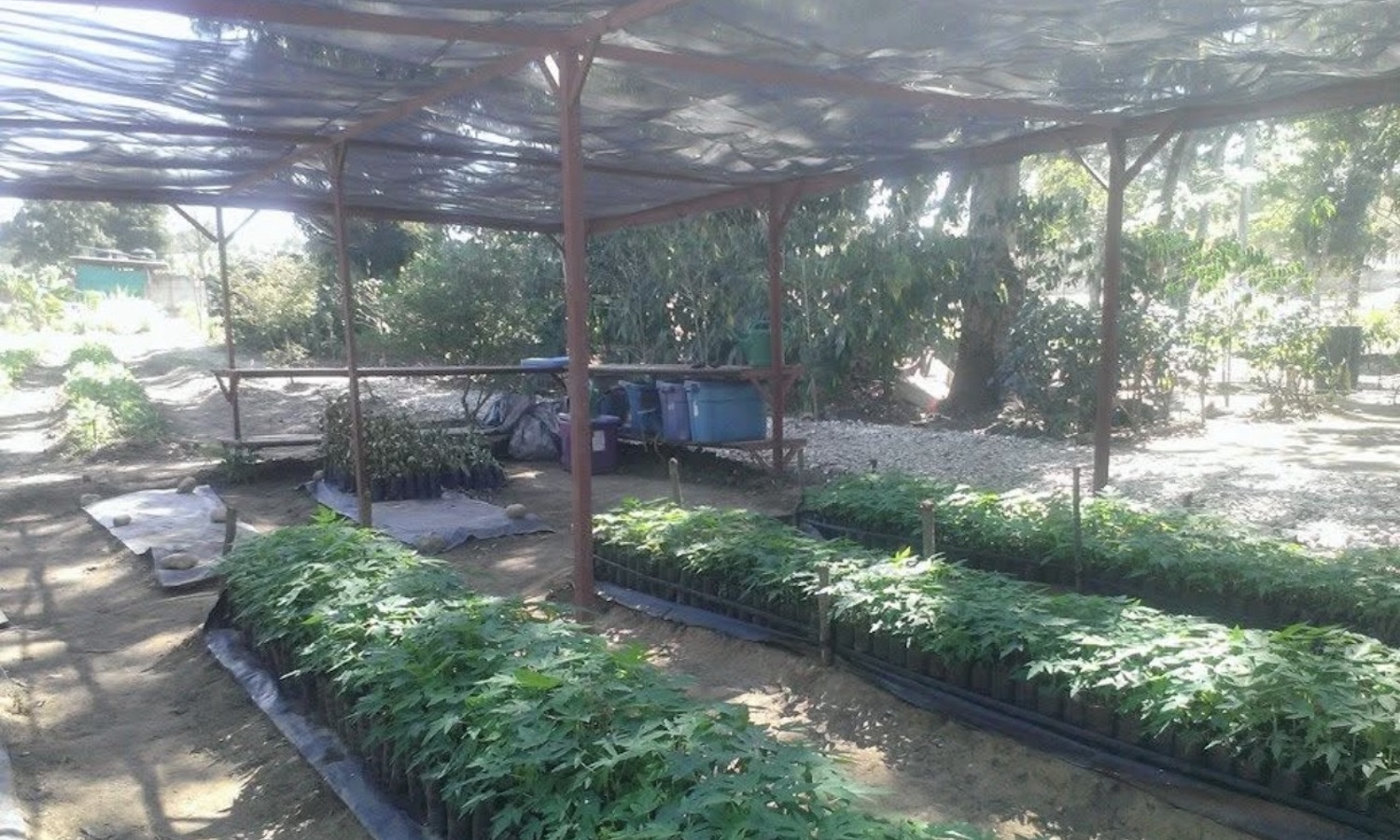
In Haiti, the Evens Brutus Foundation, a nonprofit organization, is working to break cycles of poverty. Through their school gardens programs, they are connecting young people to the land while supporting their empowerment.
“I studied agronomy in Haiti, where I learned how agriculture can directly improve nutrition, education, and community resilience,” Evens Brutus, the Foundation’s founder and executive director tells Food Tank.
The organization initially focused on education support for students in Haiti. But Brutus widened the scope of their work to include school-based agricultural projects, clean water, and nutrition programs to meet students’ needs more holistically.
“Community members strongly support the initiative because agriculture is deeply rooted in Haitian culture,” Brutus says.
Haiti is one of the most food insecure countries in the Western hemisphere. An estimated 5.7 million people in Haiti face high levels of acute food insecurity, and an additional 3.8 million people face crisis levels. The United Nations also finds that child malnutrition is worsening due to escalating violence.
The programs developed by the Foundation are designed for long-term sustainability, not just short-term hunger relief, by creating a link between education and food security. “Many children attend school hungry, which affects their ability to learn,” Brutus tells Food Tank. “School gardens allow students to gain practical agricultural knowledge while helping provide food for school meals.”
Brutus also tries to integrate knowledge from Haitian elders, who understand the impact of getting young children into the garden. “I collaborate with local farmers and elders who value passing agricultural knowledge to younger generations,” he explains.
The Foundation’s field director, Joseph Kerbens Thony, reports that the children respond to gardening with confidence, excitement, and pride. “Many come from agricultural families, so garden education connects naturally with their daily lives,” he tells Food Tank.
Thony teaches farming techniques pertinent to local climate and culture. Through the livestock program, students learn traditional and circular Haitian farming practices that have been proven for generations to improve efficiency and diversify crops. “Given Haiti’s vulnerability to droughts and storms, we also emphasize resilience strategies such as raised beds and selecting crops suited to local climate conditions.” Children are getting the chance to learn the foundations of food sovereignty, plus working in the garden teaches responsibility, teamwork, and patience.
Brutus hopes that the investments he makes through his foundation help Haitian communities produce their own food and, ultimately, help to reduce the country’s long-term dependency on aid.
Articles like the one you just read are made possible through the generosity of Food Tank members. Can we please count on you to be part of our growing movement? Become a member today by clicking here.
Photo courtesy of Evens Brutus Foundation Incorporated