
In Sea Change: Unlikely Allies and a Success Story of Oceanic Proportions authors Amanda Leland and James Workman celebrate what’s possible when fishers and environmentalists work together to save the world’s oceans.
The book focuses on the power of catch shares, a management strategy to curb overfishing that allocates a portion of a fishery’s catch to an individual or group.
Rather than pressuring fishers to race into the waters each season, Leland says this system creates more flexibility for them to fish any time of the year. Fishers also see rewards for allowing stocks to replenish. As populations increase, what fishers can catch—and their potential income—grows with it.
Leland, who serves as the Executive Director of the Environmental Defense Fund, calls this a “built in incentive program.” And she tells Food Tank that this solution represents “a fundamental change” for fisheries management.
But Keith “Buddy” Guindon, the book’s protagonist, didn’t begin as an advocate of catch shares. Fisheries were collapsing around him in Texas as support for this new system grew, but he staunchly opposed it, believing restrictions would further threaten coastal communities.
As Sea Change explains, conservationists were not the greatest allies of fishers historically. It was “epically true” that the environmental community blamed them for the overfishing crisis, Leland tells Food Tank. “The argument was ‘this is all collapsing because of you’…when in reality they were stuck in a broken system.”
As researchers worked with the fishers to implement a catch shares program for red snapper, however, Guindon couldn’t deny the benefits that he was seeing. Fish populations were not just stable, but growing; and fishers around him were filling their boats while saving on time, labor, and operating costs. In the past, he had warned his children to avoid the industry. But the success gave him certainty that a different, more hopeful future was possible.
“That creates a whole new way for them to think about the business and what kind of investments they want to make…and that’s better for the community because there’s a much more stable job force in Galveston.”
Guindon “becomes the biggest champion” of catch shares, Leland says. And he begins pushing for the same approach to be applied to other species and regions, seeing the success spread.
Leland acknowledges that there are still more challenges in global blue foods systems to tackle, but it’s important to recognize wins like those in Guindon’s community. “Celebrate the progress, recognize where there’s still work to do,” she tells Food Tank, “and focus on solutions that are going to address those continued issues.”
Listen to or watch the full conversation with Amanda Leland on “Food Talk with Dani Nierenberg” to hear more about the unlikely partnerships that led to the establishment of catch shares, how this solution has been scaled globally, and some of the emerging challenges that fishing communities are facing in the face of government funding cuts today.
Articles like the one you just read are made possible through the generosity of Food Tank members. Can we please count on you to be part of our growing movement? Become a member today by clicking here.
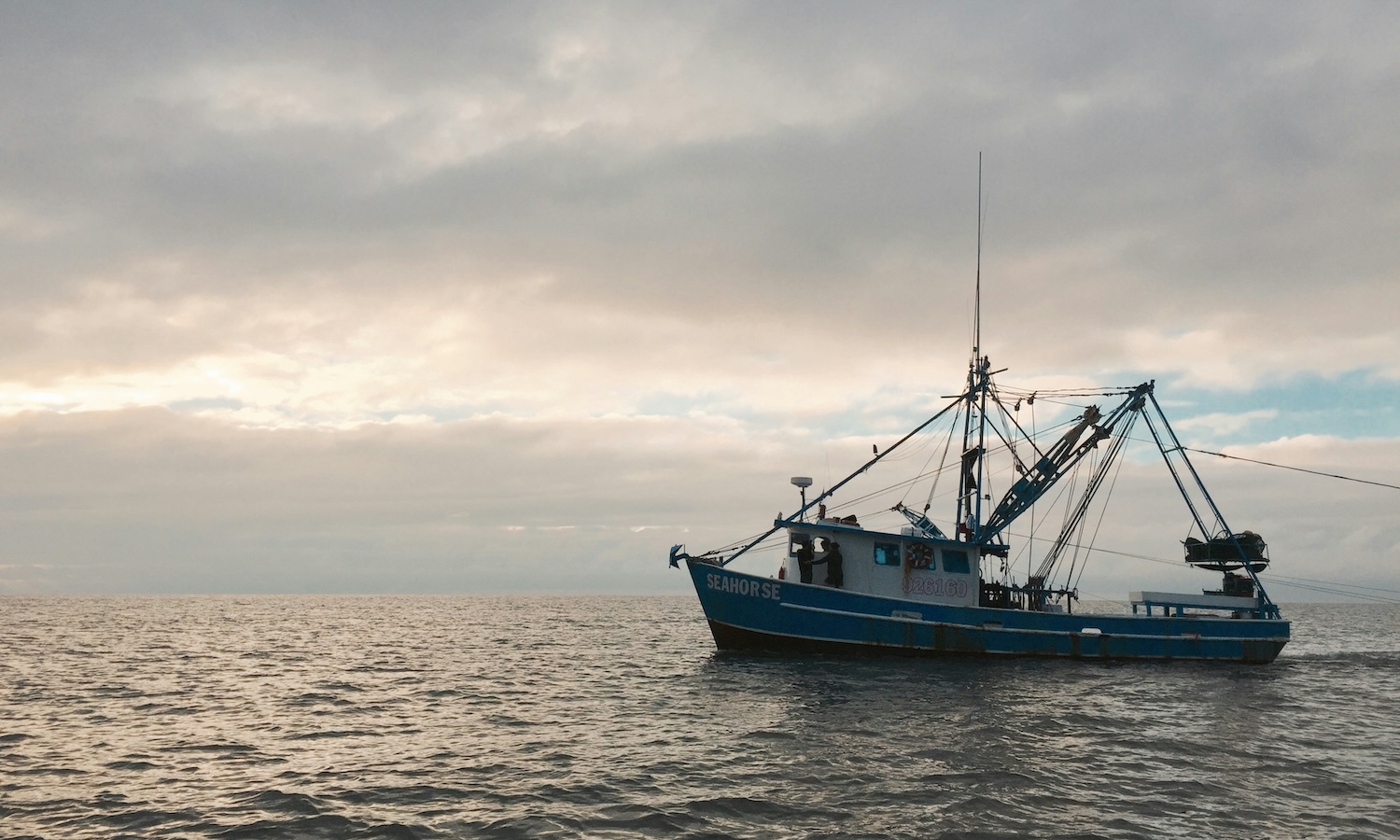
Photo courtesy of Chad Stembridge, Unsplash