
In Buffalo, New York, Buffalo Go Green has spent years advancing food equity by linking food access, education, and health outcomes in communities shaped by long-standing disinvestment—and is now building a platform to ensure those services reach people in ways that reflect their real lives.
Founded by Allison DeHonney, the organization operates primarily on Buffalo’s East Side, where limited access to affordable, nutritious food contributes to high rates of diet-related disease including diabetes, hypertension, and obesity. 28.3 percent of Buffalo’s population lives below the poverty line, and 24 percent is food-insecure.
DeHonney launched Buffalo Go Green without formal training in agriculture or healthcare, instead drawing on experience in business and insurance to address structural drivers of poor health.
“The impetus of the organization, after doing research on health disparities, was addressing the lack of access to fresh fruits and vegetables and the lack of knowledge surrounding healthy food choices,” DeHonney tells Food Tank.
DeHonney began by starting a farm, focusing on healthy soil, non-GMO seeds, and growing practices designed to produce nutrient-dense food. To fight health disparities and their effects, Buffalo Go Green developed produce prescription programs, where patients are provided with prescriptions for fruits and vegetables to bolster their health, and prepared meal programs for the underserved.
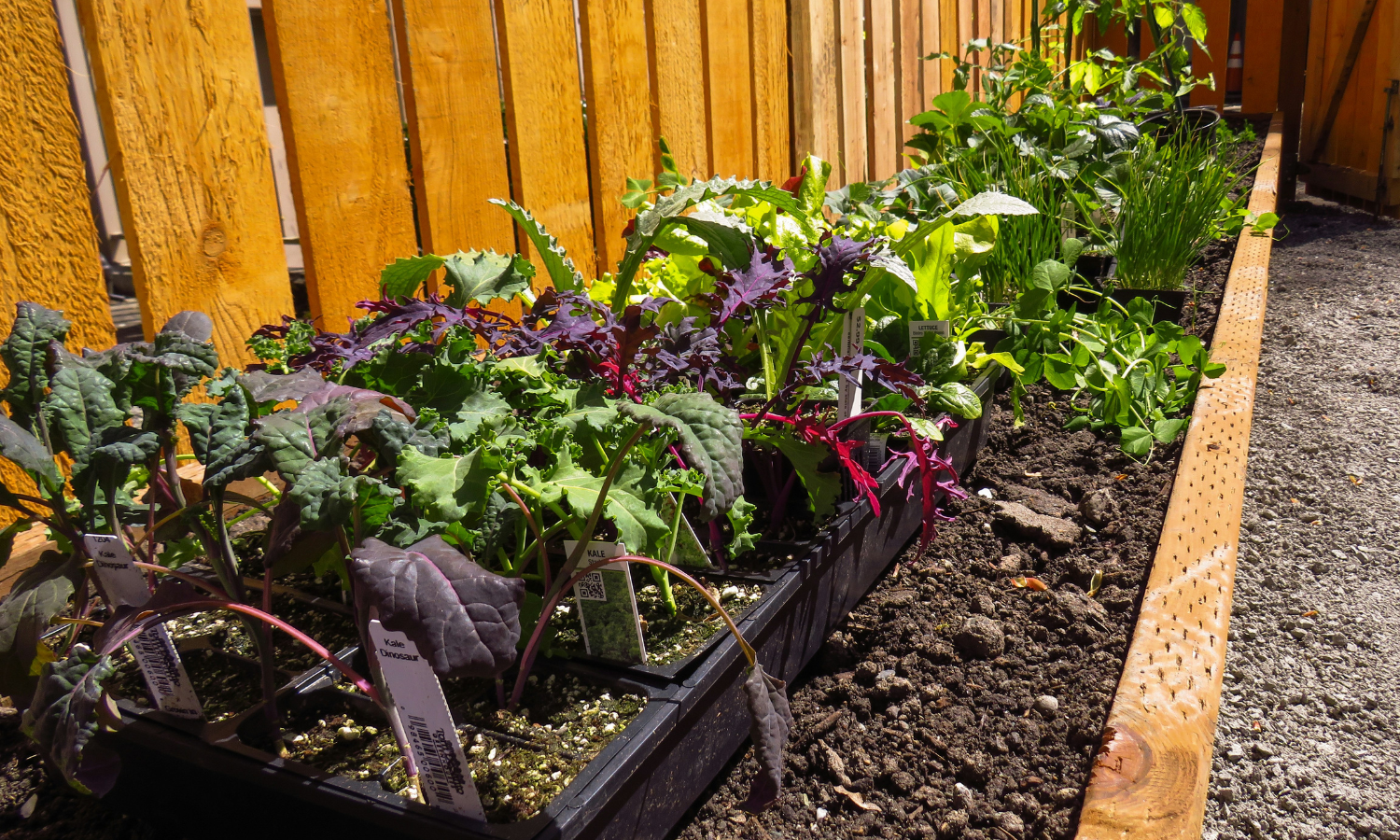
The organization operates year-round growing facilities that yield hundreds of pounds of organic fruits and vegetables. It also runs mobile produce markets to ensure Buffalo residents can access nutritious food where and when they need it.
As DeHonney spent time engaging with community members at markets and on the farm, education became a focal point. She found that access alone was insufficient, particularly in dense urban neighborhoods with limited growing space. “So much harm has been done in these communities,” DeHonney explains, noting that education helps build lasting skills and confidence around food choices.
Buffalo Go Green’s education programs now span home growing, greenhouse management, nutrition, cooking, and food systems literacy. Participants receive hands-on training, books for guidance, and exposure to the institutions working to improve food access in the area.
As New York expands Food is Medicine through a Medicaid 1115 Waiver, Buffalo Go Green has identified a critical gap between screening patients for food insecurity and delivering effective services. When individuals are deemed eligible under the waiver program, they are directed to a community-based organization, regional non-profits, or health care providers for support.
“Once people are screened as food insecure and navigated to us, life doesn’t stop,” DeHonney says, pointing to changes in housing, caregiving responsibilities, allergies, and weekly needs. Existing systems, she notes, are not designed to track those shifting realities over the months someone receives services. Without that information, providers risk missing opportunities to support the nuances of participants’ lives and sustained behavior change around shopping, cooking, and nutrition.
To address this gap, Buffalo Go Green is launching a new platform designed to strengthen service delivery under the 1115 waiver. Originally developed as a point-of-sale and inventory system for farmers markets, the updated platform will include a new layer focused on individual service delivery. The tool allows staff to capture what a participant needs week to week, while also generating aggregate data to inform program design and policy discussions.
“It’s based on the individual, but we can aggregate all of that,” DeHonney says, citing insights such as housing instability that are often invisible in traditional reporting systems. The platform is expected to launch imminently.
Along with on-the-ground service delivery, Buffalo Go Green participates in food policy coalitions and national networks, lending on-the-ground insight into how policy decisions affect implementation. DeHonney views this role as essential to ensuring Food Is Medicine policies translate into real-world impact.
The organization’s commitment to co-production with universities and partners has shaped both its programming and research collaborations. “These relationships don’t have to be complicated,” DeHonney says, emphasizing trust, responsiveness, and shared problem-solving.
Looking ahead, Buffalo Go Green is expanding through a holistic wellness and agricultural education campus that will include a teaching kitchen, a small market, a juice bar, and indoor hydroponic growing. The goal, DeHonney says, is to grow without losing the community-centered approach that has defined the organization’s work from the beginning.
Articles like the one you just read are made possible through the generosity of Food Tank members. Can we please count on you to be part of our growing movement? Become a member today by clicking here.
Photo courtesy of David Lang, Unsplash