Each week, Food Tank is rounding up a few news stories that inspire excitement, infuriation, or curiosity.
USDA Reinstates $127 Million in Land Access Grants
Following a federal court order, the U.S. Department of Agriculture reinstated 24 grants totaling US$127 million under the agency’s Increasing Land, Capital, and Market Access Program.
The program was designed to support underserved producers across the U.S. Amanda Koehler, who manages an informal network of the grantees, calls it “the largest public investment in land access in our nation’s history.”
The Trump-Vance Administration undermined the program for months before officially terminating funds for 49 of the 50 projects this past spring. But organizations fought back. Over two dozen joined a lawsuit last year to argue that the awards were canceled illegally.
This past week, Judge Beryl Howell granted a preliminary injunction and wrote that the plaintiffs, represented by Earthjustice, Farmers Justice Center, and FarmSTAND, demonstrated that they will suffer “irreparable harm in the absence of relief.”
Litigation will continue, but in the meantime, the 24 organizations can expect to hear from Farm Service Agency staff about their restored awards, which will support land access, farmer training, and infrastructure and market development projects.
Indian State Passes Bill to Empower Women Farmers
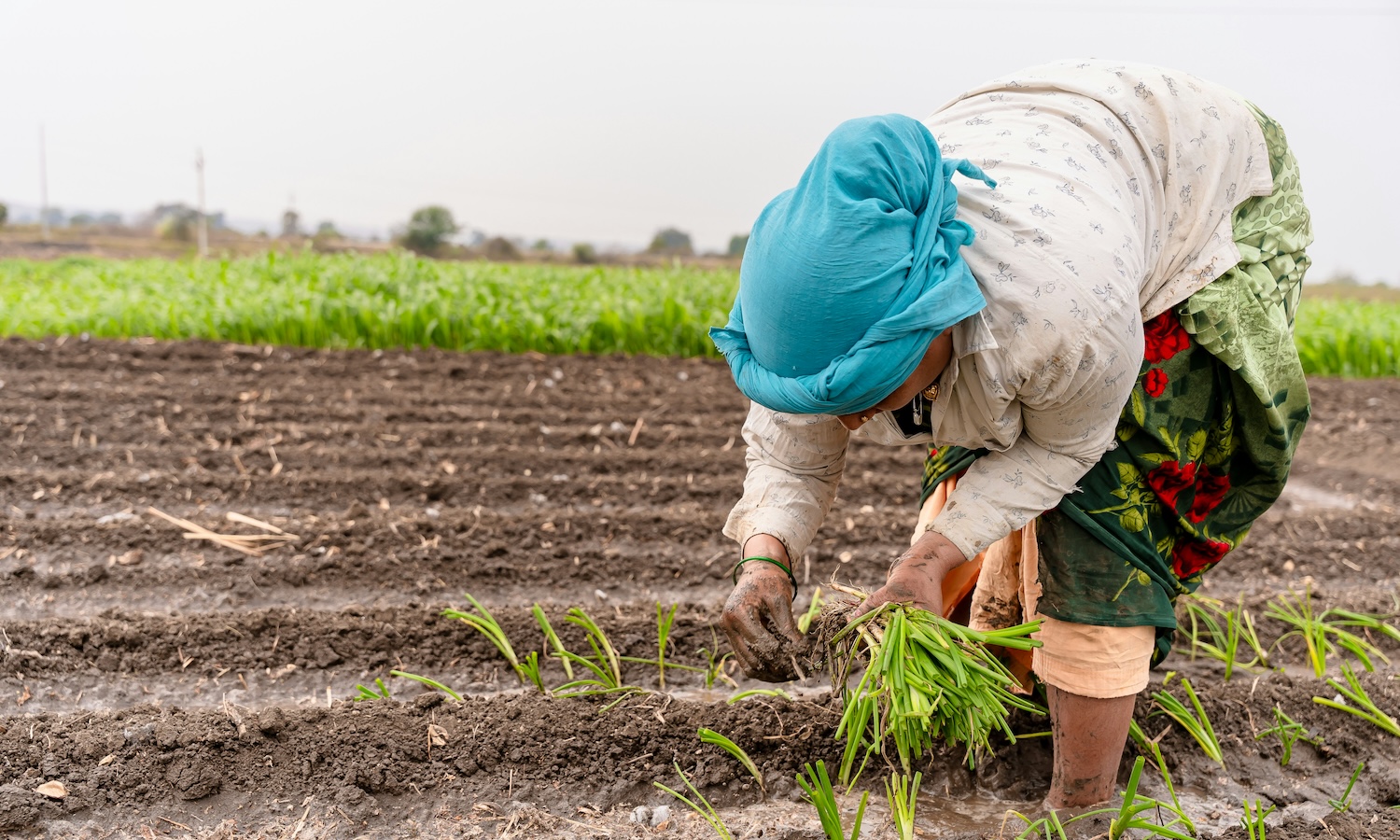
In India, the Maharashtra state Assembly voted unanimously last week to pass the Women Farmers’ Empowerment Bill.
The first of its kind in the country, the legislation aims to broaden the formal recognition of all women farmers, not just those who own land. This will make it easier for women in agriculture to access bank loans, crop insurance, government subsidies, training programs, farming technology, and more.
As a next step, the Bill will be taken up in the Maharashtra Legislative Council. Agriculture Minister Dattatray Bharane is confident that they will adopt it.
Plant-Forward Procurement Can Unlock €11.6 billion in the EU
Plant-forward public procurement practices in the European Union could generate over €11 billion annually, according to a new study commissioned by ProVeg International.
The study looked at the potential impact for three procurement strategies across all 27 EU Member States. Under the most ambitious plan, the total combined returns includes €3 billion in food budget savings, €4.7 billion in avoided environmental costs, and €4 billion in avoided societal health costs.
To unlock the full benefits, the researchers recommend reforming public procurement rules, updating the EU School Scheme to include more legumes and plant-based drinks, investing in skills and training for public catering teams, supporting farmer diversification, and using behavioral insights to make healthier and sustainable choices easier.
ProVeg calls public procurement “a strategic policy lever hiding in plain sight,” which can shape outcomes across public spending, health systems, food security, and climate.
Nigeria’s Hunger Crisis Deepens
The World Food Programme warns that Nigeria’s food security crisis is worsening faster than previously thought.
In the northern region, hunger levels driven by conflict are rising to levels not seen in nearly a decade. Kinday Samba, WFP’s Regional Director for West and Central Africa is particularly concerned by how the crisis is expanding, stating that “insurgent attacks and violence…are spreading across a much wider area and forcing people from farmland.”
Displacement and restrict, WFP can only reach around 740,000 of the 6.2 million people facing food insecurity in the northeastern states. Samba says “resources are at their lowest at the time they are needed most.”
Articles like the one you just read are made possible through the generosity of Food Tank members. Can we please count on you to be part of our growing movement? Become a member today by clicking here.
Photo courtesy of Unsplash