A new state bill in Pennsylvania aims to restrict construction of data centers on prime farmland.
If passed, House Bill 2588 will prohibit local officials from designating farmland as the only type of land where a municipality can build hyperscale data centers. It will also ban data centers of any size from being built on land where at least half of the soil is suitable for farmland, per the U.S. Department of Agriculture’s soil classification for land use.
House Representative Marla Brown introduced the Bill. It was referred to the Pennsylvania House of Representative’s Local Government committee, but has not yet been voted through, according to Brown.
“I have a large farming community in my district in Western Pennsylvania,” Brown tells Food Tank. “I started investigating data center development, and in my community one of them is actually in a residential area, and some of it would be on farmland. That raised huge red flags for me in terms of the risk for future development.”
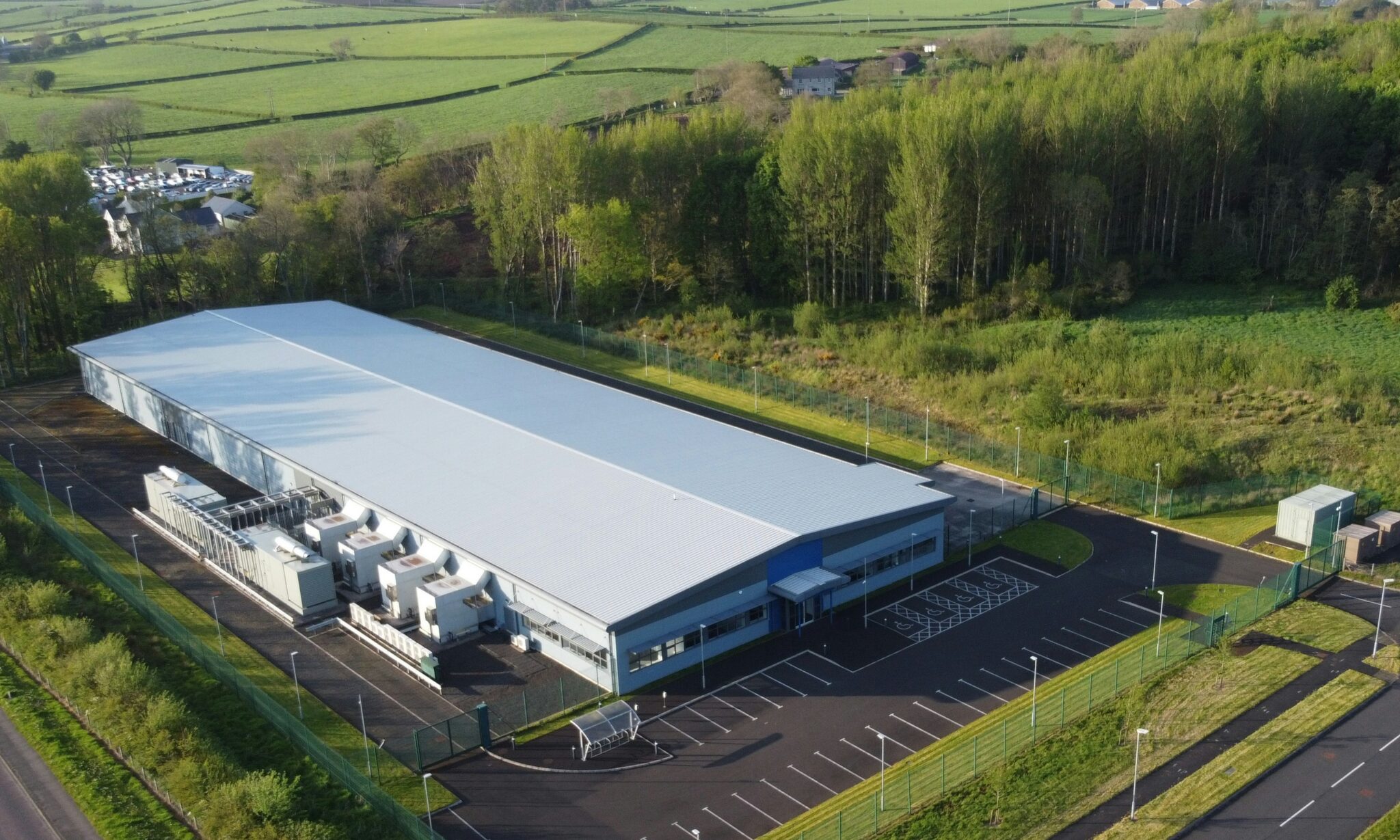
Data centers—facilities made up of large servers that store and process information—are in high demand as digital services, including generative artificial intelligence, continue to grow. They require large, reliable sources of energy and in the United States, are mostly being built in rural areas. Pennsylvania is the country’s second largest electricity-producing state, and 75 percent of its land is rural.
Leading up to the passage of the state budget last month, data center regulation was the focus of several bills proposed by Pennsylvania lawmakers, including Brown’s. Agriculture is one of the state’s biggest industries, generating US$132 billion per year and housing nearly 600,000 jobs, according to Pennsylvania’s Department of Agriculture.
“Why the need to go to farmland? Maybe because they see it as an easy sell to the farmer, [who] could make some quick money,” Brown says. “That’s what scares me—we’re making harsh decisions and overlooking very important needs for the future.”
In Salem Township, which has a population of around 4,000, nearly 100 Pennsylvanian families made an average of US$5.5 million by selling their land to the same developer. In other parts of the state, community members—citing concerns about rising land costs, the loss of natural resources, and the erosion of local lifestyles—have rejected data center proposals. Earlier this year, one 86-year-old Pennsylvanian was praised for turning down the US$15 million a developer offered for his 261-acre farm.
Brown’s Bill, if passed, will make it more difficult for data center developers to obtain farmland, particularly in areas with high concentrations of land suitable for agriculture. But for farmers, the influx of proposals is just one of the latest additions to an already complex network of challenges.
“Beginning farmers are struggling to find farmland after they get training, and access to farmland is a real issue,” Jeff Tkach, CEO of the Pennsylvania-based Rodale Institute, tells Food Tank. “How do we get new and aspiring farmers when farmland is so expensive and frankly unattainable? And now this added pressure from data centers and even the warehouse industry is making that even more complex.”
The Rodale Institute, located outside of Allentown, is a research hub and farmer training program that specializes in regenerative, organic agriculture. Tkach believes legislation like Brown’s can play a part in preserving Pennsylvania’s farmland and other natural resources. But it must be part of a “broader strategy,” he says, to increase public investment, farmer retention, and the viability of regenerative farming operations.
“It’s not just about keeping data centers out of our community, and making sure we have good legislation in place to protect farmland—that should go without saying,” Tkach says. “But how do we build on that and make our farms better for everyone, including the farmers themselves?”
Articles like the one you just read are made possible through the generosity of Food Tank members. Can we please count on you to be part of our growing movement? Become a member today by clicking here.
Photo courtesy of Geoffrey Moffett, Unsplash