
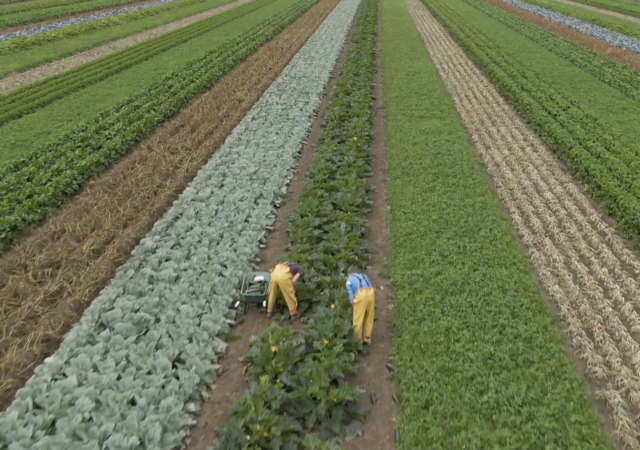
Efficiency has come at the expense of human and animal welfare. What if Dutch farmers and researchers can develop circular food systems that work with natural processes?

Food 2050 Visionaries: Nourishing Nairobi with Ubuntu
In Nairobi, urban farming is more than growing food—it’s restoring dignity, nutrition, and community.
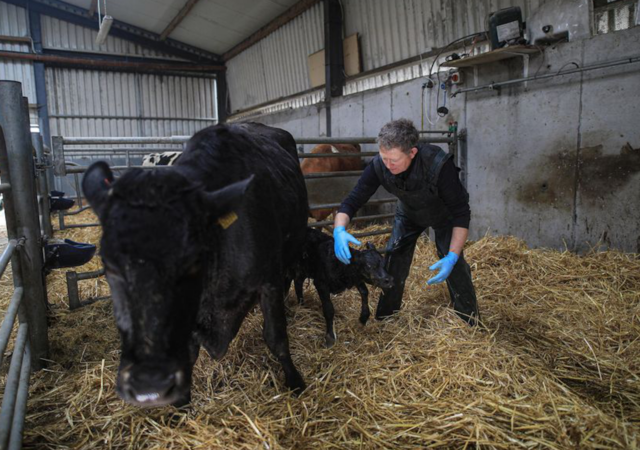
Community Is Essential to Farmer Resilience in Ireland
As a young farmer, Dennehy and 16 of his peers formed a group to help one another face the challenges of the agriculture sector. 30 years later, they’re gathering at the start of each month.
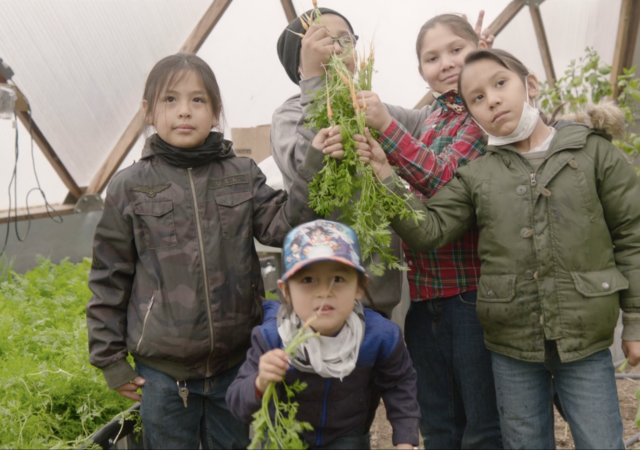
Food 2050 Visionaries: Lak̇óta Food as Medicine in South Dakota
The Sicáŋğu Lak̇óta, like other Indigenous communities in the U.S., have seen their traditional food systems dismantled over generations. Now, they’re rebuilding what they lost.
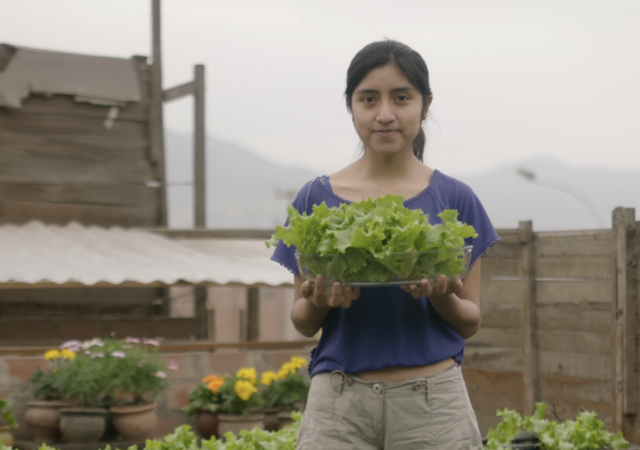
Food 2050 Visionaries: Lima’s Local Regeneration
With three simple, low-tech innovations, Lima can transform into a regenerative and resilient city.

Community-Based Action Uplifts Small Farms in California
Caroline Radice is building the infrastructure for the food system we need and that all eaters deserve.

Confinement Hog Farms Fuel a Public Health Crisis in Iowa: ‘Nobody Wants to Admit this Is What’s Happening’
Iowa has the second-highest rate of cancer incidence in the United States.
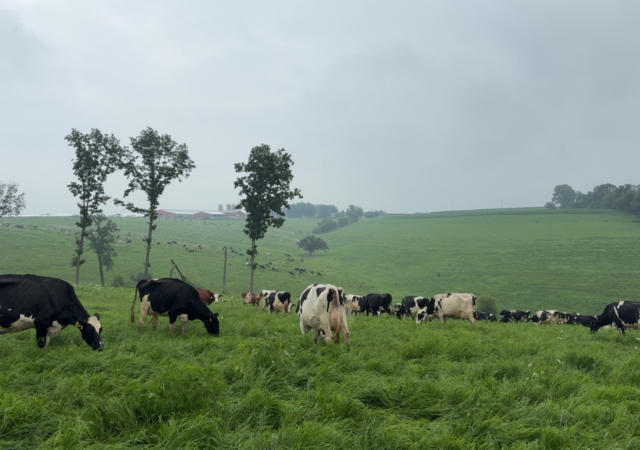
Protecting Family Farms ‘Takes All of Us Making Little Decisions Every Day’
Sabrina Servais realized that she didn’t have to travel the world to change it. She could make the impact she wanted right on her family’s farm.
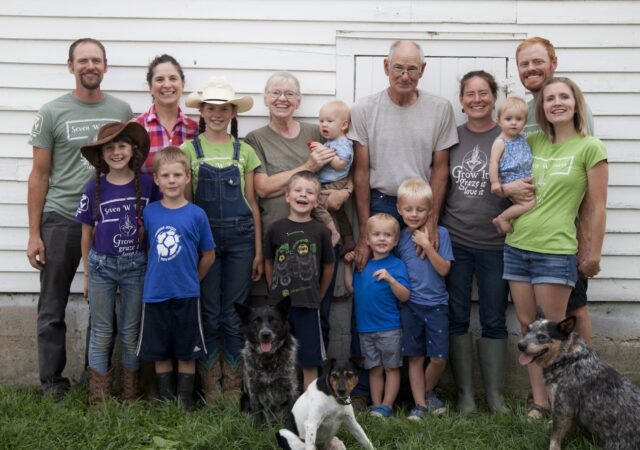
‘We’ve Been Called the Crazy Ones:’ Iowa Farmers Going Against the Norm
The Wilson family fits the typical, idyllic vision of an American family farm: multiple generations working together to continue the family legacy. But “we’re definitely the minority,” says April.

A Soil Health Journey at Maker’s Mark
Brian Mattingly is an eighth-generation farmer in Marion County, Kentucky, who grew up fascinated by soil. Shortly after college, he was hired at Maker’s Mark, a global whisky brand headquartered just three miles from his childhood home. Now as Director of Star…
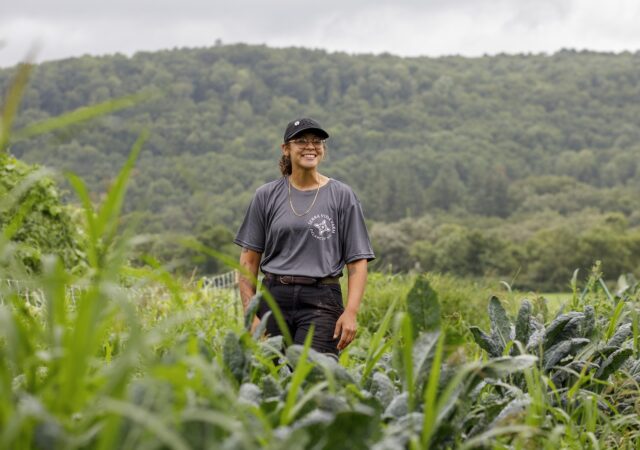
Holding Land and Honoring Roots in New York: ‘I’m Meant To Be Here’
When Sea Matías lost their grandmother in 2017, they felt called to continue her legacy of growing plants and building community through food.
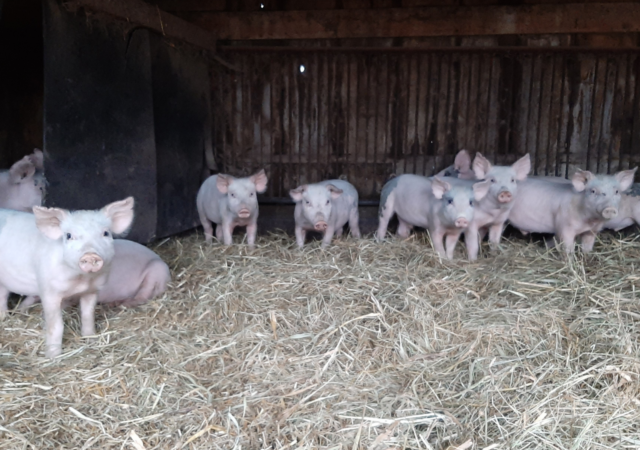
Building a Different Pork Market: ‘We’re Still Out There Raising Pigs in the Sunshine and Wide-Open Spaces’
In Iowa, one family farm is finding a way to raise pigs humanely—and stay profitable—by building a different kind of pork market.
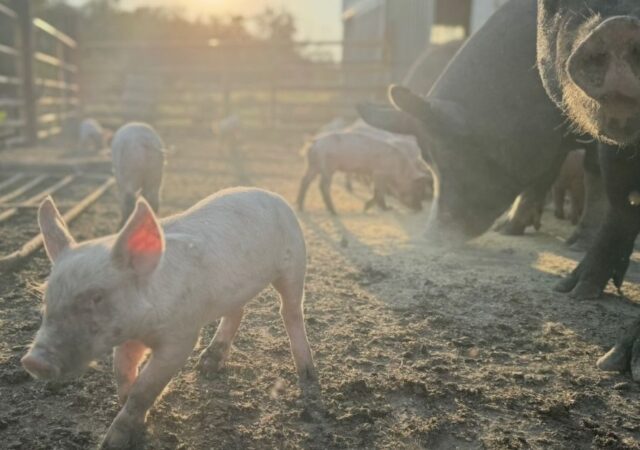
Bringing Back ‘The Old Way’ of Pig Farming
This fourth-generation Iowa farmer is committed to raising pigs “the old way” with room to roam and no antibiotics.
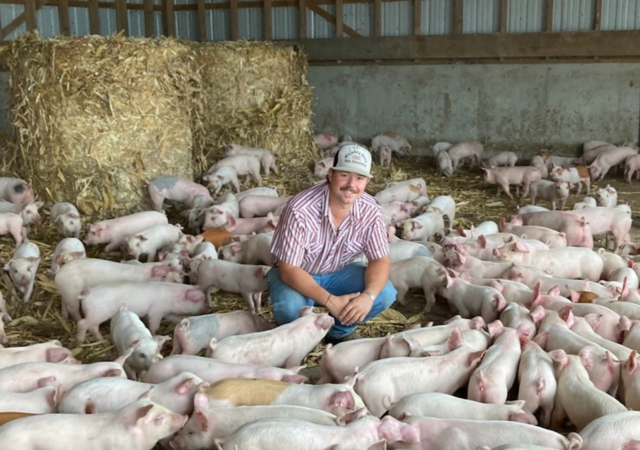
Fifth-Generation Farmer Revives a Family Tradition
Caleb Banowetz found a way to keep humane, family hog farming alive.
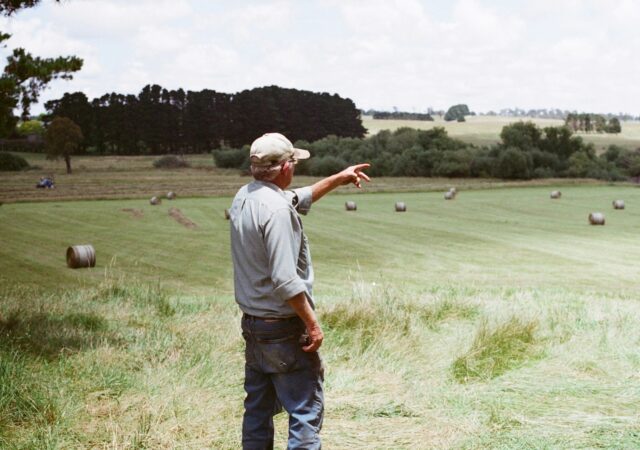
We’re Ignoring a Major Public Health Crisis—Farmer Mental Health
Major mental health organizations across the U.S. have support programs designed to address rural and agricultural health, but few focus specifically on farmer mental health.
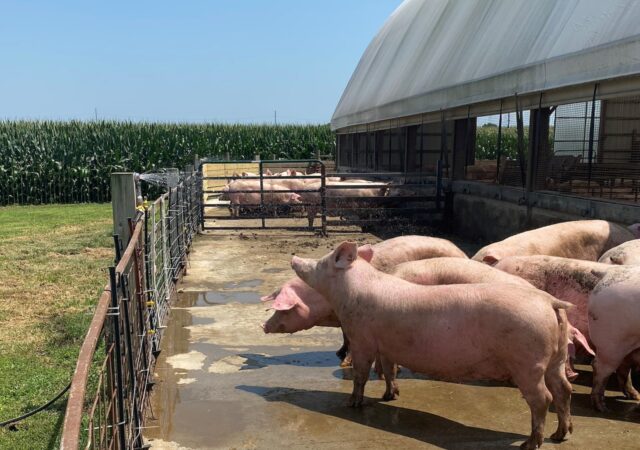
Family Farmer Finds a Connection to Eaters Through Livestock
“Livestock changes the focus of everything,” says third-generation farmer Randy Hutton, Jr. “It completes the loop.”
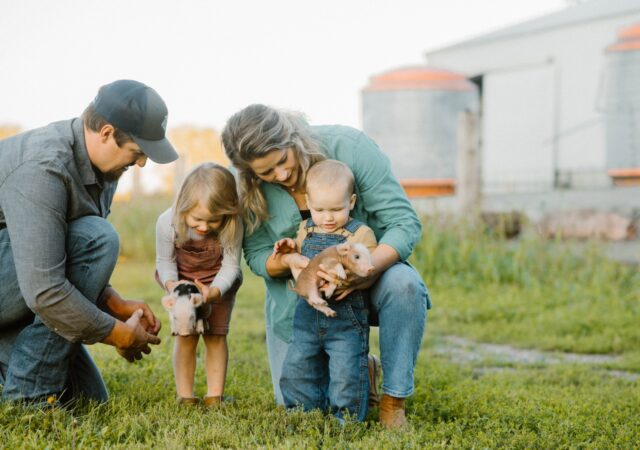
Sustainability Means ‘Freedom to Really Farm How We Should Be Farming’
Farmer Trisha Zachman is hopeful for the future, seeing more companies looking to source responsibly raised ingredients.
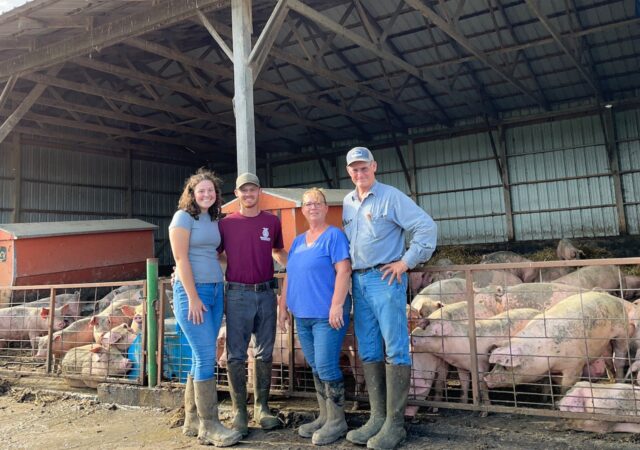
Easy and ‘Modern’ Isn’t Always the Best Way: The Promise of Sustainable, Humane Pig Farming
Kody McCleary, a 24 year old producer, says that maintaining the family farm for the next generation is his number one goal.
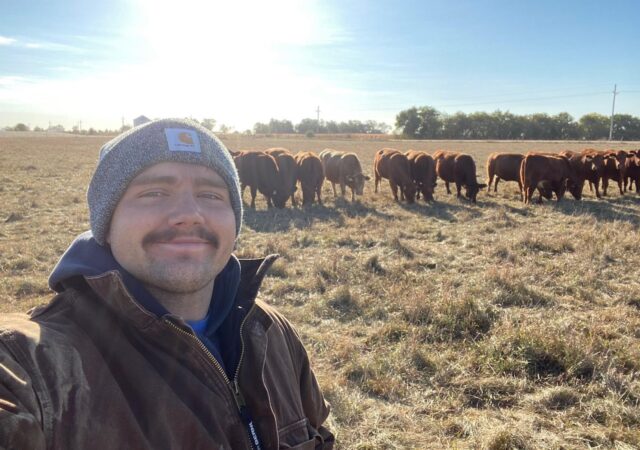
A Young Farmer Makes the Business Case for Humane Hog Farming
The family’s farm shows how smaller-scale, humane hog farming can be both environmentally and economically sustainable.

We Need to Change the Conversation about Food and Climate. Here’s What Leaders Have to Say
The climate conversation often centers heavily on carbon. But the pandemic showed us the need for resilient supply chains, and nature-friendly farming has benefits that go beyond that.