

Food Tank will bring New York City food leaders together to explore a healthier and more equitable food future.
Climate Change
These Solutions Are a Roadmap to a Stronger Food System, Part I
These solutions will help us truly make change at the scale we desperately need.
At Climate Week NYC, Farmers Look Toward a Stronger Future
Farmers, ranchers, and food leaders will gather at Climate Week NYC to explore ways to help farms and ranches thrive.
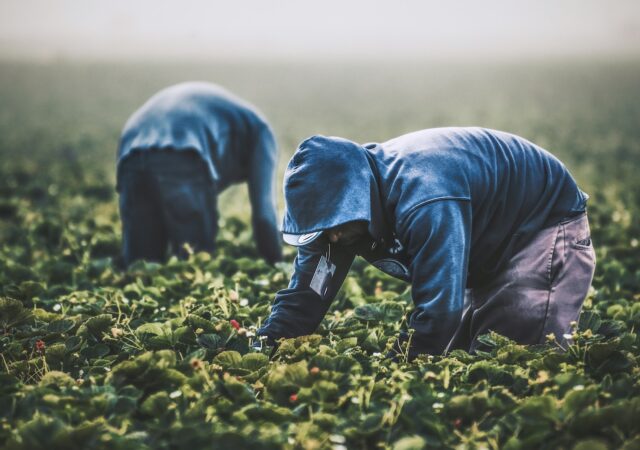
Food Tank’s Weekly News Roundup: Relief Efforts in Nepal, a New Regional Climate Fund, Wage Cuts Struck Down
From a new regional climate fund for Pacific Island nations to a ruling that wage cuts for U.S. farm workers was “unlawful,” here’s your weekly food news roundup.

Lineup Just Dropped: Are You Joining Food Tank at Climate Week?
We need to show the world that food and ag are key solutions to the climate crisis—but we need to move toward urgent, lifesaving action.

Bringing Food Education into Every Classroom
At Climate Week NYC we’re talking about the transformative power of food education.
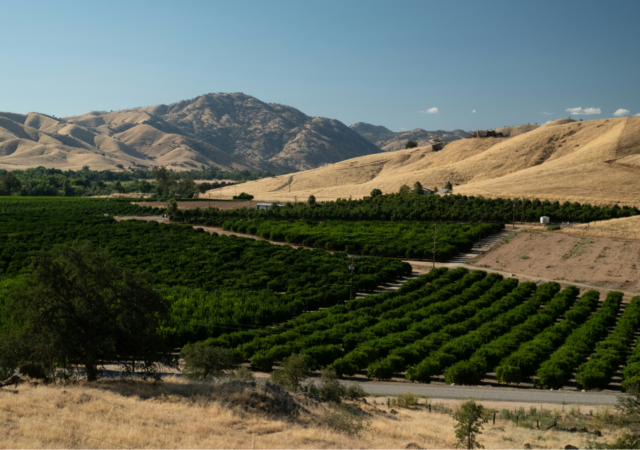
Food Tank Explains: Dryland Farming
Dryland farming supports food production without irrigation, relying entirely on rainfall.

The Future of Health Starts on the Farm
Join us at Climate Week NYC to explore how better farming can lead to better food.
Food Tank’s Weekly News Roundup: Ecosystems Recovery, Aquifers Replenishing, and USDA’s Staffing Shortages
From a hopeful update on global land restoration to a troubling pause in reporting on three of the world’s hunger hotspots—here’s your weekly food news roundup.
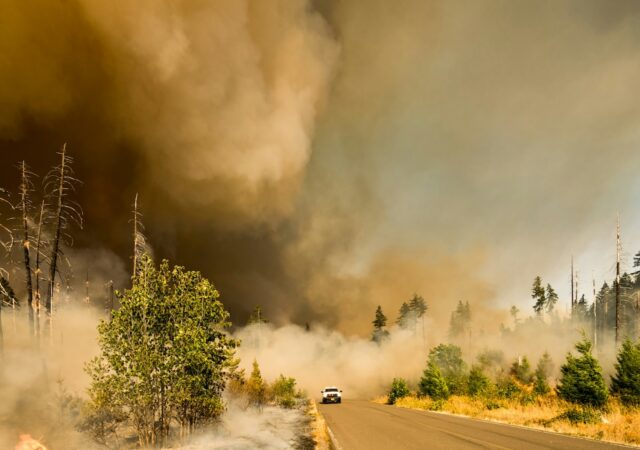
Why Climate Resilience Is Worth the Investment
Ignoring climate solutions now comes at a far greater cost down the road.
The Race to Protect Food Systems: Supporting Farmers Before El Niño
El Niño could bring more drought and flooding, but early action can help protect farmers, food supplies, and vulnerable communities.
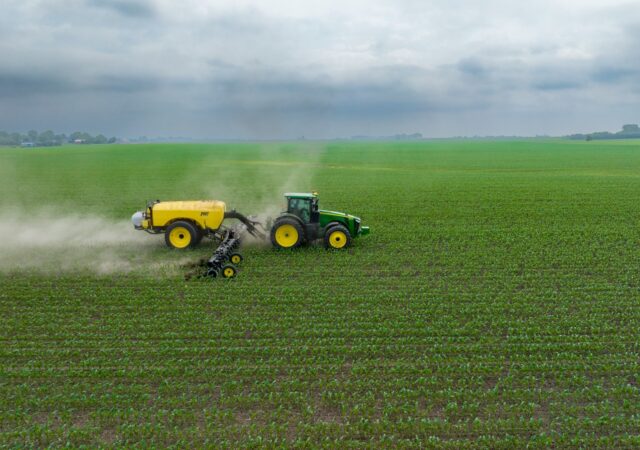
Food Tank’s Weekly News Roundup: Earthquake Recovery, Cutting Food Loss, Phasing Out Paraquat
NGOs support earthquake victims in Indonesia and Colombia, innovations help women fishers cut post-harvest losses, California phases out a toxic weedkiller.
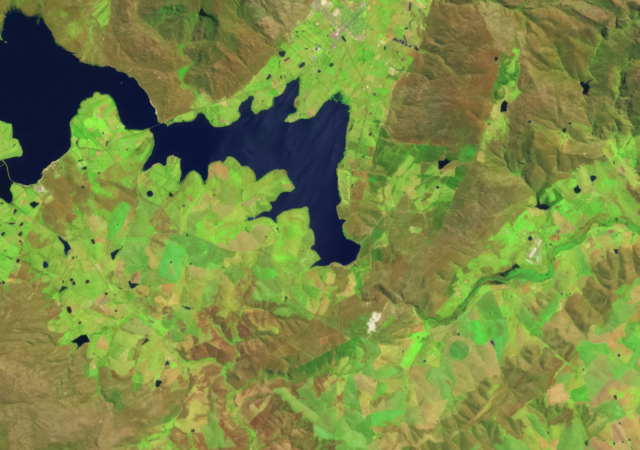
Big Data for Food and Climate Resilience in Africa: Digital Earth Africa Moves to icipe
icipe is using satellite data to improve regional food security and climate resilience.
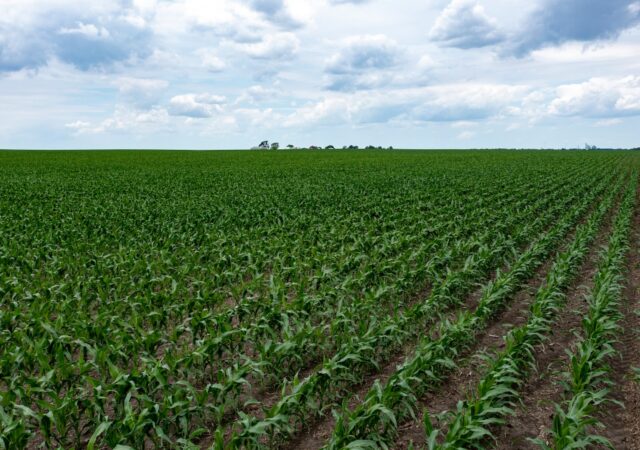
Food Tank’s Weekly News Roundup: Schools Tackle Child Hunger, What’s Missing from the Cyclospora Conversation, Restored Soils Boost Food Security
Schools leverage a federal option to tackle hunger, what’s missing from the cyclospora outbreak conversation, research reveals the food security potential of healing soils.

At a Kenya Research Center, Insects Are Helping Farmers Reduce Their Reliance on Synthetic Fertilizers and Pesticides
Scientists at icipe are using insects and nature-based solutions to help farmers grow food more sustainably and strengthen local food systems.
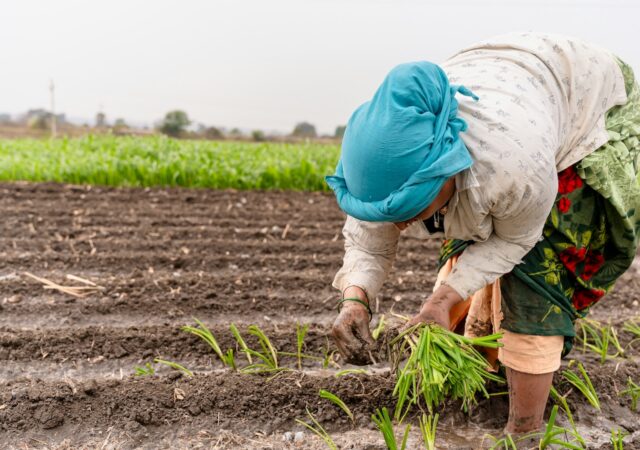
Food Tank’s Weekly News Roundup: India Acts to Empower Women Farmers, $127 Million in USDA Grants Restored, Nigeria’s Hunger Crisis Worsens
This week, one Indian state looks to pass legislation to support women farmers, a judge orders the USDA to restore millions in grants, and Nigeria’s hunger crisis deepens.

Op-Ed | The Food System Is Driving Two Crises at Once—and Could Help Solve Both
Meaningful progress on both climate and public health will require addressing some of the same upstream drivers.

Climate.gov is Back With a New Name—From Employees Fired by Trump
Former National Oceanic and Atmospheric Administration employees launched Climate.us in June, restoring public access to a treasure trove of climate resources.

Food Tank’s Weekly News Roundup: Extreme Heat Hits Europe, Regenerative Agriculture Grows, and SNAP Enrollment Falls
This week, Europe struggles in extreme heat, new frameworks can scale regenerative agriculture, and a new analysis reveals that millions have lost access to SNAP since last year.
When Federal Leadership Falls Short, Cities Can Lead the Way
“There’s this backtracking on the wealth of information we know about systems approaches,” says food systems expert Jessica Fanzo.