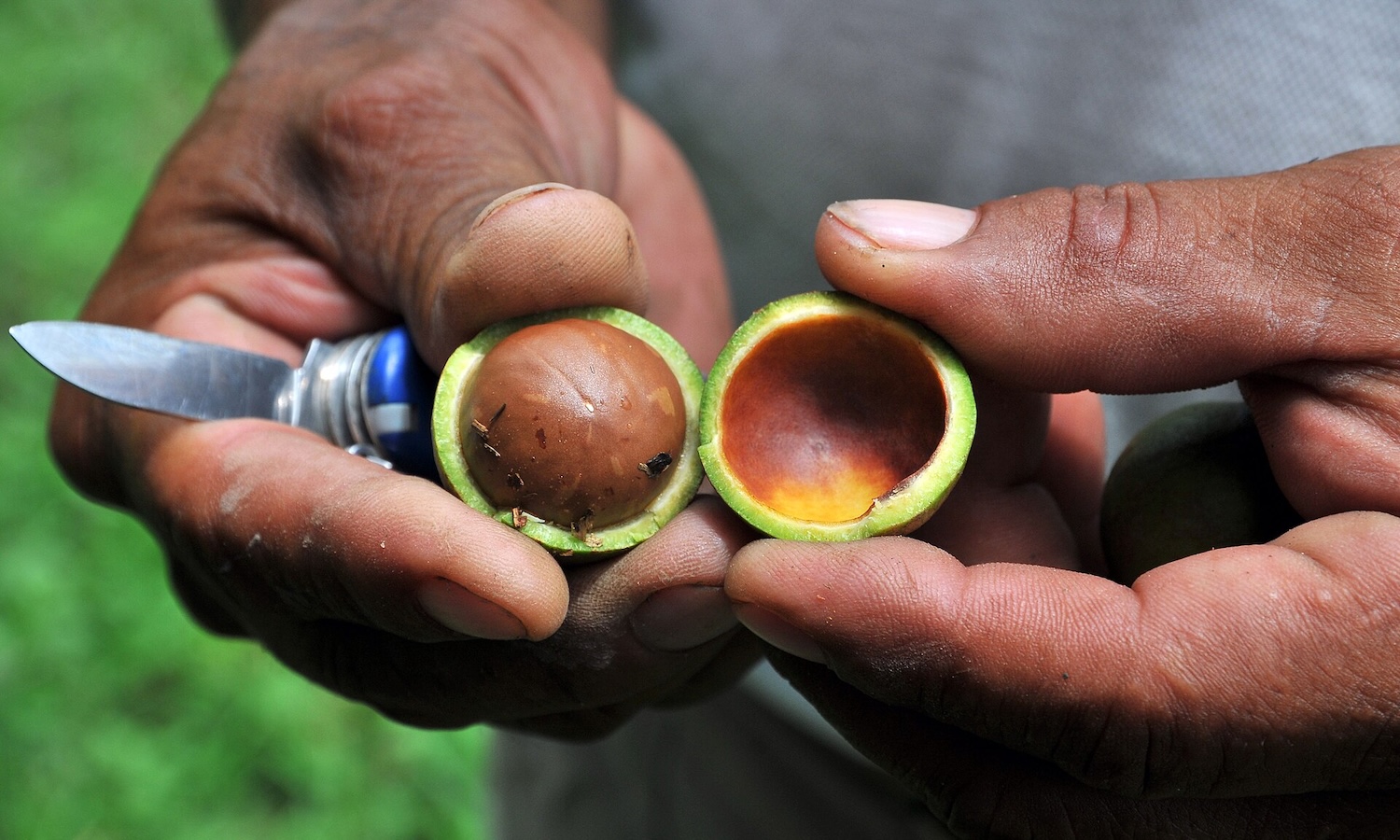
The United Nations International Fund for Agricultural Development (IFAD) and the Ministry of Agriculture, Forestry and Fisheries of Japan (MAFF) are launching a new intervention to strengthen the macadamia nut value chain in Rwanda.
This is the second venture of the IFAD and MAFF’s joint Enhanced Linkages between Private Sector and Small-scale Producers (ELPS) initiative. ELPS is a strategic partnership to engage Japan’s private sector in fighting hunger, malnutrition, and poverty by investing in rural development globally.
The new intervention forges an economic partnership Rwanda Nut Company Ltd. and its parent company OSTI to help ensure Rwanda’s macadamia nut value chain is secured with core resources. According to Rick van der Kamp, Lead Specialist on Markets and Value Chains at IFAD, a main objective of the partnership is increasing Rwanda Nut Company’s productivity, therefore increasing farmers’ revenue.
“We currently expect this to lead to better prices and higher volumes for the farmers,” van der Kamp tells Food Tank. “The idea is to get farmers almost US$90 per year more income—that’s significant when many farmers in Rwanda only earn about US$500 or so per year.”
More than 70 percent of Rwanda’s population work in agriculture, and the agricultural sector contributes 33 percent to the country’s GDP, according to the World Resources Institute.
Rwanda Nut Company also aims to secure organic certification, which would both serve as a further income generator for farmers and “ensure sustainable, environmentally-friendly production,” says van der Kamp.
Organic certification “plays an important role in domestic and international organic trade since it enables organic producers to access export and local markets, and to obtain premium prices while improving farming practices,” states the Rwanda Standards Board. IFAD expects that OSTI Japan’s resources can help Rwanda Nut Company farmers work towards obtaining this certification.
According to Rwanda Nut Company, macadamia trees take five years to produce fruit from seed to harvest, and an additional 15 years to reach peak harvest. “The amount of time it takes to bear fruit is almost as long as raising a family. The process is important to farmers in the same way family is important to us,” the Company says.
The ELPS initiative, which supports the development of Rwanda Nut Company’s value chain, aims to leverage the innovation and efficiency of the Japanese private sector. They hope this will help to raise incomes and create job opportunities for rural small-scale producers in Africa, according to IFAD.
“With hunger on the rise in Africa for yet another year, the need to partner with the private sector has never been more pressing,” President of IFAD, Alvaro Lario says.
And van der Kamp believes this partnership is a good example of how leveraging corporate investment can directly impact the quality of life of small-scale producers. “More than anything, we work to get farmers more income from their farms,” he tells Food Tank, “so they can buy nutritious food [and] pay for their children’s schooling and unexpected medical bills.”
Articles like the one you just read are made possible through the generosity of Food Tank members. Can we please count on you to be part of our growing movement? Become a member today by clicking here.
Photo Courtesy of Neil Palmer, Wikimedia Commons