This article is part of Food Tank’s primer series, “Food Tank Explains.” Each installment unpacks the ideas, innovations, and challenges shaping today’s food and agriculture systems, offering clear insights into complex topics. To explore more articles in the series, click here.
Organic farming intends to maintain and improve healthy soils, support ecological balance, and conserve biodiversity through a combination of cultural, biological, and mechanical farming practices.
Although organic agriculture is defined, regulated, and certified differently across countries and institutions, a core value of organic farming is working in harmony with nature. Organic standards typically prohibit or strictly limit many synthetic fertilizers and pesticides, genetically modified organisms (GMOs), and synthetic growth hormones.
Instead, farmers build soil fertility with practices like composting, cover cropping, and crop rotation. Healthy soils support plants that are more resistant to pest pressure and can attract populations of beneficial insects, according to the Rodale Institute.
More serious pest problems are managed with methods like applying pheromones to disturb pest mating cycles, or mechanical controls like trapping. Organic livestock standards also generally require greater access to the outdoors and practices that support animal welfare.
Because of bans or limits on artificial fertilizers, pesticides, and herbicides, organic systems often require less fossil fuel-derived inputs. This means they also have a lower carbon footprint compared to conventional agriculture. In a 40-year trial, Rodale Institute found that organic farming systems used 45 percent less energy than conventional systems while maintaining crop yields.
Organic practices that foster soil health also help increase carbon sequestration. A review of 400 studies comparing thousands of farms shows that organic systems contain higher levels of stable soil organic carbon and produce lower nitrous oxide emissions than conventional agriculture. And according to Soil Association research, organic farms have on average 44 percent more soil carbon, and 50 percent more wildlife.
Yazen Al Komadi, an organic farmer based in the United Arab Emirates, likes to show the tangible benefits of organic farming systems to his farm’s visitors. “We’re not trying to use scare tactics about sustainability or chemicals,” he tells Food Tank. Instead, he encourages them to feel the difference in their soil, admire the insects living under their feet, and take in crop diversity.
Research also suggests that organic farming can make agricultural systems more resilient. By increasing organic matter in the soil, organic farming improves water infiltration by 15–20 percent, helping crops better withstand drought and heavy rainfall, according to the Natural Resources Defense Council. In the Rodale Institute’s Farming Systems Trial, organic crop yields were as much as 40 percent higher than conventional yields during drought years.
“I think that folks are realizing that what you do to the planet, you do to yourself,” Matthew Dillon, the Co-CEO of the Organic Trade Association (OTA), tells Food Tank. “I want us to think about organic not just as an investment in any given season, but an investment in the future generations.”
Organic certification requirements vary across countries, but they generally establish standards for how food is produced, processed, and labeled. In the United States, the U.S. Department of Agriculture (USDA) National Organic Program requires crops to be grown on land that has been free of prohibited substances for at least three years before harvest.
Farmers must prioritize practices such as crop rotation, cover cropping, and biological pest management, while genetic engineering, sewage sludge, and ionizing radiation are prohibited. Livestock must receive certified organic feed, year-round access to the outdoors, and preventive health care. Products bearing the USDA Organic seal must contain at least 95 percent certified organic ingredients.
As U.S. eaters become increasingly concerned about the overuse and misuse of pesticides, interest in alternative practices is growing, says Kathleen Merrigan, Executive Director of the Swette Center for Sustainable Food Systems at Arizona State University. “I think [that] will cause more and more people to look at organic and I think that’s a great thing,” she tells Food Tank.
Under the European Commission Organic Farming regulations, artificial fertilizers and chemical pesticides are banned unless explicitly pre-approved by the European Commission, and crops are required to be rotated. Soil Association Certification is the United Kingdom’s leading organic certifier, certifying around 70 percent of all organic food.
Canada regulates organic claims only for products traded across provincial or international borders. Across much of Africa, organic certification remains closely tied to export markets, and national legal frameworks range from comprehensive legislation to voluntary standards that continue to evolve.
Global temperatures are rising, precipitation patterns are changing, and pest populations are developing pesticide resistance. That’s why the Rodale Institute believes now is the time to transition to organic practices.
Articles like the one you just read are made possible through the generosity of Food Tank members. Can we please count on you to be part of our growing movement? Become a member today by clicking here.
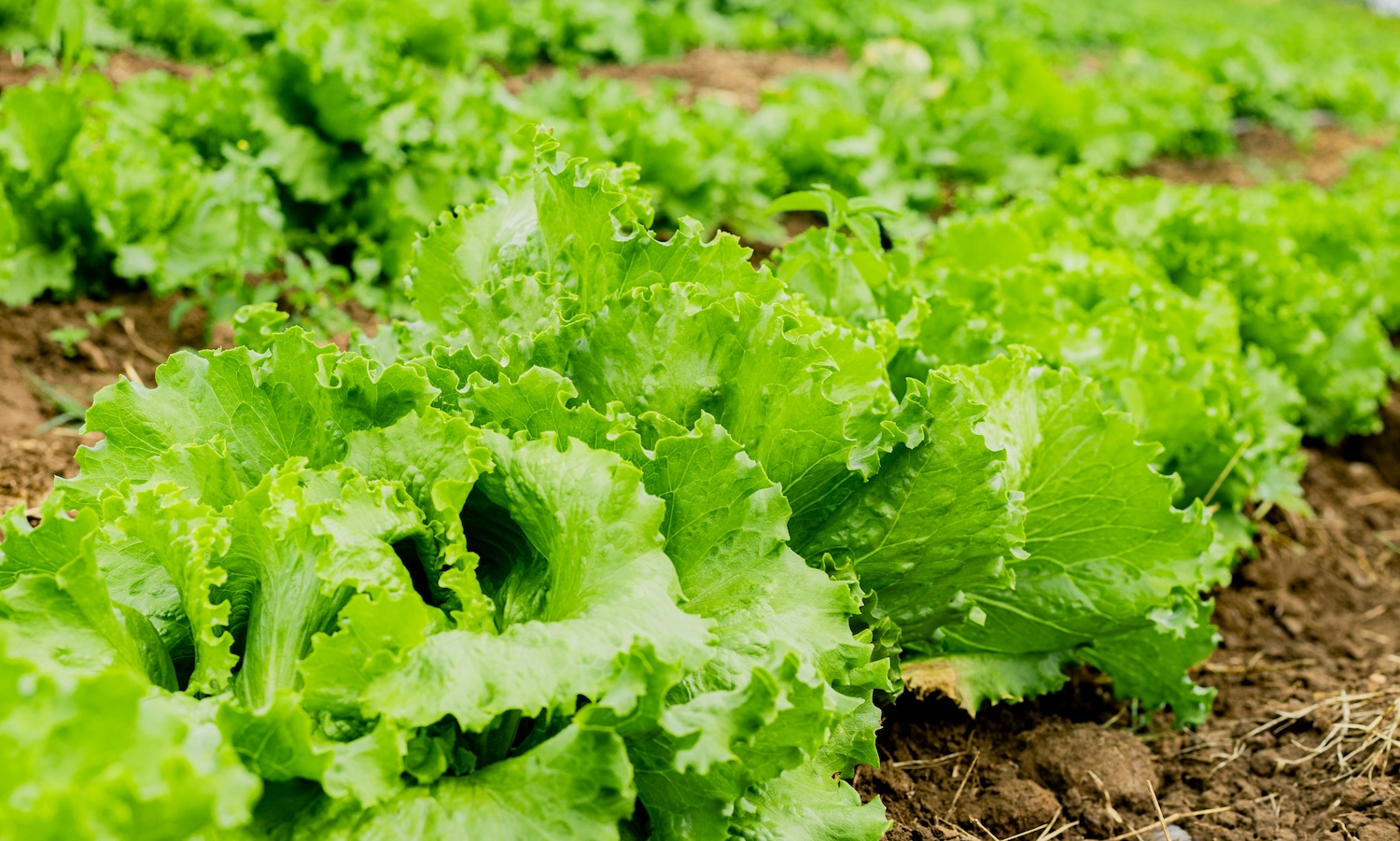
Photo courtesy of Divaris Shirichena, Unsplash