Meteorologists warn that this year’s El Niño may be one of the strongest on record. As communities around the world brace for more extreme weather events, the International Fund for Agricultural Development (IFAD) is helping farmers build resilience.
Every two to seven years, El Niño causes widespread disruptions around the world, from drought to heavy rains. Past ones “have left economies devastated,” Sara Mbago-Bhunu, Director of East and Southern Africa Division at IFAD, tells Food Tank.
The U.N. agency works with governments and development partners to put prevention measures in place before a crisis hits. Seasonal climate forecasts and early warning systems can inform planning, identify vulnerable areas, and establish preparedness measures.
“All regions really should be willing to prepare for this,” Mbago-Bhunu says. Because El Niño will look different across geographies, mapping helps IFAD understand the likely impacts and how to adapt accordingly.
Ethiopia, northern Uganda, Zambia, and Mozambique, for example, are likely to see less rain during their main growing season. In these regions, water capture technologies must be scaled up. Meanwhile in Tanzania and coastal Kenya—likely to experience higher-than-average rainfall—flood-resistant roads, warehouses, and markets are needed.
Mbago-Bhunu says that governments across the continent understand the importance of building more resilient systems, not only to respond to El Niño, but also to the broader effects of the climate crisis.
“They understand if they don’t invest in their water tables, in their water towers, they will not be able to have productive capacities to feed their populations in the future,” she tells Food Tank. “They also understand that supporting soil fertility might not see immediate gains, but will definitely have future returns.”
But funding for climate adaptation in Africa remains inadequate. “We get a fraction of global funding as it is,” Mbago-Bhunu says. “So [governments] have to mobilize cheaper sources of financing domestically and then…channel those into longer term solutions.”
This approach pays off, Mbago-Bhunu argues. She points to the last El Niño in 2023, which affected more than 1 million Zambian households. Around US$900 was required to provide life-saving aid and early recovery assistance—far more than the cost of preventative measures.
“Investing in resilience is cheaper than responding to disaster.”
Listen to the full conversation with Sara Mbago-Bhunu to hear about the unique vulnerabilities women and girls face from extreme weather events, how IFAD leverages resources from its projects to respond to urgent needs, and what the private sector can do to support farmers and governments.
Articles like the one you just read are made possible through the generosity of Food Tank members. Can we please count on you to be part of our growing movement? Become a member today by clicking here.
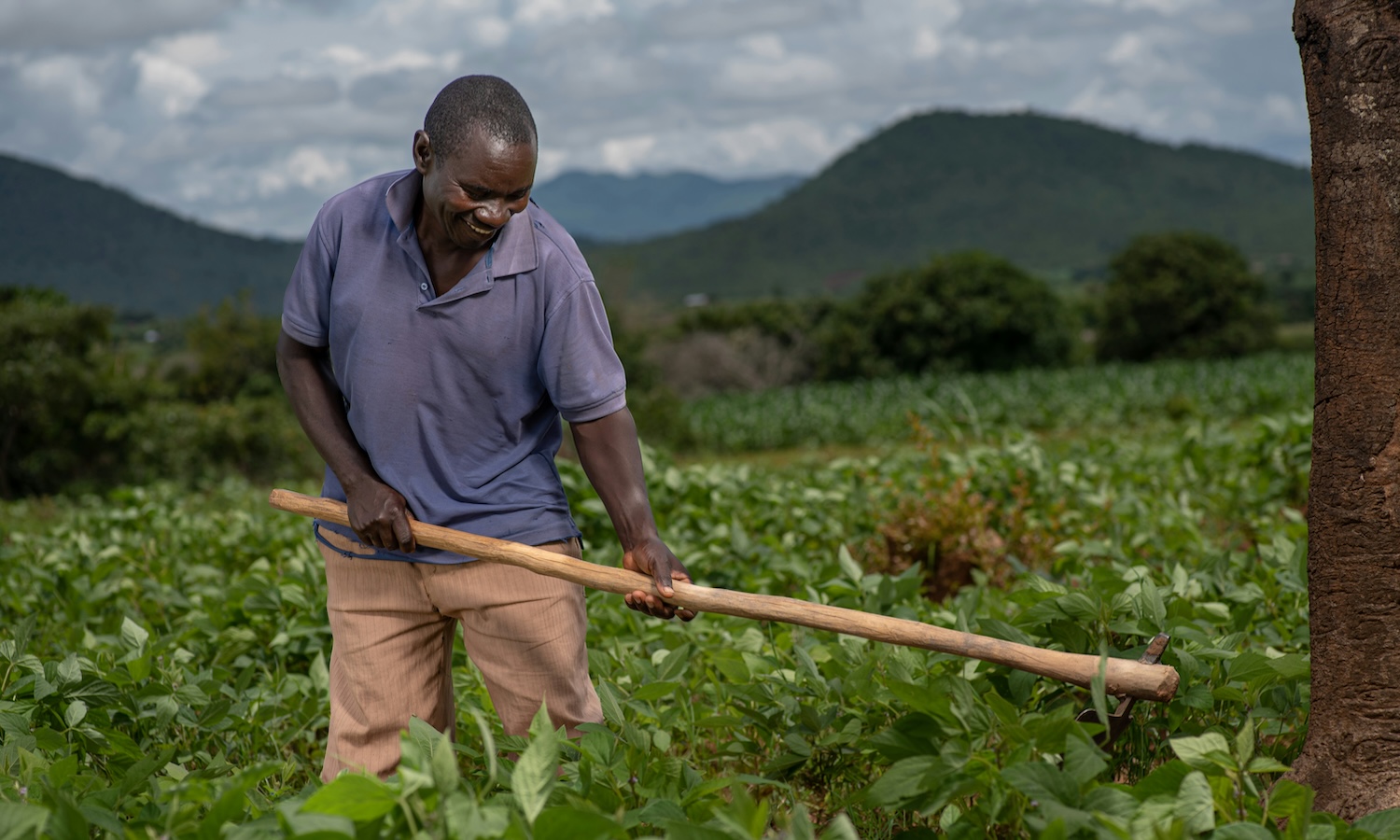
Photo courtesy of Richard Nyoni, Unsplash