
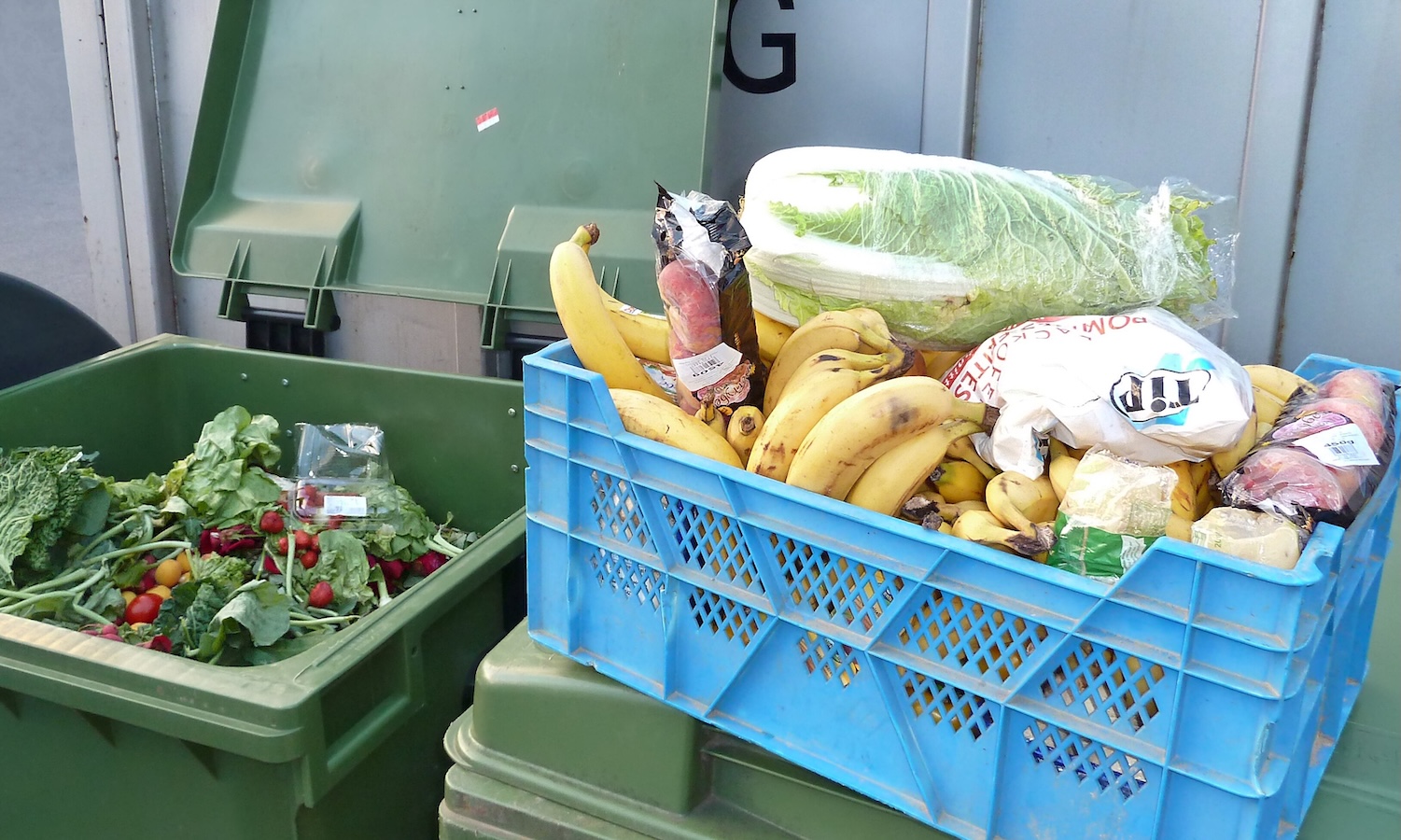
The European Parliament recently voted to adopt new European Union-wide targets for member states to curb food waste across manufacturing, retail, food service, and households by 2030.
The targets call for eliminating food waste from retail, food service, and households by 30 percent per capita compared to averages from 2021-2023. They also aim to cut food waste from processing and manufacturing by 10 percent.
With the passage of the new targets, countries will attempt to channel surplus from farms, manufacturers, and retailers to food banks and pantries that can provide meals to food-insecure residents. The EU’S Food, Farming, and Fisheries data reports that almost 60 million tonnes of food go to waste across the EU every year. This is equal to 132kg (US 70 pounds) per person annually. At the same time, over 42 million people cannot afford a quality meal every day.
“Food on the table is always better than food in the bin,” Will Nicholson, Global Food Waste Programme Lead at Waste and Resources Action Programme (WRAP) tells Food Tank. “We should be guided by the well-established food waste hierarchy—prevent food waste in the first place, and make sure it goes to people who need support before any other option.”
The EU wastes currently more food than it imports, according to the European Environmental Bureau. In response, 20 EU countries issued a joint statement in 2022 calling on the EU to introduce legally binding targets to cut food waste by 50 percent by 2030. The new directives align with this call to action.
But some organizations who have pushed for food waste reduction worry the new targets fall short. Zero Waste Europe (ZWE), a network of 39 non-governmental organizations across Europe, calls these targets “too little too late” in a published response to the new directives.
ZWE calls the 10 percent goal for the manufacturing and processing sector “inadequate.” The sector has “high reduction potential and the climate impact of food production…particularly methane emissions from landfills,” Manon Jourdan, ZWE’s Waste Prevention Manager, tells Food Tank.
The network believes the waste reduction target for this sector should be, at minimum 25 percent, but says 40 percent would be ideal. ZWE points out that this is in line with the progress of some large UK manufacturers. It would also put the U.N.’s Sustainable Development Goal 2 (SDG), which calls for halving global food waste per capita across the food supply chain by 2030, closer within reach.
WRAP agrees the new targets fall short of the SDGs, but they acknowledge that the declaration of them as a step in the right direction. They are now calling for “fast-tracking collaboration and new innovations that help us to go further, faster,” Sofie Schop, WRAP’s Executive Director for Europe, tells Food Tank.
WRAP convened the Food Pact Network across nine countries around the world to drive the sustainable production, transportation, and consumption of food, without waste. They want to see policymakers across EU member states engage in cross-sector collaboration with nonprofit innovators to adopt and implement food waste reduction in line with the SDG targets.
“We would like to see more member states working together and working with experts in the field like ourselves,” Estelle Herszenhorn, Director of Food System Transformation at WRAP, tells Food Tank, “It will allow us to better embrace the new opportunities that are emerging for accelerating progress,” such as technologies that help manufacturers measure, identify, and reduce their waste more efficiently.
EU countries currently self-report their national food waste via the tool Eurostat, but Jourdan thinks a more standardized system will help eliminate inconsistencies and create more transparency and accountability across industries.
To help eliminate household food waste, Jourdan thinks eaters would benefit from clearer labeling standards that minimizes confusion around expiration dates. She also wants to make sure eaters don’t bear the brunt of any costs associated with waste reduction efforts, stating “We need to shift part of the financial responsibility for food waste back onto producers and retailers.”
Articles like the one you just read are made possible through the generosity of Food Tank members. Can we please count on you to be part of our growing movement? Become a member today by clicking here.
Photo courtesy of Foerster, Wikimedia Commons