A new report from WWF highlights how we still have time to protect global biodiversity. While the decline in biodiversity worldwide shows no sign of slowing, according to a new WWF report, the organization believes that nature recovery is still within reach.
“Nature underpins our economies…It’s our life support system,” says Kirsten Schuijt, Director General of WWF International. But it “continues to be degraded at an alarming scale.”
The new Living Planet Report, which covers more than 35,000 populations and 5,700 species of mammals, birds, fish, reptiles, and amphibians, shows that not all regions are affected evenly.
Biodiversity decline is highest in Latin America and the Caribbean, followed by the African continent. But Andrew Terry, the Chief Conservation Officer for the Zoological Society of London, is careful to note that the results don’t mean regions like North America and Europe haven’t seen significant population decline. Rather, the biggest drop-off took place before 1970, when scientists established a baseline to measure against.
WWF points to food and agriculture systems as the largest cause of habitat loss and degradation. They’re also a major contributor to the climate crisis and the overexploitation of species. Together, these make the sector the leading driver of biodiversity decline.
“Habitat loss driven by agriculture is a threat to over 80 percent of all threatened terrestrial bird and mammal species,” Rebecca Shaw, Lead Author of the report and WWF’s Chief Scientist, tells Food Tank. “Overfishing is the leading cause of biodiversity loss in marine ecosystems and water extraction for agriculture.” She also adds that polluted runoff is responsible for 50 percent of all freshwater biodiversity loss.
But WWF still finds reason to remain hopeful. “Nature can rebound especially when we work together,” Schuijt says.
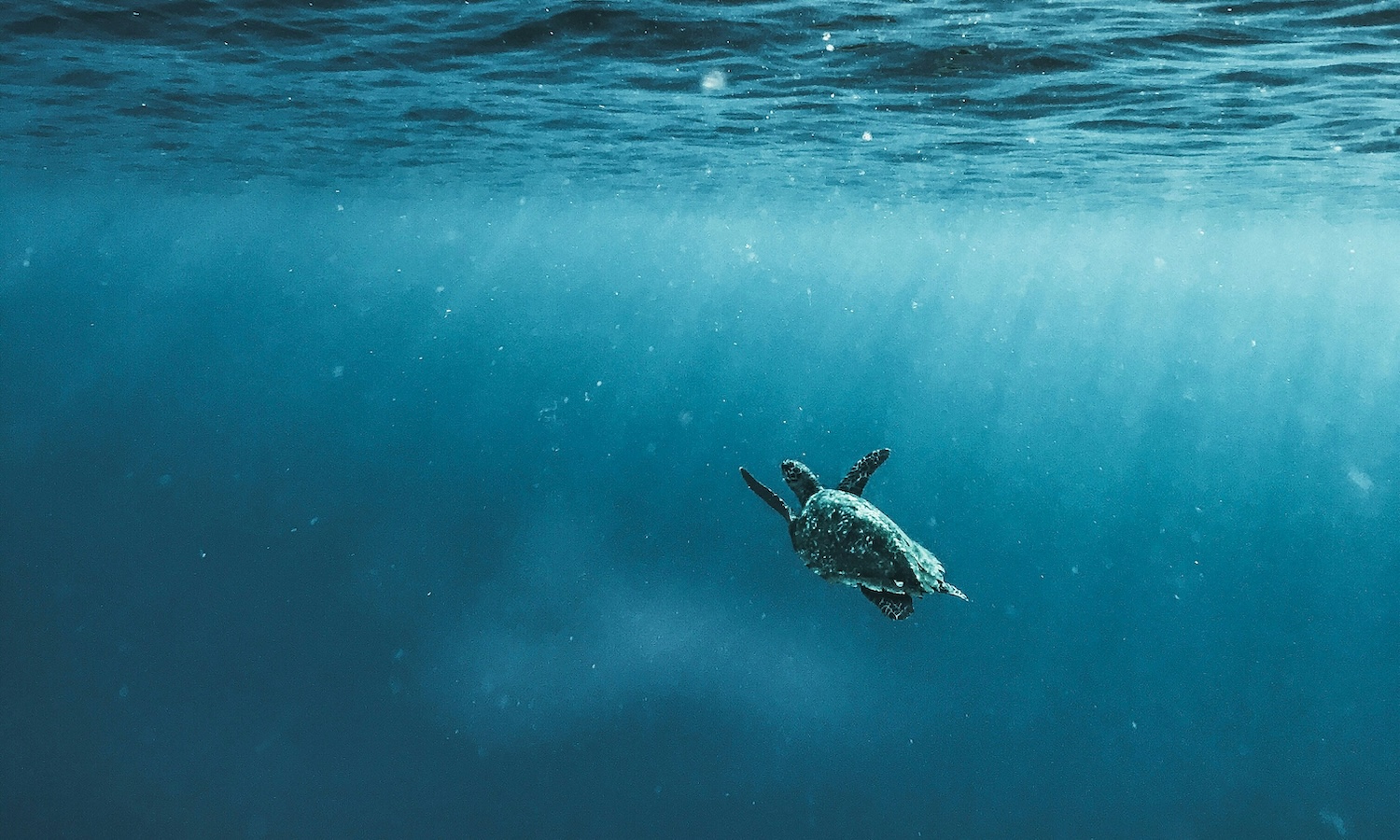
The report highlights the green sea turtle—they became the first marine turtle to ever be downgraded on a conservation list. After 50 years of collaborative efforts spanning 80 countries, it has been recategorized, moving from an Endangered species to one of Least Concern.
Atlantic and Pacific bluefin tuna are another example. Decades of overfishing brought populations to the brink of collapse. But concerted efforts to protect and replenish stocks mean that neither is considered threatened today.
“Targeted conservation action works, and it works really well, but it can’t overcome the threats to nature alone,” says Shaw. She argues that lessons from these projects can be taken and applied to address the root causes of biodiversity loss and drive systems change.
To reach a positive tipping point in food and agriculture systems, WWF argues that change is needed in three major areas. They call for the wide-scale adoption of nature-positive farming practices, a shift to healthy and sustainable diets, and a reduction in food loss and waste.
These changes “could have a dramatic impact on decreasing biodiversity loss,” Shaw tells Food Tank. “At the same time, it would also have extraordinary human health and economic benefits. The potential is huge.”
The transition to renewable energy sources must also continue to accelerate, the report states. Meanwhile funding must flow away from systems that harm ecosystems and toward those that regenerate them.
To make this transformation possible, WWF believes it is essential to uplift bright spots that prove efforts pay off.
“Hope is not an abstract thing. It’s based in science,” Schuijt says. And as long as people believe change is possible, she is adamant people will be willing to act —an attitude that is particularly important for the next generation. “Young people need to feel they can still contribute to a better future.”
Articles like the one you just read are made possible through the generosity of Food Tank members. Can we please count on you to be part of our growing movement? Become a member today by clicking here.
Photo courtesy of Shelley Pauls, Unsplash