Rising grocery bills were a top concern for voters in the midterm elections. For millions of families, these higher costs are making healthy food difficult to afford, contributing to rising rates of diet-related diseases, and escalating health care costs.
Farmers are struggling, too. Increased costs for fertilizer, pesticides, equipment, land, and diesel, coupled with low commodity prices and mounting debt, are driving record numbers of farmers out of business. Meanwhile, agribusiness corporations profit from concentrated markets that leave farmers with little bargaining power and consumers paying more.
Rural communities are suffering, as pollution from industrial livestock operations and chemical-intensive agriculture contaminates their air and water, threatening public health. Iowa, for example, has the fastest rising cancer rate in the country.
Trump’s tariffs and war with Iran have made these problems worse, but the problems go back decades. Federal farm policies have long supported factory farms and pesticide-intensive commodity crops grown primarily for animal feed and biofuels instead of healthy food for people. Yet as Americans across the political spectrum call for healthier, more affordable food and fewer toxic chemicals, the most recent Republican Senate Farm Bill proposal, shaped by agribusiness interests, would further entrench this broken system.
Democrats must craft a new Farm Bill that delivers for struggling families, farmers, and the environment. The five-year Farm Bill is one of Congress’ most powerful tools for addressing the economic pressures facing farmers and rural communities while making healthy food more affordable for American families.
Following Democrats’ historic victory, it is unfortunate that Democratic leaders are now negotiating on a deeply flawed lame-duck Farm Bill that would trade away the chance for lasting reform in exchange for a narrow Supplemental Nutrition Assistance Program (SNAP) concession. Instead of negotiating with Republicans now, Democrats should work with incoming members of Congress from farm states to redirect federal support from chemical-intensive commodity production toward healthy food, nutrition assistance, conservation, organic and regenerative farming, land access, affordable credit, and regional food infrastructure.
This current Farm Bill proposal will do little to address either the U.S. Department of Agriculture (USDA) cuts to programs that help schools and food banks buy local food or the deep cuts to SNAP and elimination of nutrition education funding. A better Farm Bill could reverse course by restoring nutrition education and food assistance and helping schools, food banks, and other public institutions buy more food from local and organic farmers. These investments would give farmers reliable markets, expand access to fresh, healthy food, and keep more food dollars circulating in local economies.
The current Senate Farm Bill proposal diverts nearly US$2 billion from the Environmental Quality Incentives Program (EQIP) and the Conservation Stewardship Program (CSP), two conservation programs, hurting an estimated 56,000 farmers. Senator Michael Bennet has now called for restoring these conservation funds as a condition of his support for a lame-duck Farm Bill. At the same time, the bill fails to establish meaningful payment limits that would allow more resources to go to small and mid-sized farms. And in a massive giveaway to agrochemical corporations, the bill would delay long-overdue safety reviews of dozens of pesticides, potentially allowing dangerous chemicals to remain on the market while leaving the public in the dark about their risks.
A better Farm Bill should make greater investments in conservation programs that help farmers cut long-term production costs by reducing reliance on expensive fertilizers and pesticides and transitioning to organic and regenerative systems. It should also redirect funding away from costly manure management projects that subsidize massive factory farms toward smaller farmers implementing more effective conservation practices, as proposed in the bipartisan EQIP Improvement Act. These investments would also improve soil health, protect clean air and water, safeguard public health, and build resilience to extreme weather.
A two-year SNAP delay is not enough. Democrats have focused much of their negotiating energy on postponing SNAP cost-sharing requirements by two years. But that compromise would address only one major flaw in the Senate Republican Ag Committee’s Farm Bill.
Accepting a limited SNAP concession now could sideline priorities with broad bipartisan appeal for years—including investments in healthier food, local food systems, fairer markets for farmers, conservation, organic and regenerative agriculture, and subsidy reform. Representative Chellie Pingree’s (D-ME) new Fix Our Food Caucus could work with newly elected members from red and blue states to advance these priorities as part of a new Farm Bill agenda.
The new Congress has a rare opportunity to deliver transformative reforms for struggling families, farmers, and rural communities. Democrats should not trade that opportunity for a disastrous lame-duck Farm Bill that locks in an unhealthy food system that voters are demanding be changed.
Articles like the one you just read are made possible through the generosity of Food Tank members. Can we please count on you to be part of our growing movement? Become a member today by clicking here.
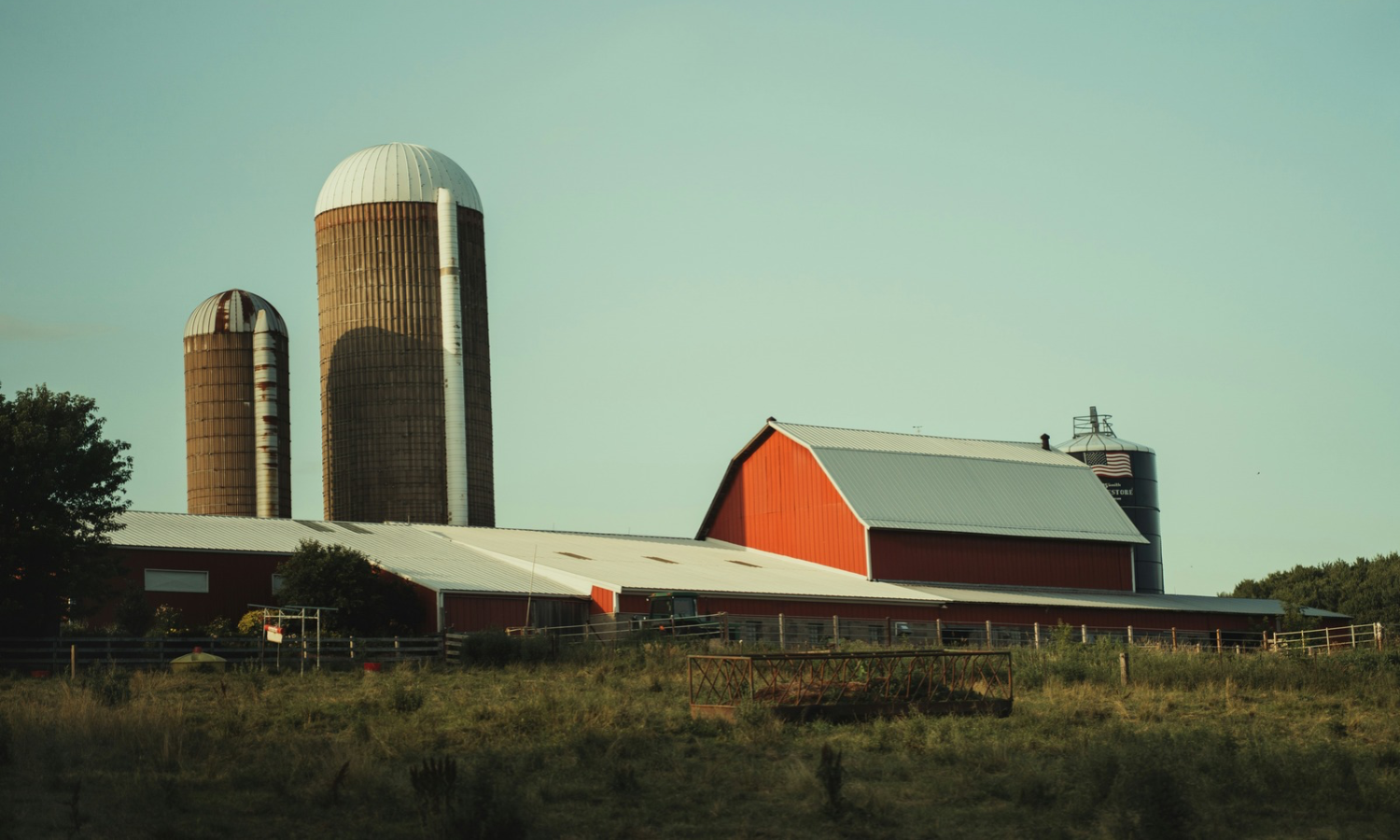
Photo courtesy of Caroline Gunderson, Unsplash