
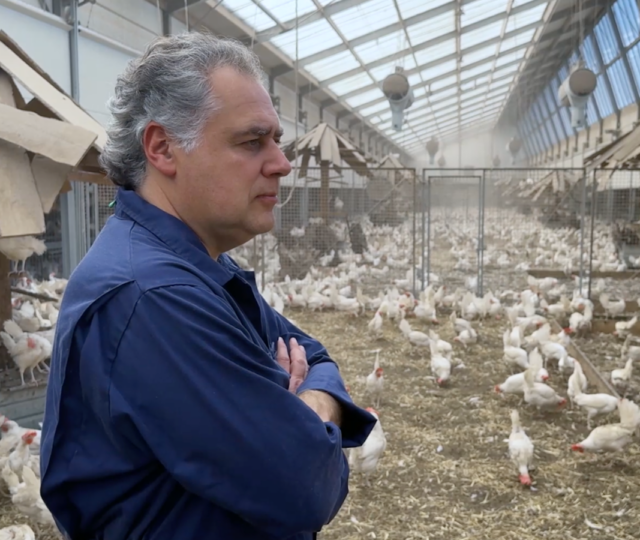


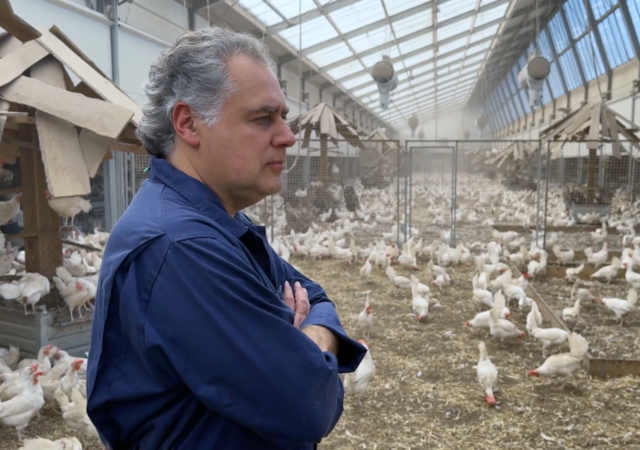
Vegan poultry farmer Ruud Zanders talks to experts around the globe to answer the question: is an animal-free food system possible?
Livestock
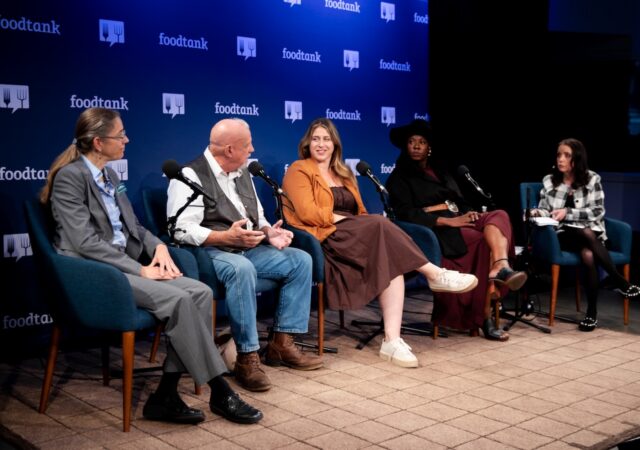
Building Thriving Farms: “Farmers Cannot Carry the Climate Transition Alone”
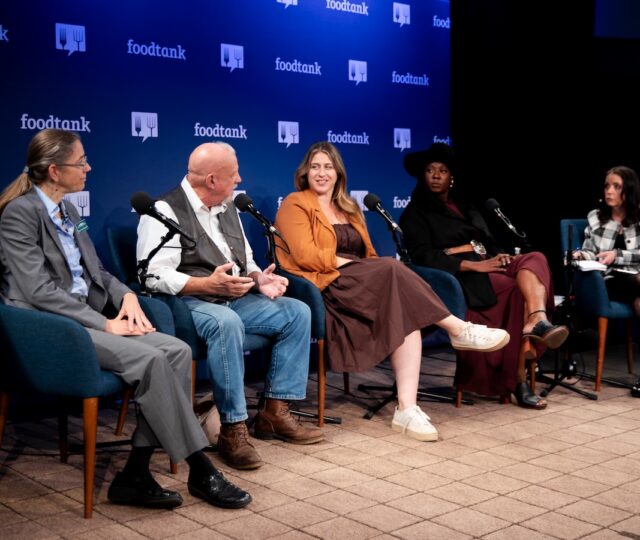
Farmers face mounting economic and climate pressures. At Climate Week NYC, food and agriculture leaders discussed how to build a food system that supports them.
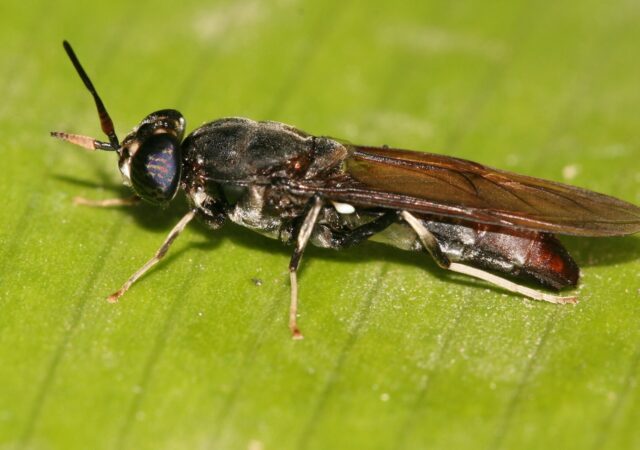
Want Better Food Systems? Let’s Make Friends With Insects
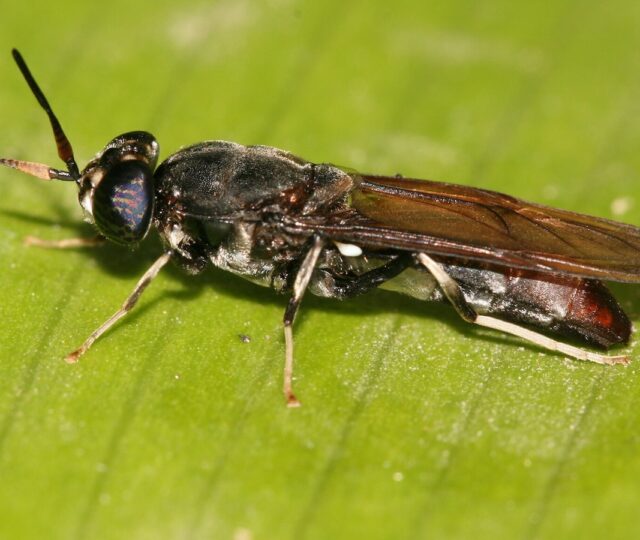
Black soldier flies can be a small but mighty partner in the work to transform food and agriculture systems.
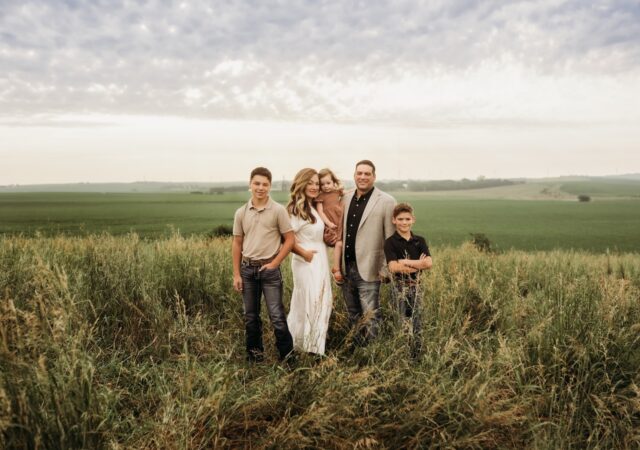
From Risk to Resilience in Nebraska’s Hog Industry
After years of financial risk, a Nebraska farm family finds stability and renewed purpose through a different way of raising hogs.
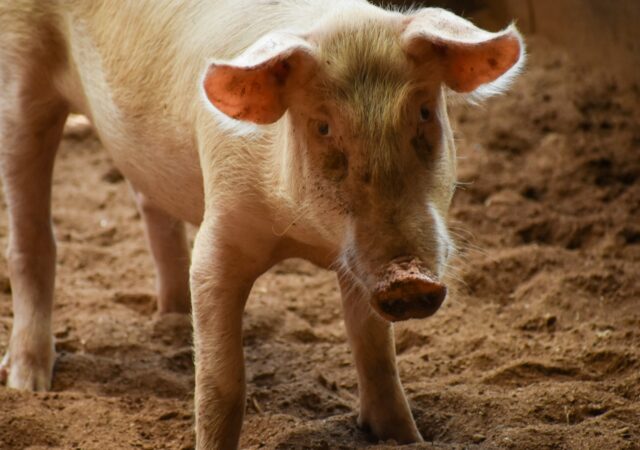
Op-Ed | First We Subsidized Factory Farms. Now We’re Redesigning Animals for Them.
A new report warns that genetically engineered animals will deepen the harms of factory farming—just as the Senate debates the next Farm Bill.
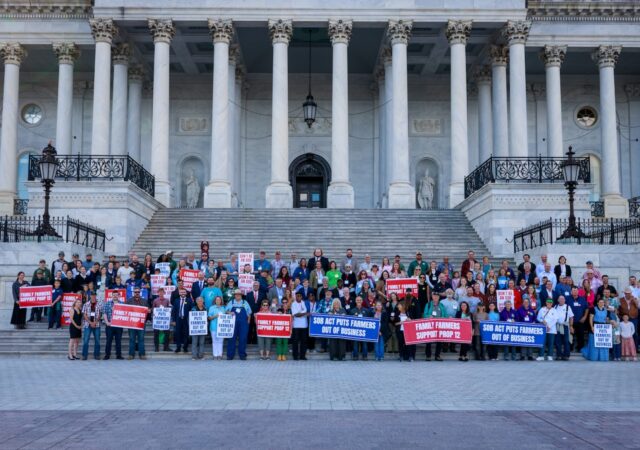
Save Our Bacon Act Draws Opposition in Farm Bill Fight
Advocates say the Save Our Bacon Act will trigger “a race to the bottom” that will hurt farmers and animals.
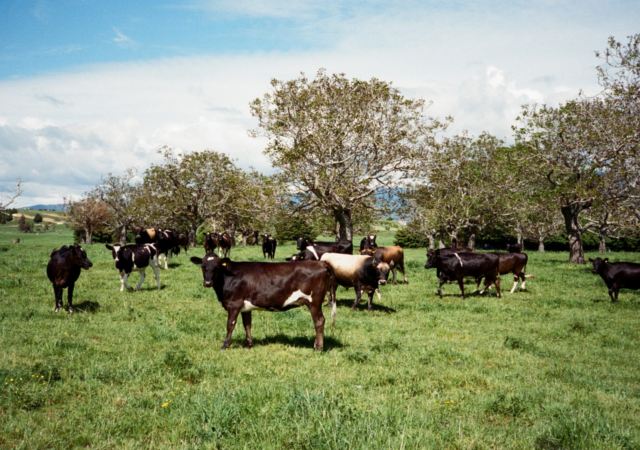
Food Tank Explains: Agroforestry
Agroforestry integrates trees, crops, and livestock into interconnected systems that can benefit farmers, communities, and ecosystems.
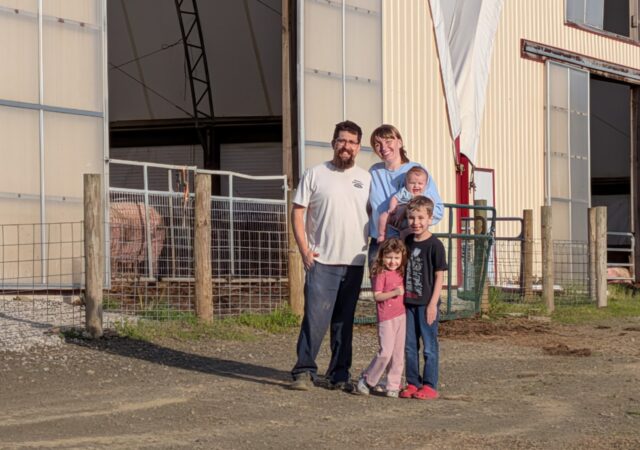
A Farmer’s Dream Takes Root on 22 Acres of Forgotten Christmas Trees
Austin Ehrisman’s father thought he was “a little bit crazy” when started farming on an old Christmas tree farm.
Food Tank’s Weekly News Roundup: SNAP Recipients Sue USDA, Researchers Tackle Avian Flu, and Fertilizer Prices Soar
SNAP recipients are pushing back against resrictions, the Iran war sends fertilizer prices soaring, and researchers are taking steps to curb avian flu.
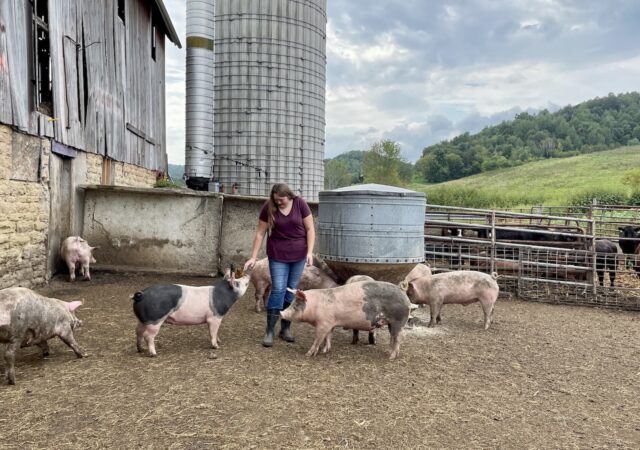
Hog Farming Against the Odds in Rural Wisconsin
At 28, third generation farmer Lindsay Larson is pioneering a different way of raising hogs.

Book Excerpt | Meat: How the Next Agricultural Revolution Will Transform Humanity’s Favorite Food―and Our Future
Bruce Friedrich’s new book Meat: How the Next Agricultural Revolution Will Transform Humanity’s Favorite Food―and Our Future argues that plant-based and cultivated meat are humanity’s best hope of mitigating the harms of modern animal agriculture. As a part of making…
The Struggle—and Hope—for the Next Generation of Farmers
“The next generation is looking towards their future and thinking, how am I even going to get started?” says farmer Michelle Arp.
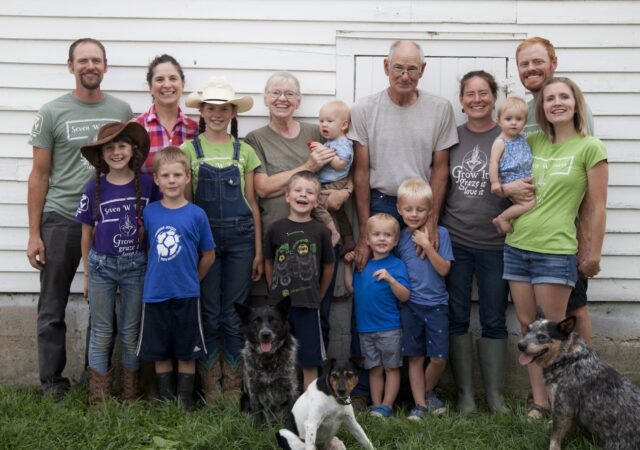
‘We’ve Been Called the Crazy Ones:’ Iowa Farmers Going Against the Norm
The Wilson family fits the typical, idyllic vision of an American family farm: multiple generations working together to continue the family legacy. But “we’re definitely the minority,” says April.

A New Era for Pork: Gene-Edited Pigs Approved for Consumption
The GM hogs are designed to be resistant to PRRS, called “the most economically important viral disease of pigs worldwide.”

Food Tank’s Weekly News Roundup: Meat Returns to Eleven Madison Park, Fires Rage in Europe, and Mexico Cuts Poverty
This week, Eleven Madison Park brings back meat, USDA curbs union rights, wildfires rage in Europe, and U.S. agencies delete climate data.
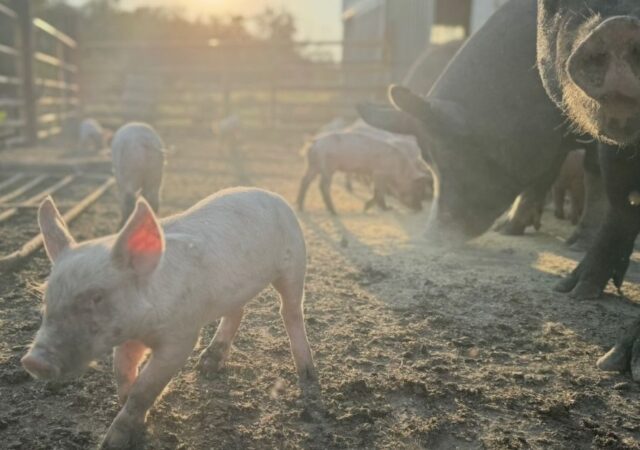
Bringing Back ‘The Old Way’ of Pig Farming
This fourth-generation Iowa farmer is committed to raising pigs “the old way” with room to roam and no antibiotics.
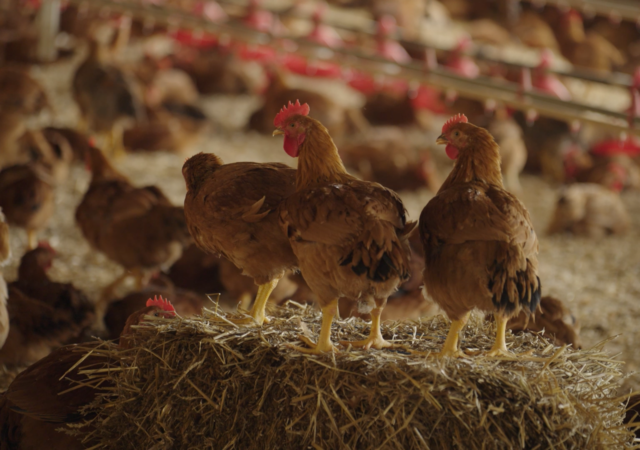
Over 200 Companies Are Part of the Push for Better Chicken Welfare Standards
The Better Chicken Commitment invites poultry producers and food companies to take responsibility for animal welfare.
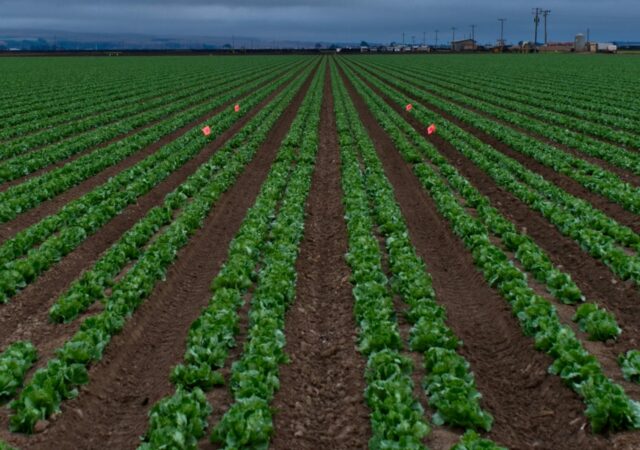
A New Fellowship Is Helping Journalists Navigate the Complexity of Food Systems
At a time when news organizations are under attack, the Center for a Livable Future is preparing the next generation of journalists.
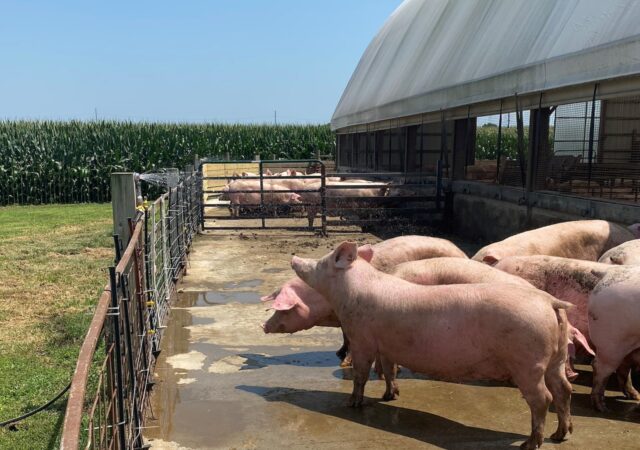
Family Farmer Finds a Connection to Eaters Through Livestock
“Livestock changes the focus of everything,” says third-generation farmer Randy Hutton, Jr. “It completes the loop.”
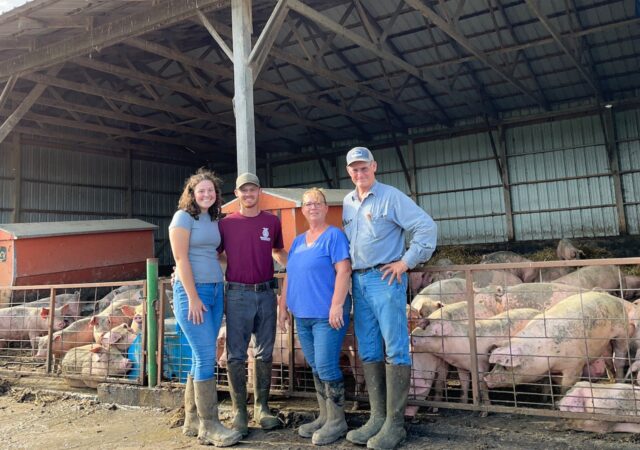
Easy and ‘Modern’ Isn’t Always the Best Way: The Promise of Sustainable, Humane Pig Farming
Kody McCleary, a 24 year old producer, says that maintaining the family farm for the next generation is his number one goal.