
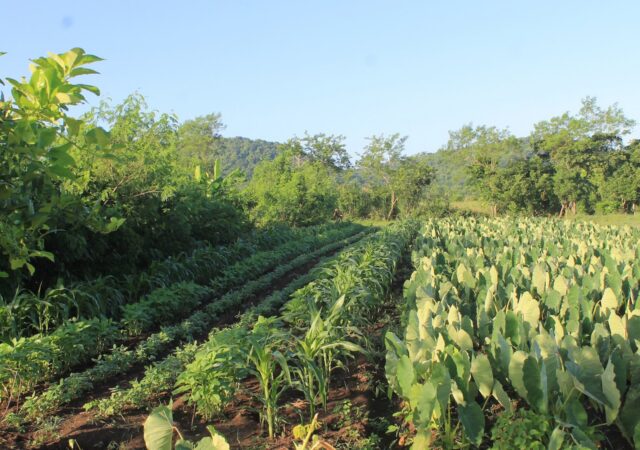
Cuba is confronting the limits of fossil-fuel-dependent agriculture. But agroecology offers a path to resilience.
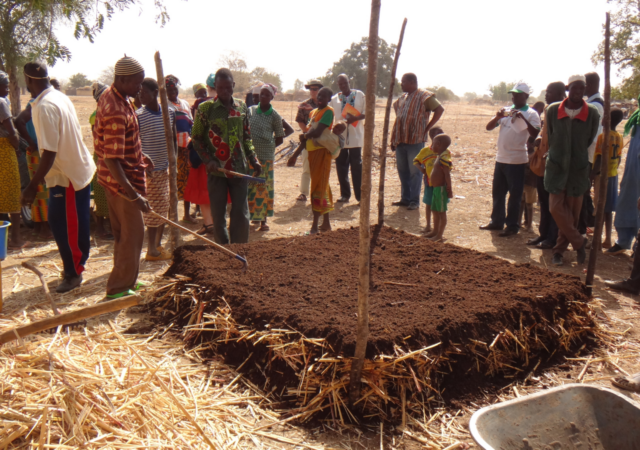
Agroecology Pays Off: Report Highlights Major Gains for Burkina Faso Farmers
In Burkina Faso, farmers using nature-friendly methods are seeing bigger harvests and higher incomes even in areas hit hard by drought, floods, and conflict
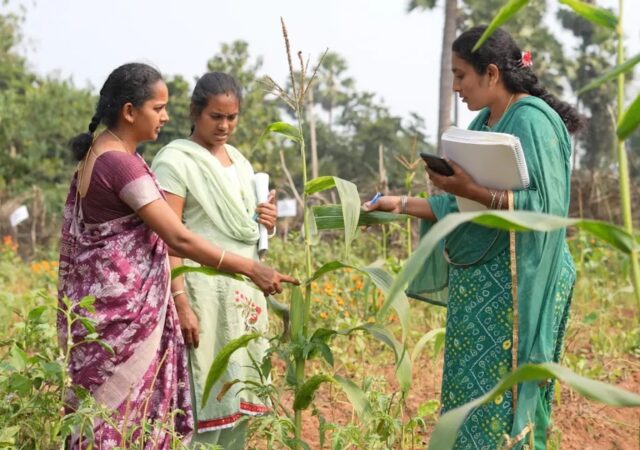
‘Simple But Profound’: Natural Farming Is Changing the Lives of Millions in India
Andhra Pradesh Community Managed Natural Farming received the 2026 Food Planet Prize for leading one of the world’s largest agroecology programs.
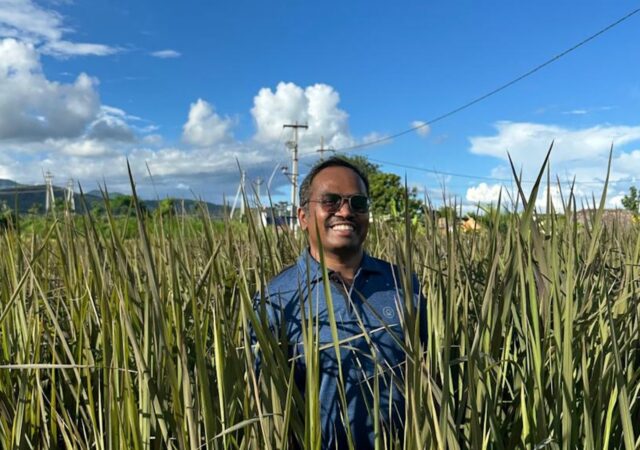
How Transitioning Away from Chemical Fertilizers Pays Off for Farmers
Farmers foregoing chemical inputs are thriving. As fertilizer prices surge, their neighbors are noticing.
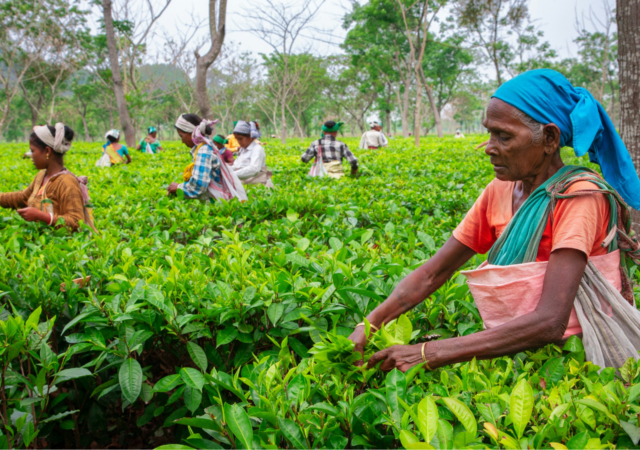
Food Tank Explains: Agroecology
What is agroecology? Food Tank’s primer explores its roots, core principles, and role in building sustainable, just food systems.
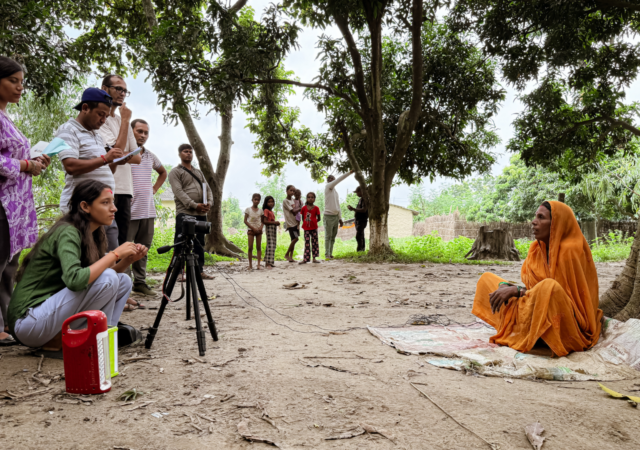
Field to Film Festival Amplifies Indigenous and Rural Youth Voices
The Field to Film Festival shares powerful short films by young people from farming communities, spotlighting women farmers and stories of change in local food systems around the world.
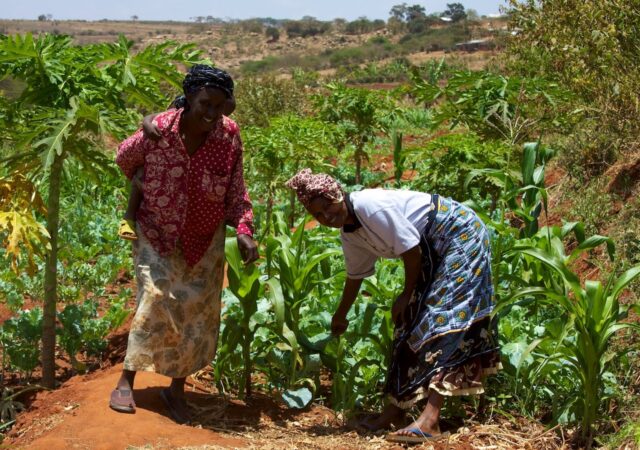
The Local Step that Changed an Entire Country’s Approach to Agroecology
Kenya has celebrated a number of local agroecology wins that can illuminate the path forward for countries around the globe.
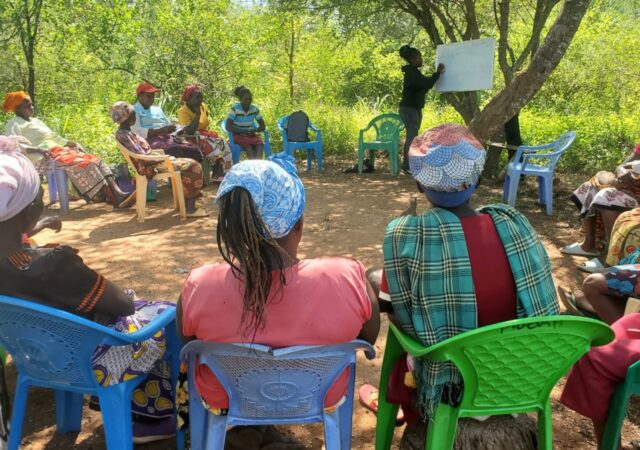
PELUM Kenya Is Advancing a Vision for Climate-Smart Farming
Agroecology “is the future” says Rosinah Mbenya of PELUM Kenya, a network striving to make this a reality.
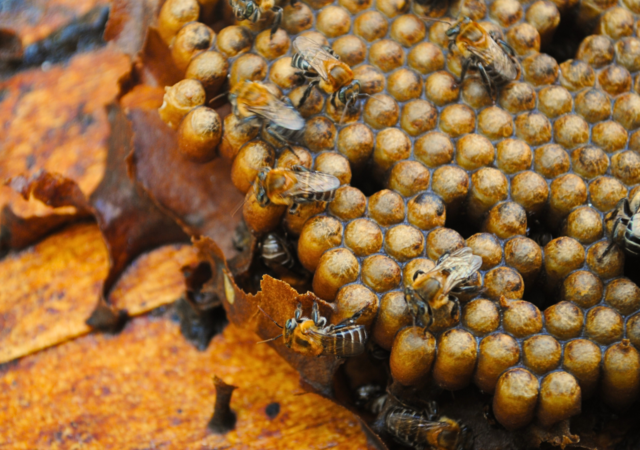
Food Tank’s Weekly News Roundup: Senegal’s Youth Pursue Agriculture, Amazonian Bees Gain Legal Protection, and U.S. Unveils New Dietary Guidelines
This week’s news roundup takes a look at how food systems are changing—from hunger data and dietary guidelines to youth-led farming and shifting food trends.
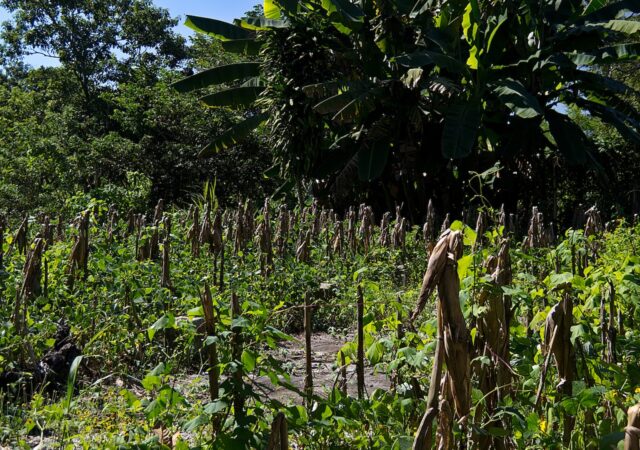
Indigenous Wisdom Offers Path Forward for Global Food Systems Reform
Research with Yucatec Maya farmers demonstrates the importance of intercultural knowledge co-creation in developing regenerative food systems.

Op-Ed | After the Party: Putting Flesh on Food and Climate Commitments
The hard work occurs both before and after global events, in communities and across landscapes.
Food Tank’s Weekly News Roundup: Kenya Protects Seed Sharing, Australia Expands Right to Repair, and SF Takes on Ultra-Processed Foods
From court rulings to climate tech, here are five key developments influencing food systems around the world.
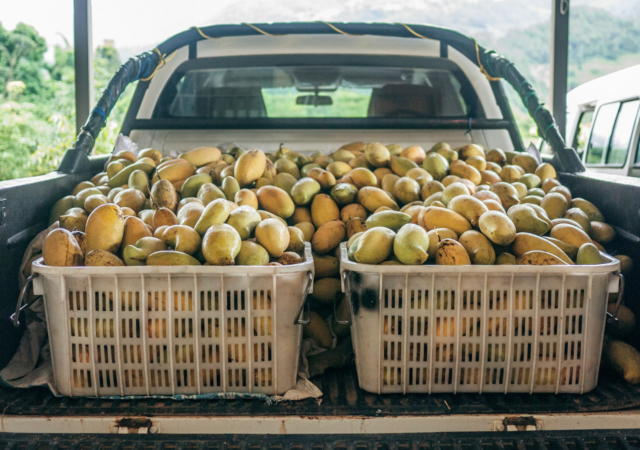
Food Tank’s Weekly News Roundup: COP30 in Brazil, UNHCR Reports on Climate Displacement, and China Resumes U.S. Soybean Imports
From COP30’s climate discussions to new funding for farmers and East Africa’s agroecology commitments, this week marks a turning point for food and climate action.
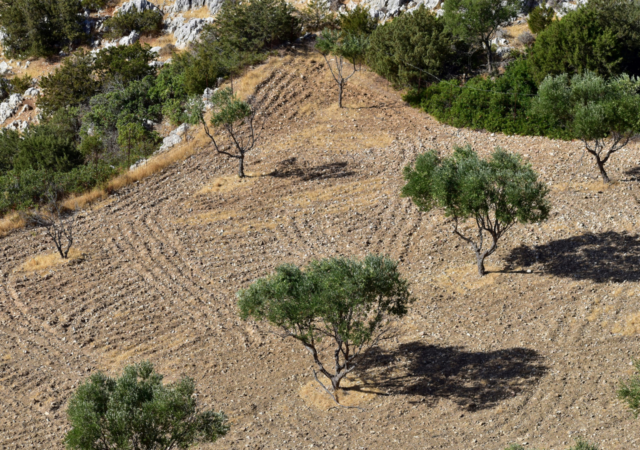
Op-Ed | Food at COP: A Trojan Horse for Climate Action
At COP30, Brazil’s agroecological farmers will serve climate solutions on a plate—showing that food is not the problem, but the path to change.

Putting Food and Farming at the Center of Climate Action: Q&A with Anna Lappé
Food and agriculture systems are increasingly on climate negotiators’ and policy makers’ radar. At COP30, how do we turn that into action?
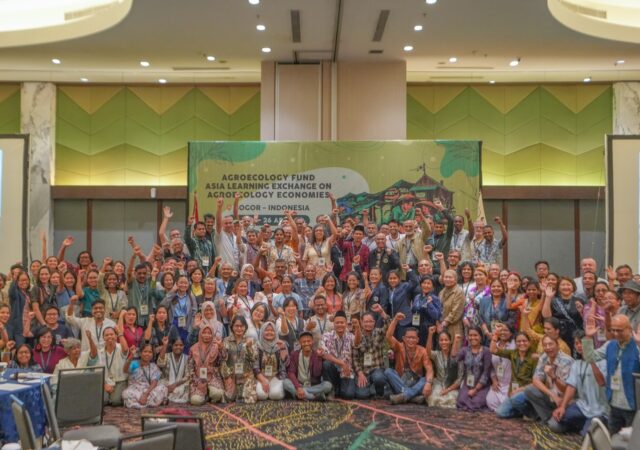
Op-Ed | Asia’s Farmers Root for a Resilient Future
Localized control and collective enterprise can lay the groundwork for an agroecology food economy.
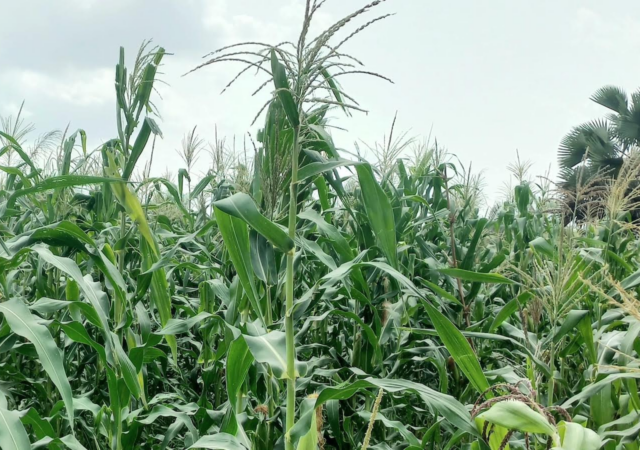
On the Ground with Dani Nierenberg: To Roundup or Not to Roundup
Farmers are experimenting with conservation agriculture and debating the role of fertilizers and herbicides in building resilience.
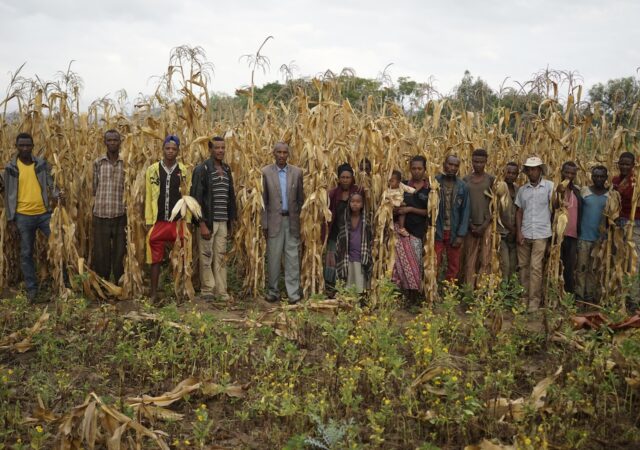
On the Ground with Dani Nierenberg: What Ethiopian Farmers Taught Me About Resilience
Regenerative agriculture means protecting and improving soil health, enhancing biodiversity, creating diverse and nutritious diets, and ensuring economic sustainability for farmers.
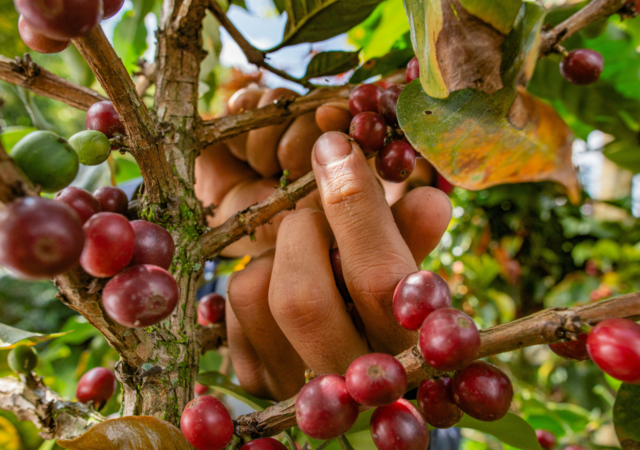
Hunger Is a Choice—Brazil Just Proved It
The U.N. confirms Brazil’s removal from the Hunger Map after lifting millions out of food insecurity in just two years.
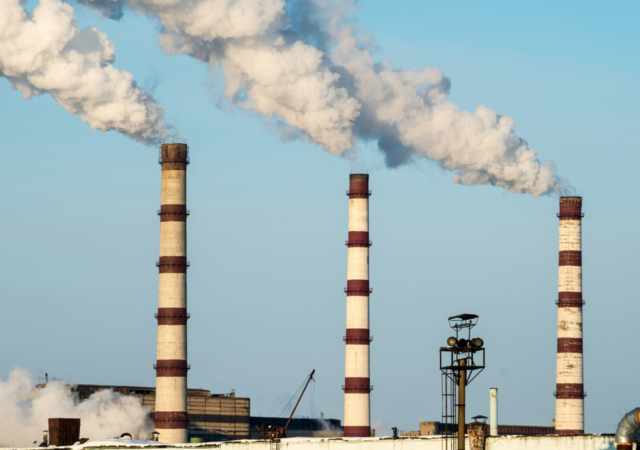
IPES Report Exposes Food System Links to Fossil Fuels and Proposes Solutions
IPES exposes how food systems became the oil and gas industries’ next target—and what to do to break the fossil fuel cycle.