

Centering plates around plant-based proteins allows eaters to tap into a plethora of ancient grains, whole beans, and plants for creatively ambitious and culturally diverse new dishes.
Solutions on Screen: The Power of Documentaries to Spur Food Systems Change
From Wild Hope to Abundance, new documentaries are emerging to spotlight solutions for eaters and the planet.
Op-Ed | The Inflation Reduction Act Invested in Rural America. Now, Those Funds May Be in Jeopardy
The Inflation Reduction Act made a historic investment in agriculture and farming communities, but that funding may be at risk as member of Congress look to subsidize the nation’s largest farms instead.

Fostering Student Empowerment through Noosa’s 2024 Youth-Led Summit
Learn how young leaders in Noosa are driving positive change at the 2024 Custodians of Place – Youth Climate Conference, where they’ll share and celebrate their impactful actions for a sustainable future.
Op-Ed | Climate and Nutrition Can No Longer Be Ships That Pass In the Night
Climate champions may be missing opportunities to act by ignoring the nutrition space.
Open Letter to Event Organizers: NYC Climate Week and the 78th U.N. General Assembly
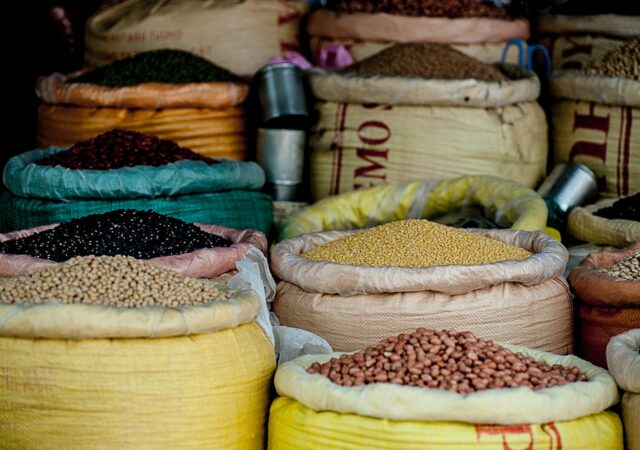
Tiny but mighty, beans can help fix the future. That’s why they must be on the menu—and the agenda—at all events.
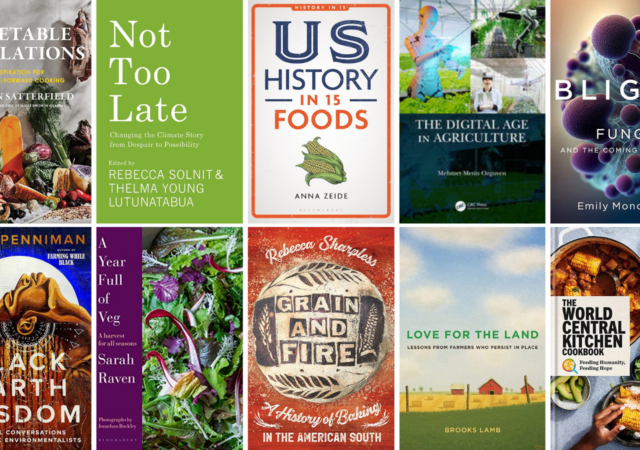
20 Books About Food, Agriculture, and the Environment on Food Tank’s Spring 2023 Reading List
This Spring, be inspired by new recipes, a guidebook for climate action, lessons from the Earth, and much more.
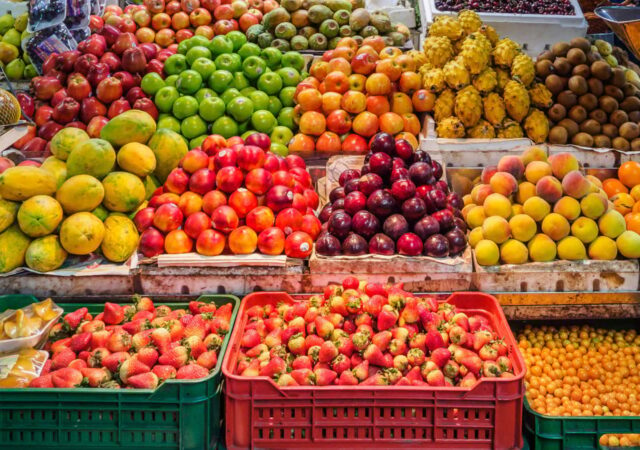
EAT-Lancet 2.0 Commission Revises Guidance for Healthy, Diverse Diets, and Sustainable Food Systems
The EAT-Lancet 2.0 Commission held a press conference to update the public on their forthcoming report, which will include goals for healthy diets and sustainable food systems.
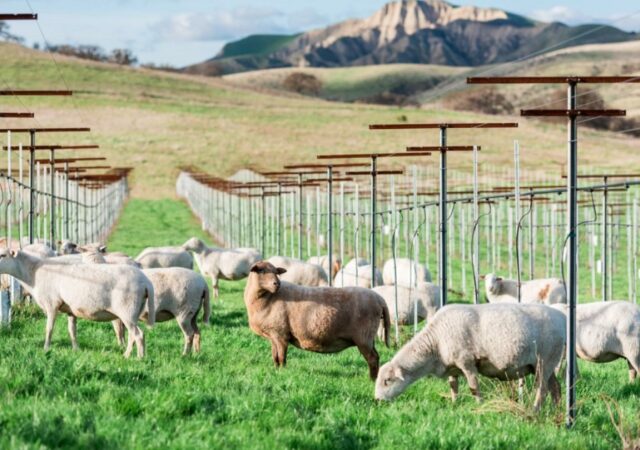
Food System Advocates Should Be Vocal Climate Champions. Here’s How.
Regenerative agriculture is a win-win-win solution that is good for climate mitigation, ecological resilience, and adaptation.
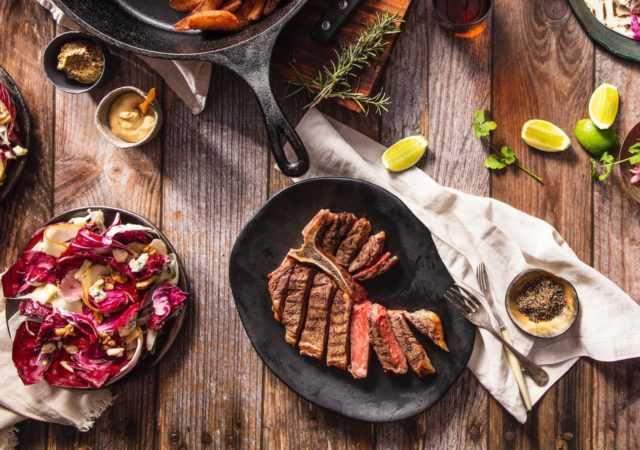
Are Young People Really Eating Less Meat?
Young people are buying and eating more meat than older generations, according to new research from the World Resources Institute.