
Each week, Food Tank is rounding up a few news stories that inspire excitement, infuriation, or curiosity.
SNAP Recipients Push Back Against USDA Waivers
A group of Supplemental Nutrition Assistance Program (SNAP) beneficiaries recently sued the U.S. Department of Agriculture (USDA), claiming that new restrictions “destabilize food access.”
Waivers granted by the USDA allow several states to ban eaters from using their SNAP benefits to purchase foods including soda, candy, and other non-nutritious products.
The first restrictions kicked in for SNAP recipients in Indiana, Iowa, Nebraska, Utah, and West Virginia on January 1 of this year. An additional 17 states received waivers which have already gone into effect or will go into effect later in 2026 or in early 2027. And the Food Research and Action Center (FRAC) reports that all but eight of the remaining states are either working on a waiver request or have submitted one.
FRAC says that at a time when states are already strained by new administrative demands to operate the nutrition program, “adding food restrictions is fiscally irresponsible…while research shows SNAP participants eat no differently than other Americans.” They add, “Policing food choices is ineffective, undermines American values, and worsens food insecurity.”
The plaintiffs in the new lawsuit, who are based in Colorado, Iowa, Nebraska, Tennessee and West Virginia, echo this concern. They say that they or family members rely on restricted foods to manage health conditions including diabetes, allergies, and autism or to get a boost of energy in their daily lives.
According to the lawsuit, the USDA has exceeded its legal authority by approving waivers without conducting “reasoned decision making.” Reuters reports that a spokesperson from the agency responded to a request for comment by stating that the agency doesn’t discuss pending litigation.
Researchers Tackle Avian Flu Transmission
The Foundation for Food & Agriculture Research (FFAR) is taking new steps to help prevent the spread of avian flu in partnership with U.S. universities.
On Tuesday, the Foundation announced that they are partnering with Kansas State University to invest a little more than US$400,000 into the development of a vaccine that will protect cattle and swine from the H5N1 influenza—funds which come from FFAR’s Rapid Outcomes from Agricultural Research program.
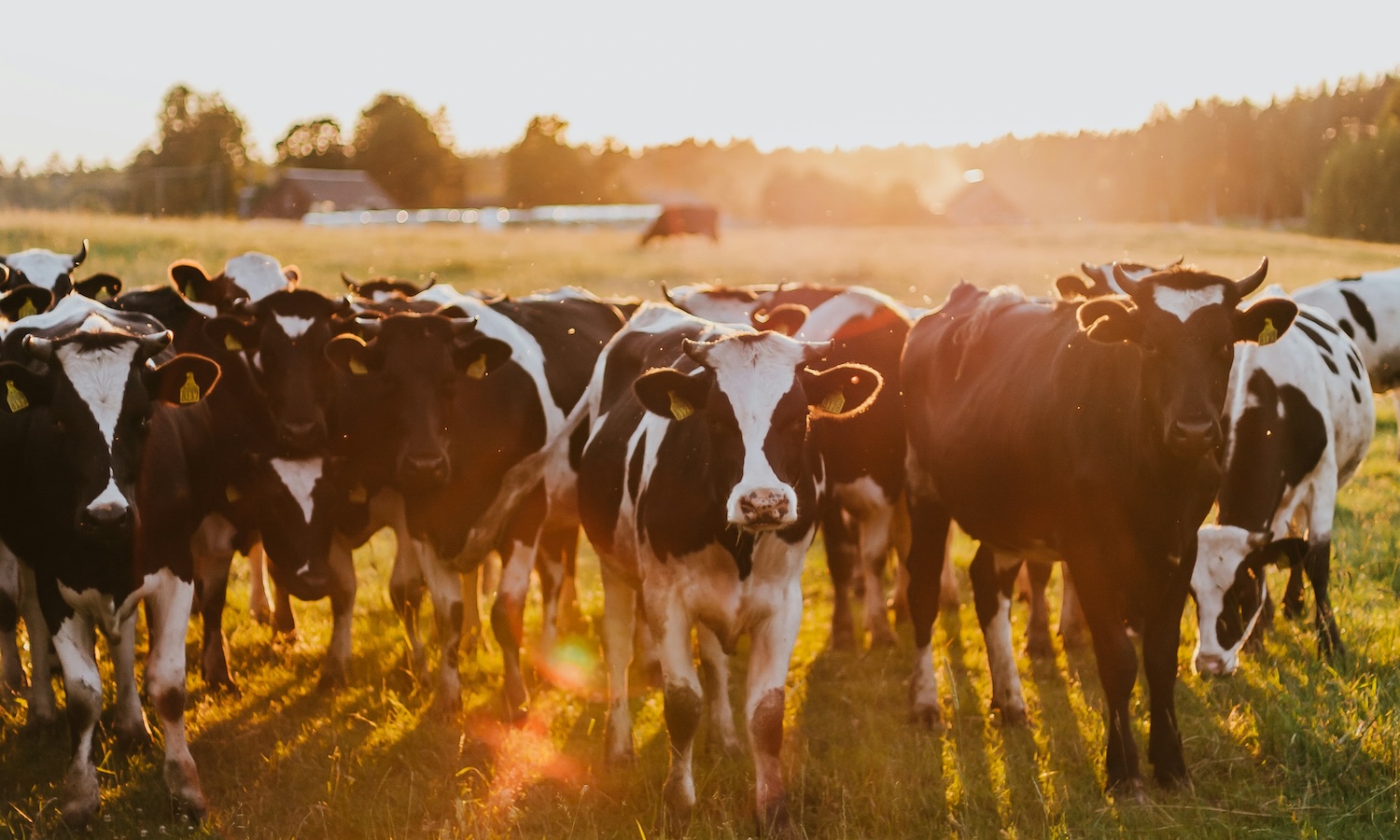
Since March 2024, the U.S. Department of Agriculture has reported more than 1,000 confirmed cases of H5N1 in cattle. And while just one case has been reported in swine, researchers are taking precaution.
FFAR’s Scientific Program Manager says, there are few mitigation tools readily accessible to producers right now and the funding “is crucial to getting cattle and swine producers the tools they urgently need to protect their animals, their livelihoods and the food supply.”
Last week, FFAR also announced that they and the University of Tennessee are investing US$300,000 to explore the efficacy of ultraviolet (UV) technology in inactivating the virus. They hope the technology will offer producers another rapid-response tool to protect their operations when nearby infections are identified and airborne transmission is suspected.
South Africa Cracks Down on Illegal Fishing
This week, the country’s Department of Forestry, Fisheries and the Environment (DFEE) reported that four fishing vessels were intercepted and fined.
The DFEE states that the Chinese fishing vessels were operating illegally, without authorization in South Africa’s Exclusive Economic Zone and territorial waters.
Willie Aucamp, the country’s Minister of Forestry, Fisheries and the Environment stated, “South Africa will not tolerate the unlawful use of its maritime zones” and they “remain resolute in safeguarding our marine resources.”
In a statement, Andrew de Blocq, the Democratic Alliance (DA) Spokesperson for Forestry, Fisheries and the Environment said, “Illegal, unreported and unregulated fishing remains one of the most serious threats to the sustainability of South Africa’s marine resources. It undermines fisheries management, threatens marine ecosystems, and jeopardises the livelihoods of South Africans who depend on the ocean economy for jobs, food security, and cultural heritage.”
One study in Science Advances estimates that the annual losses due to illegal, unreported, and unregulated fishing globally could be as high as US$50 billion.
The action in South Africa comes just one month after Japan also took steps to crack down on unauthorized vessels, when they seized a Chinese fishing boat in the country’s waters.
Fertilizer Prices Are Soaring
The war in Iran is cutting off a critical source of fertilizer supplies for the world’s farmers.
More than 30 percent of world nitrogen fertilizer exports, as well as fertilizer components like sulfur, pass through the Strait of Hormuz—the only sea passage from the Persian Gulf to the open ocean — which has been effectively closed.
Raj Patel, a research professor at the University of Texas at Austin, calls the Strait a “fertilizer chokepoint,” and he believes that disruptions can amplify global food pressures significantly and “faster than people think.”
As of last week ammonia prices in the Middle East were up 92 percent compared with a year earlier and urea prices were up 70 percent, according to Joe Brusuelas, Chief economist at RSM. In the United States, ammonia prices are 41 percent higher than they were last and urea prices are 21 percent higher.
Veronica Nigh, an economist at The Fertilizer Institute explains that most countries don’t hold reserves of fertilizer, calling it a “just-in-time business model.” This can make nations vulnerable to sudden supply chain disruptions.
Patel says that sub-Saharan Africa, where over 90 percent of fertilizer is imported from outside the continent, “is the most vulnerable region.” And Carlos Mera, Head of Agri Commodity Market Research at Rabobank, says, “The poorest and most densely populated regions are likely to suffer the most.” Like Patel, Mera worries about sub-Saharan Africa, as well as South and Southeast Asia.
In some parts of the world, like the Philippines, farmers are being encouraged by the government to adopt organic fertilizers and biofertilizers as a cost-saving alternative. And while Zero Carbon Analytics states that the disruption to fertilizer supply chains due to wars in Iran and Ukraine could create “an incentive to limit reliance on synthetic fertilizer,” some food systems advocates warn that this requires a long-term transition plan and solutions are needed to address the acute crisis we’re facing today.
Acute Hunger Could Reach Record High in 2026
The World Food Programme (WFP) warns that if the conflict continues to destabilize the global economy, the number of people facing acute levels of hunger in the world could reach record numbers this year.
Drawing from a new analysis, the United Nations agency estimates that almost 45 million more people could experience acute food insecurity or worse if the conflict doesn’t end and oil prices remain above US$100 per barrel.
WFP explains that when the Ukraine war began in 2022, food prices spiked quickly but took a while to come down. And even though the last few weeks have seen new disruptions in a global energy hub rather than a breadbasket region, the potential impact could be similar.
Carl Skau, Deputy Executive Director for the World Food Program says, “If this conflict continues, it will send shockwaves across the globe, and families who already cannot afford their next meal will be hit the hardest. Without an adequately funded humanitarian response, it could spell catastrophe for millions already on the edge.”
Articles like the one you just read are made possible through the generosity of Food Tank members. Can we please count on you to be part of our growing movement? Become a member today by clicking here.
Photo courtesy of Yogesh Pedamkar, Unsplash