
Food Systems for the Future (FSF) Institute wants to make grocery retail work for all communities. According to the organization’s Founder and CEO Ambassador Ertharin Cousin, municipally-supported grocery stores may be part of the solution to the food affordability crisis.
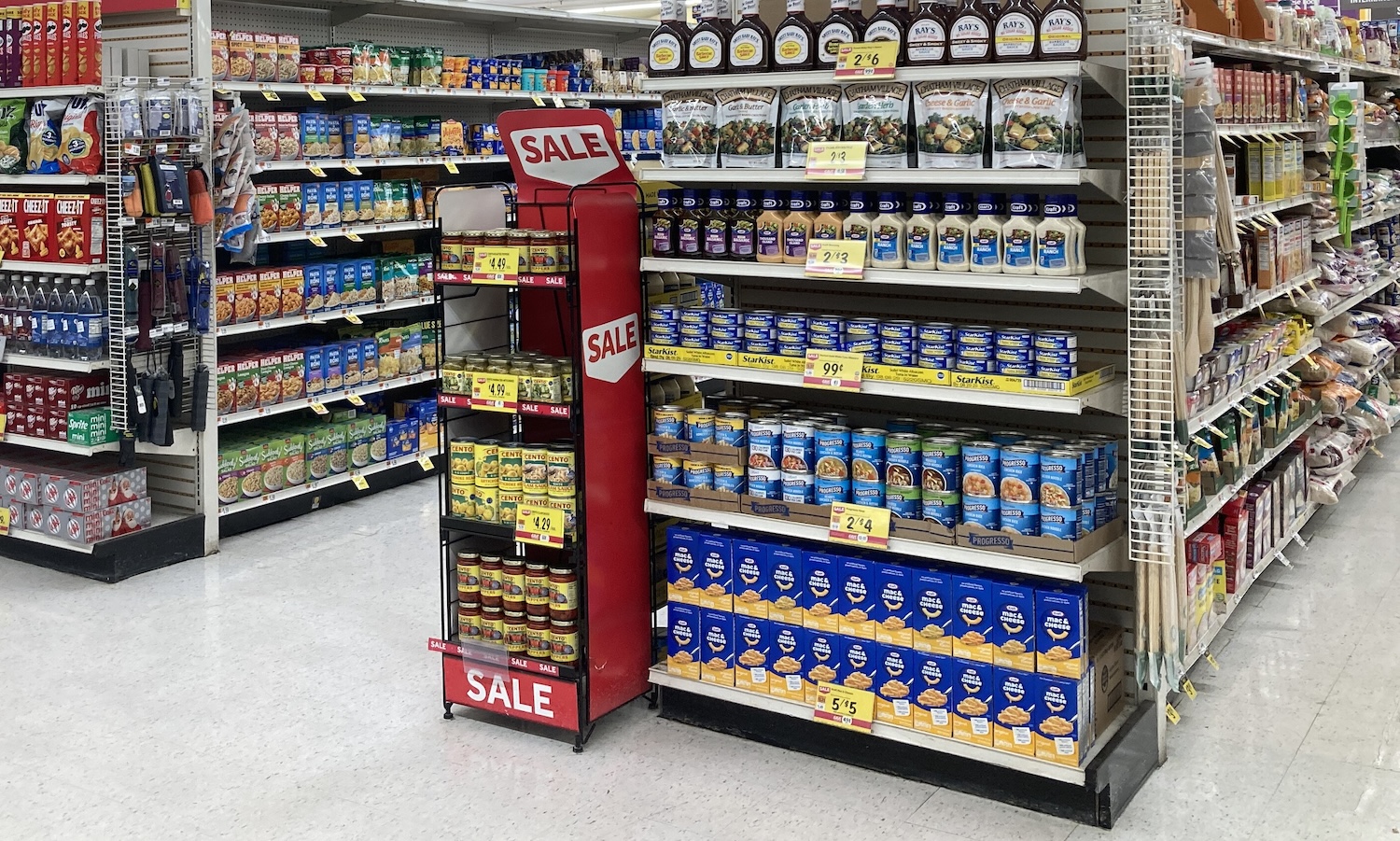
Publicly-owned or -supported grocery stores are designed to lower the cost of groceries, helping to make them more affordable for communities. The approach has attracted growing attention following the announcement of New York City’s plan to open a publicly-supported grocery store in each borough. States from Kansas to Illinois have also explored the solution, but success has varied, with some businesses struggling to break even.
“What happens if the economics don’t work before the store opens?” Cousin asks, arguing that some areas have overlooked or failed to focus on establishing a sustainable framework. “If you insert subsidies, but you don’t insert the operational capacity that is necessary…the stores close.”
In Atlanta, Georgia, however, Cousin sees a model that seems to be working. Azalea Fresh Market is not municipally-owned; rather the store is publicly supported and independently operated.
The local government provided the capital needed to construct the store along with guarantees for low-interest operating capital to stock the shelves and hire employees. They also identified a strong operator that knows how to run a successful grocery store and has a relationship with the community. “That has potential for longevity,” Cousin tells Food Tank.
Grocery prices in the United States are up by nearly 33 percent compared to 2019, according to data from the U.S. Department of Agriculture. At the same time, healthcare, transportation, and housing costs are rising while millions of households have lost access to the Supplemental Nutrition Assistance Program.
It’s not just low-income families who are struggling, says Cousin, who sees more people making difficult choices about what to put in their shopping cart. “We also have economically distressed households that are what we often call the working poor and up to middle-income households…who are now beginning to feel the pinch of affordability.”
Government-supported food retailers may not be a silver bullet to solve this, but they are “part of the answer,” Cousin explains.
FSF Institute recently held its second Grocery Retail for All Summit to bring together leaders from across sectors to identify practical, scalable solutions already working in communities across the country. Cousin believes that it’s important to build a “platform of information” so that retailers, nonprofits, and governments “are not constantly reinventing the wheel.” Needs may be context-specific, she says, but lessons can be adapted to create retail models that endure.
Ultimately, Cousin tells Food Tank, “it’s not the opening of the grocery store that should be celebrated. It’s the resilience and longevity of the operation of that grocery store.”
Listen to the full conversation with Ertharin Cousin on “Food Talk with Dani Nierenberg” to hear more about the growing food crisis, alternative models of food retail, and legislative solutions for food access.
Articles like the one you just read are made possible through the generosity of Food Tank members. Can we please count on you to be part of our growing movement? Become a member today by clicking here.
Photo courtesy of Wikimedia Commons